 In many respects, the events unfolding in the St. Louis suburb of Ferguson have been a flashpoint for many buried social issues. Following the death of 18-year-old Michael Brown at the hands of a Ferguson officer, the African-American community in Ferguson almost immediately called for justice for what they called a “racial killing.” This in turn began a series of violent clashes between police and protesters that are still ongoing.
Whether it be police brutality, the militarization of civilian police or even race relations, the death of 18-year-old Michael Brown seems to have brought a plethora of unintended problems to the surface of the average American’s mind.
With all of the contradictory statements made by Brown’s family, their lawyers, witnessing bystanders, Ferguson Police Department and their lawyers, it appears as though a grand jury will ultimately decide who will be held accountable for Brown’s death.
Though there is little consensus about the supposed facts of the Brown case, one can come to a consensus on the fact that most of the problems occurring in Ferguson could have been prevented by the implementation of compact police cameras, otherwise known as “body cameras.”
Body cameras have been in the works of local and state police forces for years. The idea first came about around five years ago as a startup solution to conflicting accounts of confrontations between officers and disgruntled citizens.
The cameras also have a proven track record when used in tests. Rialto, a small town in California, was one of the first to implement and test the equipment. After one year of use by the force of 70 officers, citizen complaints dropped by 89 percent, and that the use of force by officers dropped by over 50 percent according to a study done my top officials within the Rialto Police Department.
So, if these cameras are as helpful at solving citizen-police disputes, why haven’t they been implemented everywhere?
The simple answer is cost, particularity with data storage. While the cameras themselves cost a mere $300 apiece, local and state governments are having trouble finding money in their budgets to build the online storage infrastructure that is required in order to store all of the evidence, which is held by the departments for years or, in some cases, decades.
Another problem may be in the implementation of the cameras themselves. In Rialto, officers were given the opportunity to decide whether or not to use the cameras at their own discretion – a condition that many find to be a deal-breaker when it comes to the actual implementation of such technology in other local and state forces. If the officer in question is given a choice to use the camera, many claim that abuse and the use of excessive force would be just as prevalent as if the cameras had not been implemented at all, and just at a greater cost to local and state taxpayers.
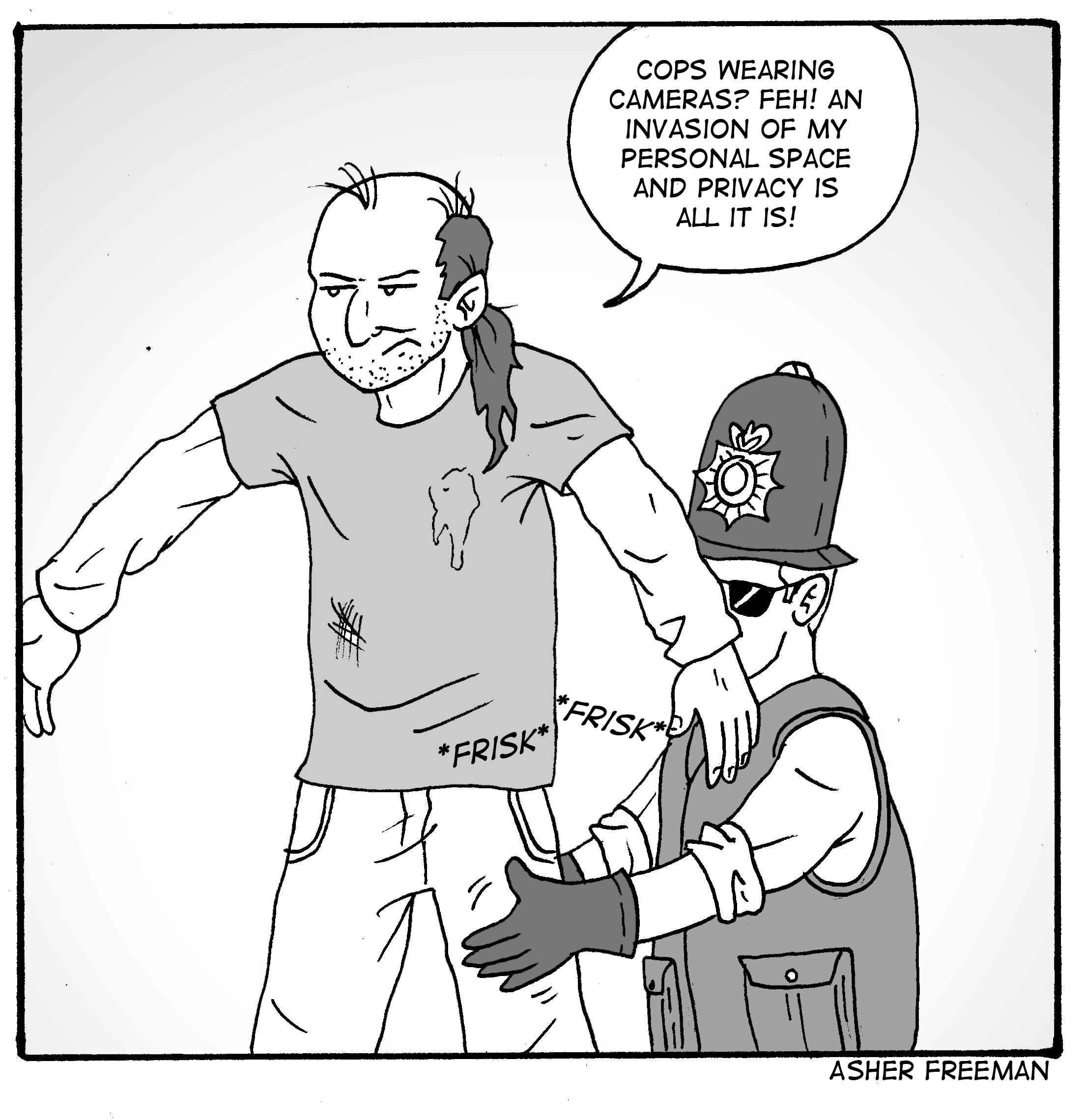
The most obvious solution to this problem is the implementation of tamper-free cameras that are programmed to record all officer activities during the course of a watch. Though this would assure police top brass and average citizens alike that officers are not abusing their authority, it does raise concerns of invasion of privacy. The issue of privacy is a dicey one at best, and is something police departments would prefer to keep a distance from.
Despite these slight problems that would need to be addressed in the event that the cameras were implemented, it appears as though the cameras do more good than overall harm for both the officer and the citizen alike.
We may not know exactly what happened in Ferguson with the case of Michael Brown. What we do know, though, is that if Ferguson had implemented this widely-available technology into its police force, it would have been much easier for the proper authorities to label this as a racial crime or simply a misunderstanding, which ultimately may have kept the Ferguson protests from occurring in the first place.
Create your free online surveys with SurveyMonkey , the world’s leading questionnaire tool.