By Lexie Rodenbaugh | Arts & Life Writer
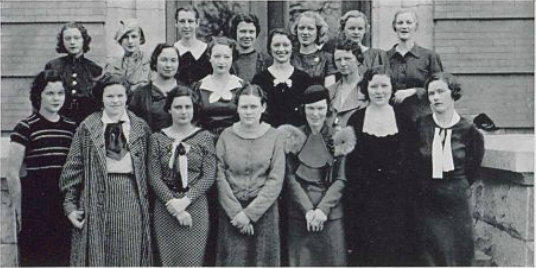
When Baylor University first introduced Home Economics courses in 1934, few could have predicted that the lessons in sewing, textiles and homemaking would one day grow into one of the most forward-thinking academic programs on campus.
What began as a small vocational track has evolved into a space where creativity, commerce and conscience intertwine — the fashion and apparel programs within the Department of Human Sciences and Design.
Dr. Lorynn Divita, an associate professor who joined Baylor in 2002, said the program’s beginnings were simple but intentional.
“Baylor’s fashion program … changed its emphasis in the 1970s from educating future homemakers to educating future professionals, so that is when the apparel merchandising and apparel design programs as we know them were started,” Divita said.
That shift reflected both a cultural change and an academic one. As American fashion became increasingly accessible to consumers at every economic level, Baylor’s curriculum followed suit.
“Once it became its own major in the 1970s, it became more popular as fashion became more accessible to consumers at different economic levels in departments,” Divita said.

From that point on, students were not only learning to construct garments but also to analyze markets, forecast trends and think critically about the global apparel industry.
Divita said what has long set Baylor’s program apart from other fashion schools or merchandising programs in Texas is its ethical foundation.
“We emphasize professional ethics based on a Christian worldview, and we try to remind our students that it is their responsibility to make the right decision even when pressured to do otherwise,” Divita said.
For decades, that mindset has guided the program through waves of change — from its earliest design studios to today’s technology-driven labs. One of the biggest milestones, Divita said, came with the introduction of computer technology in design in 1988.
“The biggest milestone in the program was the computerization of the apparel design process,” Divita said. “Prior to that, all design was done by hand. Now students use Optitex and other computer-aided design programs to design their collections.”
As the industry evolved, so did the curriculum.
“We refine our degree plan regularly to keep up with changes in the industry,” Divita said. “Some courses change their focus while others are replaced with new courses. For example, under Dr. Sally Burkett in the 1980s, merchandising students had to take sewing classes and even a tailoring course, but as the job market changed, that curriculum changed and we added fashion business-related courses. We got rid of the Home Economics courses and added fashion courses. In the more recent past, we added a digital retailing course.”
That constant refinement has helped Baylor remain relevant amid shifting markets, emerging technologies and the rise of sustainability in apparel. Students leave not just with creative skills but with a professional awareness rooted in Baylor’s values.
Dr. Judy Lusk, Professor Emeratus, began at Baylor in 1986 and has also seen firsthand how Baylor’s campus fashion culture has changed alongside the program in the past 40 years.
“When I came in the 1980s, all of the students were dressed in Ralph Lauren, but students are not as dressy anymore,” Lusk said.
Divita echoed that statement, saying students got more casual as the years went on.
“I remember when Nike running shorts and crew neck tee shirts first became popular with students, and freshmen were going to get their first pair of Nike shorts at Baylor,” Divita said. “Now, over 20 years later, Nike shorts are still popular and everyone has been wearing them since they were little kids.”
While major fashion movements across the country have made waves in places like New York and Los Angeles, Divita said Baylor’s student body has traditionally followed trends rather than set them.
“Those looks didn’t really show up on the Baylor campus, since the average Baylor student isn’t very fashion-forward; they are more of a fashion follower,” Divita said.
Even so, each decade has had its own defining moment of style on campus.
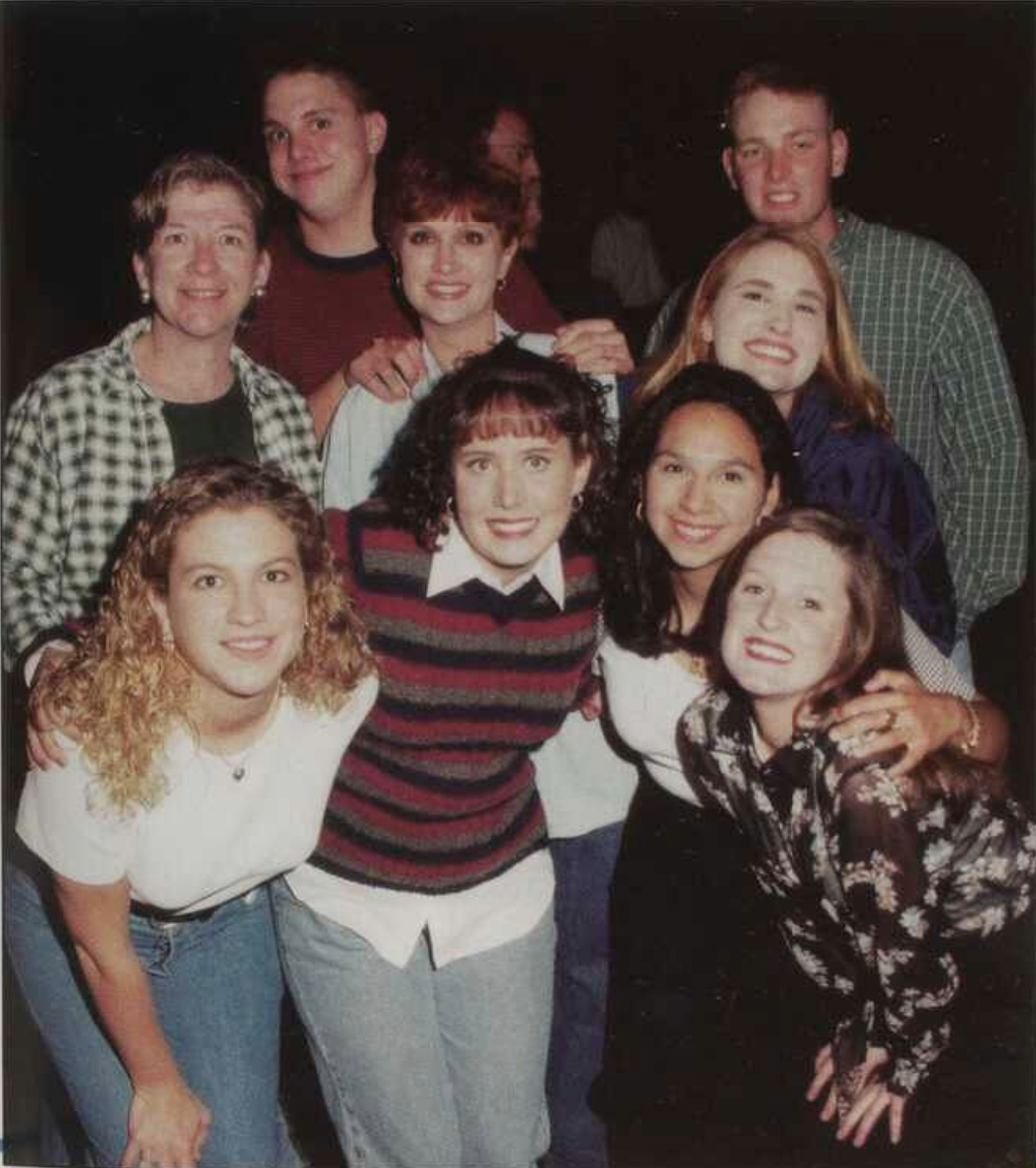
“In the 1990s, all the women wore bows in their hair every day, and the name ‘Baylor Betty Bow Head’ was used to describe this kind of girl,” Divita said.
The nickname became part of the university’s pop-culture lore, capturing a generation’s sense of identity and pride through something as small as a ribbon.
While the fashion at Baylor drastically changed and progressed with the times, particularly with the addition of social media, the fashion apparel major kept up with the trends, Dr. Jay Yoo, associate professor of apparel merchandising, said.
“Today stands out as perhaps the most expressive era — students mix comfort with brand-conscious style through athleisure, vintage finds, and sustainable fashion that reflect both lifestyle and values,” Yoo said. “Current Baylor fashion blends athleisure, vintage and Texas flair to express comfort, pride and personal identity. Western accents, cowboy boots and denim remain rooted in Baylor’s Texas heritage, now reimagined through global streetwear and designer influences.”
Long before the social-media era, Baylor fashion students were showcasing their creativity through fashion shows. Lusk said that before she arrived, those student-produced events served as milestones of skill and craftsmanship.
“There were fashion shows done by the fashion students, and the yearbook would show the fashion shows,” Lusk said. “The fashion shows were not especially fashionable in the designs the students created; it was more of an opportunity to show off their skills. Today, students are far more creative.”
That evolution — from early showcases to today’s highly produced runway events — mirrors the larger growth of the program itself. As Baylor modernized, so did its approach to teaching fashion, embracing new media, digital design and global perspectives. Yet its Southern roots and values have continued to shape both its classroom culture and its campus style.
“It’s common to see cowboy boots with designer sneakers, vintage thrift mixed with luxury brands, and casual comfort elevated by accessories and Baylor colors,” Yoo said. “Fashion at Baylor blends tradition, individuality and Southern flair, a reflection of both where students come from and who they are becoming.”
Ninety years after its beginning, Baylor’s fashion program remains a blend of tradition and innovation — a place where students learn to design not just with creativity, but with conviction. Through every change in hemlines, software and social trends, Divita said the program’s core purpose has held steady: to prepare professionals who lead with both skill and integrity.