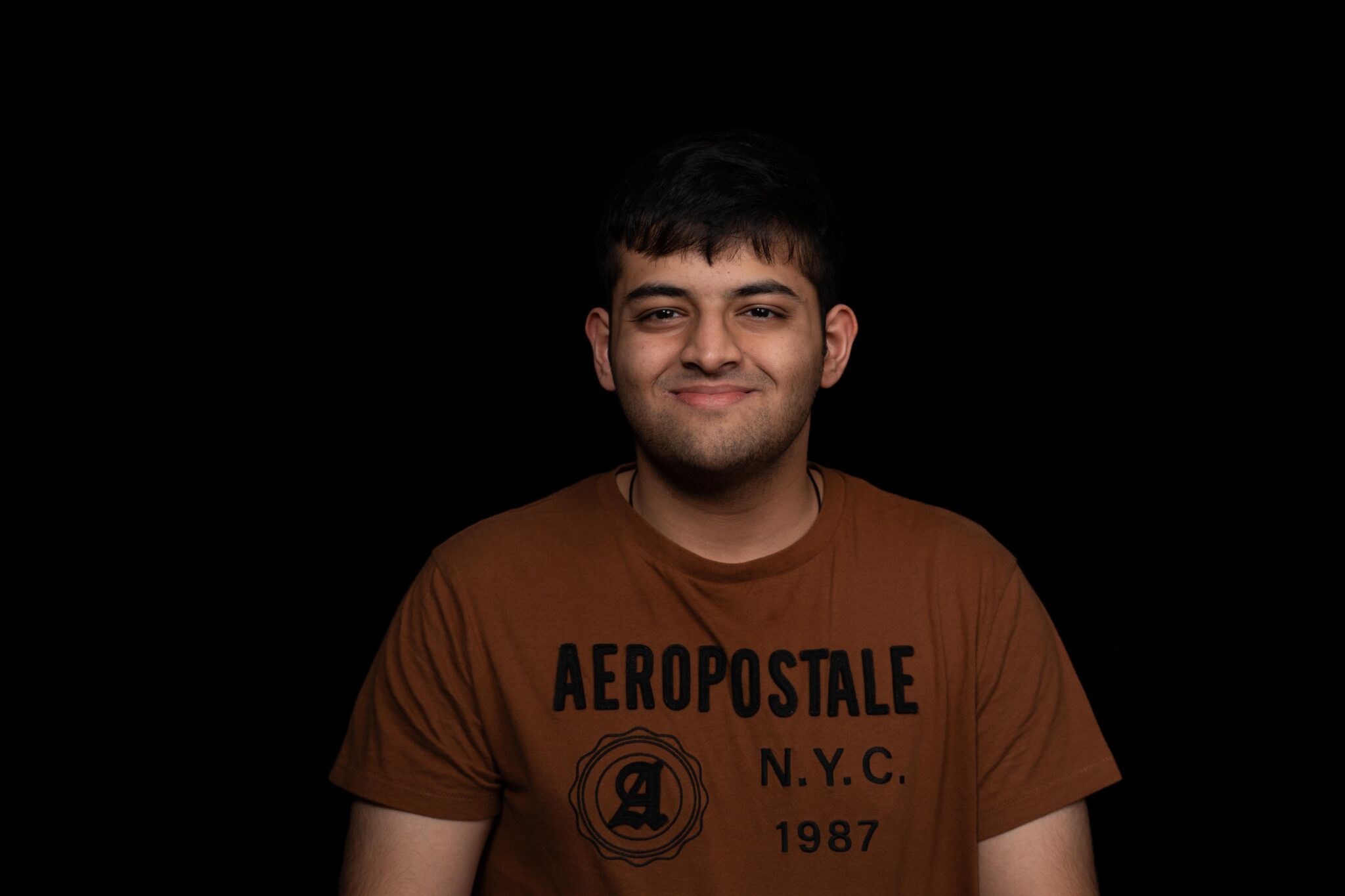
By Aarah Sardesai | Intern
College students today are the most optimized generation in history. We have apps to track our sleep, steps and study habits. We’ve turned our hobbies into side hustles and our friendships into networking opportunities. But in this race to be high performers, we’ve lost the ability to simply exist. We are suffering from a lack of time, and it’s burning us out before we even get our diplomas.
We need to reclaim our lost art of being useless.
To be clear, I don’t mean neglecting things that truly matter. I mean engaging in activities that have absolutely no return on investment. No resume padding, no monetization, no certificate to add on LinkedIn. Just a pure, untouched waste of time. As the philosopher Bertrand Russell once said: “The time you enjoy wasting is not wasted time.”
We convinced ourselves that every waking hour we have must be productive. If we are reading, it should be a self-help book. If we are walking, we should listen to an educational podcast at double speed. Even our rest has become aggressive. We biohack our own speed to make sure that we can grind harder tomorrow.
But this hyper-optimization forces us to ask a heavy question: What actually makes us human?
If we cram our lives into a bunch of inputs and outputs, optimizing our calorie intake, streamlining our social interactions and measuring our worth through daily deliverables, how are we different from the computer algorithms and machines we use? Computers are designed to be efficient. They don’t daydream, they don’t wander and they don’t create just for the sake of creating.
When we strip away the space we have to be spontaneous, flawed and unproductive, we strip away the very thing that makes us human.
We forget that to live is to make a mess of things once in a while. English poet Alexander Pope famously wrote, “to err is human,” but in our quest for a flawless, perfectly scheduled existence, we make mistakes and feel like a failure
If we don’t give ourselves the grace to fail, wander and be beautifully imperfect, we aren’t really living like humans; we’re just acting like the very computers we created.
The answer to this mechanical existence isn’t another time-management app. The answer is simple uselessness.
It’s sitting on a branch and staring at the sky without looking at your phone. It’s drawing a picture that looks terrible and then throwing it away because the joy was in the scribbling, not the masterpiece. It’s having a two-hour conversation with your friend about nothing at all, without thinking about how you can “leverage” this relationship later.
When we allow ourselves to be useless, we’re going against the idea that the value of us as living beings is tied to our output, our bank accounts or our GPA. We give our brains a chance to rest, and more importantly, we give our minds a chance to catch up to our bodies. We remind ourselves that we are human beings, not human doings.
So, let’s make a promise to be useless at least once a day.
Put away the planner, turn off the screen and do something that is incredibly pointless. Reclaim your right to be inefficient. Your future, well-rested and truly human self will be grateful for it.