By Giselle Lee | Staff Writer
Food often serves as a comfort for students: whether it’s a cure for their homesickness, a bad day and even a celebratory ritual after completing a hard assignment or exam. But food also bridges people and helps them build deeper connections.
At Baylor, opportunities for students to learn about culture through food occur both on and off campus. For Dallas freshman Vivian Green, her greatest memories with food preserve family history and tradition, including a family trip to visit her great-grandmother in Harlingen.
“[My grandmother] made us her spaghetti and homemade bread using a recipe passed down through the family,” Green said. “Because her family immigrated to America from Italy, the food felt like a direct connection to our heritage, and it was something I looked forward to every single trip.”
Green said food has been essential in shaping her family’s culture by linking heritage and identity in a tangible manner.
“Today, some of the girls in the family have their own signature favorite that they make and bring to big gatherings like Christmas, keeping that shared history alive,” Green said. “Passing down recipes gives a family or community a way to hold onto where they came from and pass that identity on to the next generation.”
Albany, New York, sophomore Georgina Asante said her Ghanaian culture upholds dignity through food, emphasizing treating others like family and making sure people feel safe and welcome.
“I think food shapes culture by the shared familiarity people of the cultural group share through food,” Asante said. “We all might have different ways of preparing a food, but at the end of the day we’re using the same ingredients cultivated from the same place.”
Glendora, California, sophomore Micah Lam said food is a catalyst for creating “unforgettable memories” that may be pivotal in cultivating unique cultural perspectives.
”Love is shown through food in the ways that people order a ton of food and pay for it, so that their family or guests can enjoy the food and not need to worry about it,” Lam said. “To me, the biggest benefit of getting to know someone new through sharing a meal is the ability to initiate intentional conversation with each other through a space where you have something in common and without phones.”
Lam said that, aside from growing up with homemade dumpling-making nights with his family, certain programs at Baylor have shown him the impact a good meal can have on building familiarity with other students on campus.
“One experience I have had at Baylor is through the Crane Scholars Program,” Lam said. “We emphasize relationship-building through sharing meals at the table … [which] helps us to learn so much more about a person and their background. Through this, our own community is strengthened by the fact that people have built deeper relationships with others.”
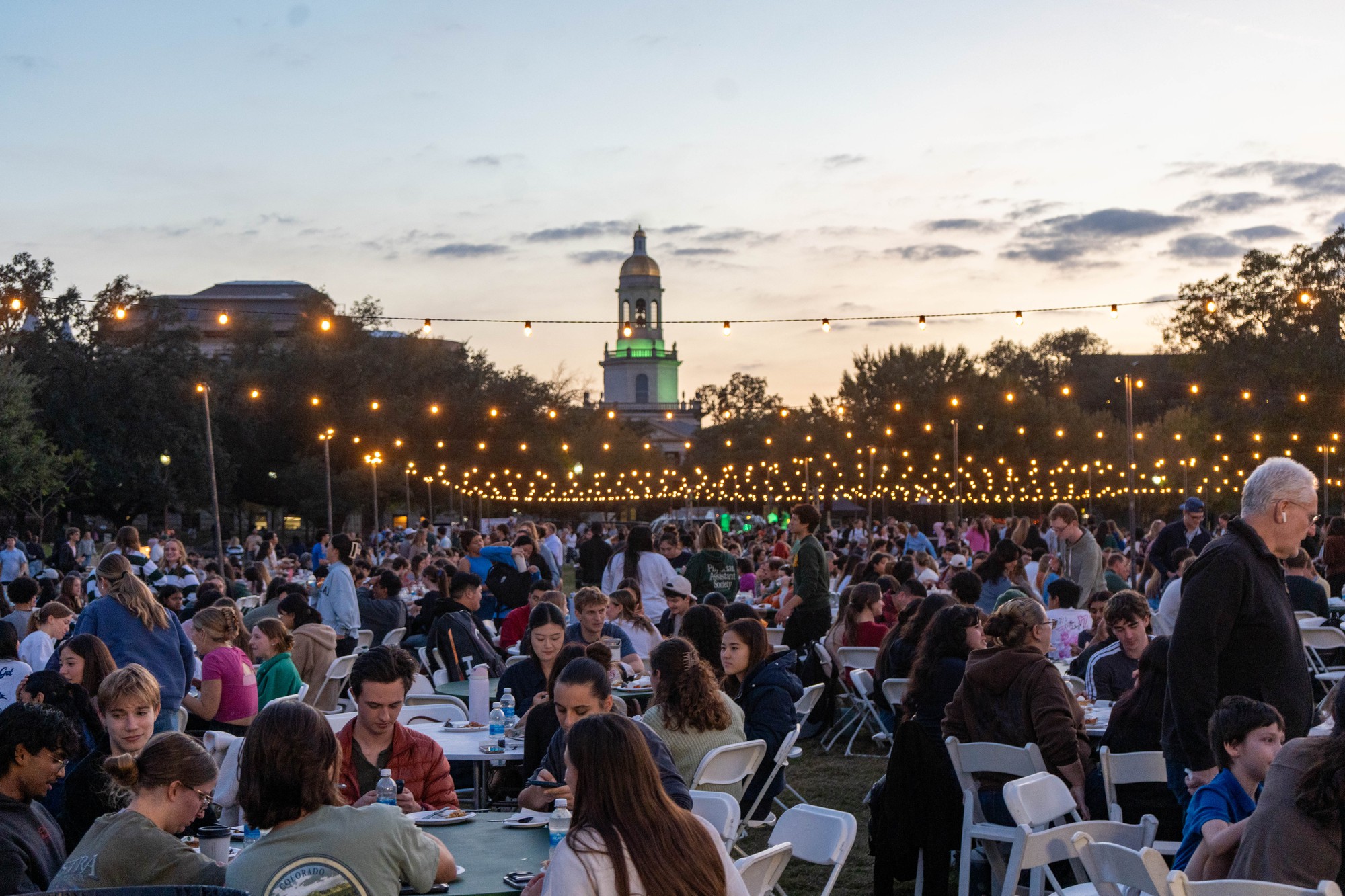
Asante said Baylor should encourage more intentional engagement with the Baylor community behind the meal itself, which can be done through programs such as All-University Thanksgiving, allowing students to “slow down” and be present with others.
“Meal times in other cultures are a time of appreciating the food, the cook and the people you share it with,” Asante said. “Oftentimes as students we lose sight of that by rushing meals, getting meals to go and not taking the time to sit and eat with one another.”
Green urged students not only to learn about other cultures, but to participate actively in community gatherings to gain a “better idea of how to build traditions” at Baylor.
“We can look at what actually shaped those traditions in the first place, such as shared recipes, specific events or just the history behind why a meal matters to someone,” Green said. “I don’t think [culture] should be pushed on people just for the sake of it. Sharing culture works better when people actually want to learn and interact, rather than feeling like it’s an obligation.”