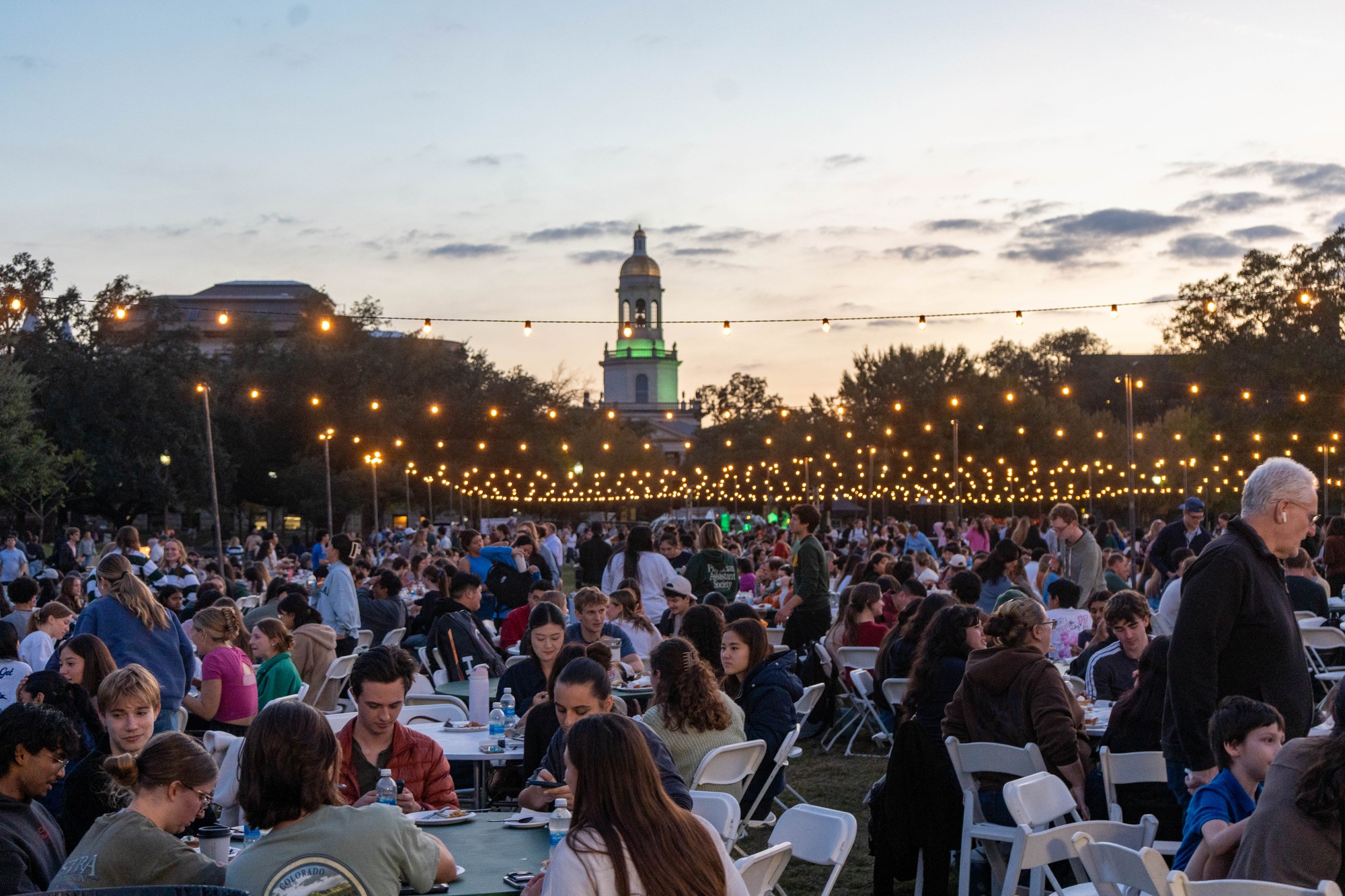
By Reagan Hunter | Reporter
For many students, Thanksgiving means going home, cooking, eating around the dinner table and enjoying rest from the busy school season with family. But for international students, the holiday can look a little different.
Whether it is celebrating and doing a Friendsgiving or incorporating traditions from their home countries, international students have found their own ways to celebrate Thanksgiving while also staying connected to their cultures.
Baylor’s Center for Global Engagement supports international students on campus.
Ancón, Panama, junior Veronica Yepes, a Center for Global Engagement ambassador who was born in Caracas, Venezuela, said Thanksgiving was not part of her childhood traditions. Instead, November in Panama features national celebrations, including its separation from Colombia.
“There’s a lot of parades and people go to the beach and stuff like that,” Yepes said.
Since coming to Baylor, Yepes has celebrated Thanksgiving differently. After going back home her freshman year, she began spending the holiday with her cousin in Houston.
“We usually do like a little Thanksgiving dinner,” Yepes said. “Yes, we have a turkey, but like that’s about it. It’s just kind of like food that we would normally eat.”
Even without all the traditional Thanksgiving foods, Yepes said the holiday gives her a chance to slow down and appreciate everything she’s experienced while studying abroad.
“I really do try to take a moment to reflect and realize what I’m grateful for,” Yepes said.
When asked what Panamanian tradition she would like to see at Baylor, Yepes said she would like to see the country’s parades, known for their music, dancing and traditional outfits.
Kazakhstan junior Rustambek Aidarkhan said Thanksgiving was something he mainly knew about through American movies before attending Baylor.
“Thanksgiving always remained very distant from us, very American I would say,” Aidarkhan said.
Although Aidarkhan will not be able to travel home for the holiday, he has found a way to celebrate Thanksgiving through the friends he has made.
“We just did our second Friendsgiving, but I truly consider it to be thanksgiving,” Aidarkhan said. “It’s as American as it gets.”
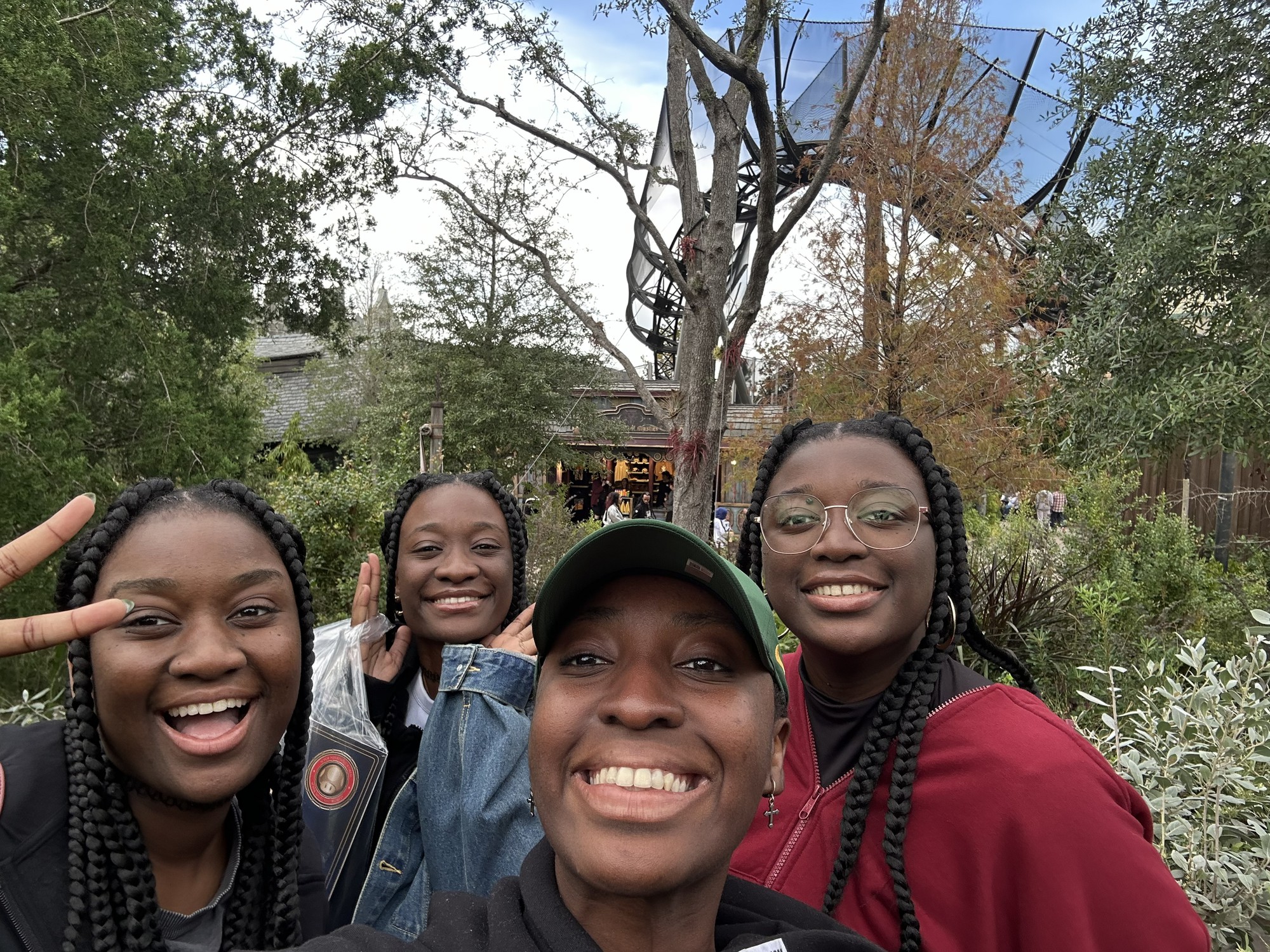
Fort Worth senior Marie-Claude Mutomb, another Center for Global Engagement ambassador grew up in the Lubumbashi, the Democratic Republic of Congo.
“I want to say that the biggest holiday back home, and my favorite, is Christmas, because beyond my faith, it’s an occasion to spend time with your loved ones,” Mutomb said.
Although Thanksgiving was not celebrated in her home country, Mutomb said she noticed the similarities between the two holidays after moving to the U.S.
“It reminds me of Christmas in some ways, as it brings people together, and it is also a time I take to reflect on everything I am grateful for,” Mutomb said.
Her Thanksgiving plans change each year, depending on her family’s schedule. This year, she plans to spend the holiday with her sisters and her best friend’s family, while also taking a break before finals.
Mutomb said being away from home can be difficult, especially during the holidays, but the relationships and friends she has made have helped her.
“Some of the people I’ve met here have helped make Texas a second home for me, which makes me feel less homesick,” Mutomb said.
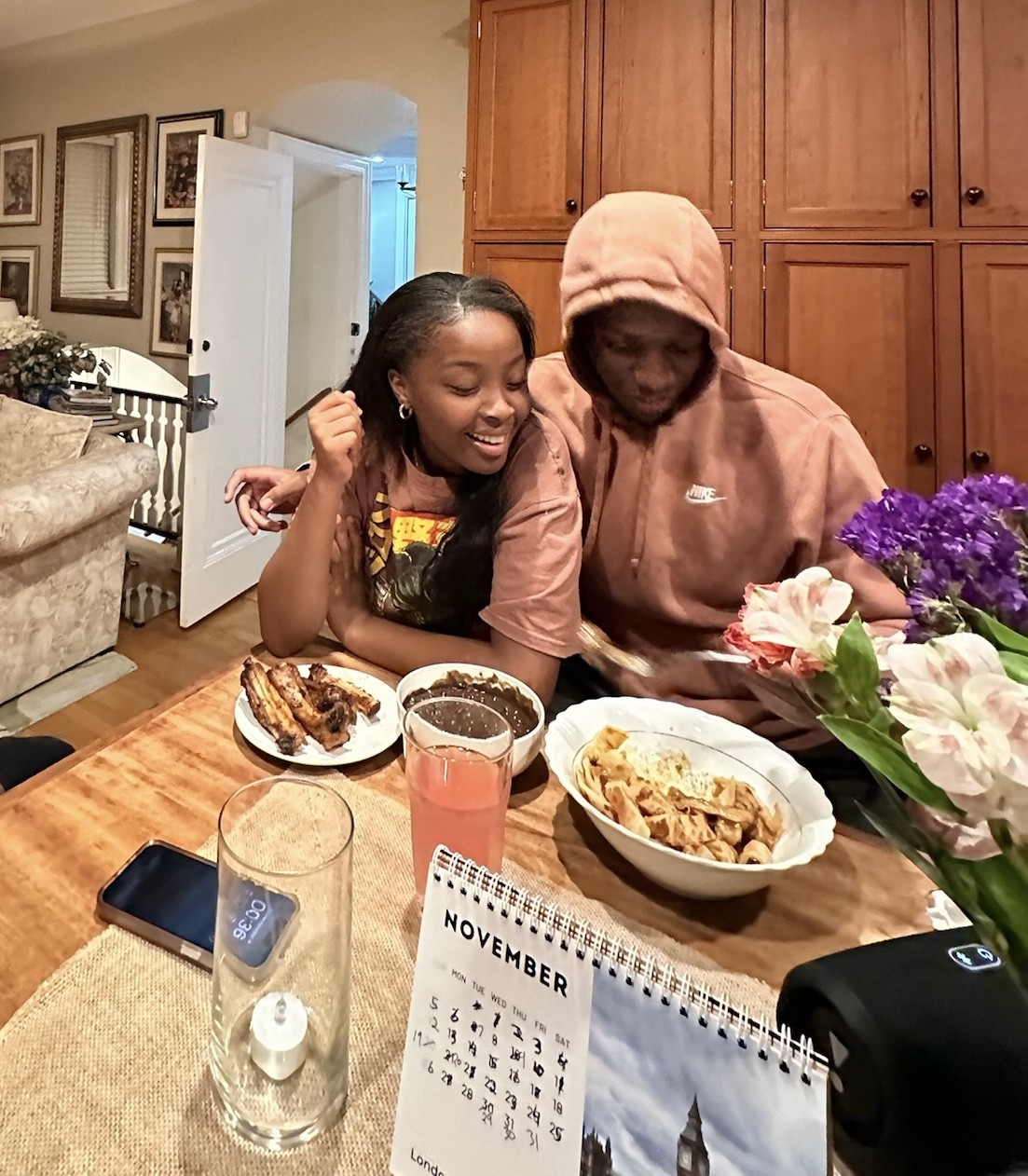
Uganda senior Star Kakonge said she has always thought Thanksgiving had a special meaning, even before she fully experienced the American holiday.
“In Uganda, Thanksgiving isn’t tied to one day on the calendar,” Kakonge said. “It is a celebration we hold to honor someone in our family, usually an elder who has reached their 90s or someone who has hit a major milestone.”
After moving to the United States, Kakonge began celebrating American Thanksgiving with family and friends in Washington, D.C., where the holiday includes foods from her culture.
“For many of us, it is one of the few opportunities we have to sit around the same table after months apart to share home-cooked chapati and samosas instead of the traditional turkey and stuffing,” Kakonge said.
While being far from Uganda can be challenging, Kakonge said that finding community at Baylor has made the distance easier.
“For me, Students of East Africa makes Baylor feel like home every single day,” Kakonge said.
For many international students, finding community at Baylor means connecting with others who share similar backgrounds. Student organizations help them build friendships, celebrate their cultures and feel more at home.
“What began as a community of people sharing a connection to a region has become so much more,” Kakonge said.
While each student celebrates Thanksgiving differently, they all value the people who have helped make a new place feel like home.
“The shared meals, movie nights, spontaneous visits, shared laughter and memories we’ve made this semester are what I am most grateful for this Thanksgiving,” Kakonge said.