By Tolga Sahin | Staff Writer
The proposed Safeguard American Voter Eligibility Act has been in Senate limbo since March 17. If passed, it will create obstacles on voting day.
The SAFE Act, which the House passed in February and the Senate has debated since March 17, would require documentary proof of U.S. citizenship to register to vote and photo identification to cast a ballot in federal elections to deter noncitizen voting.
Dr. Patrick Flavin, chair of the political science department, said evidence does not support the bill’s underlying assumption that noncitizen voting is widespread.
“I don’t think there’s much evidence at all to support the claims [President Donald Trump] makes about elections being stolen or about noncitizens voting en masse,” Flavin said. “The evidence just isn’t there.”
Flavin said that constitutionally, the president has no power over the conduct of federal elections, and authority rests with Congress and the states.
Those in favor say that the bill is a common-sense measure to secure elections. A Harvard poll of 1,999 registered voters found that 71% support the legislation.
College Station senior and Baylor College Republicans President Lindsay Flanigan said the legislation has broad bipartisan appeal among voters.
“I think most Republicans, and a fair amount of modern Democrats, are in favor of voter ID laws,” Flanagan said. “I don’t think that is anything radical in the least.”
The SAVE America Act, however, would require documentary proof of citizenship — such as a passport or birth certificate — to register to vote.
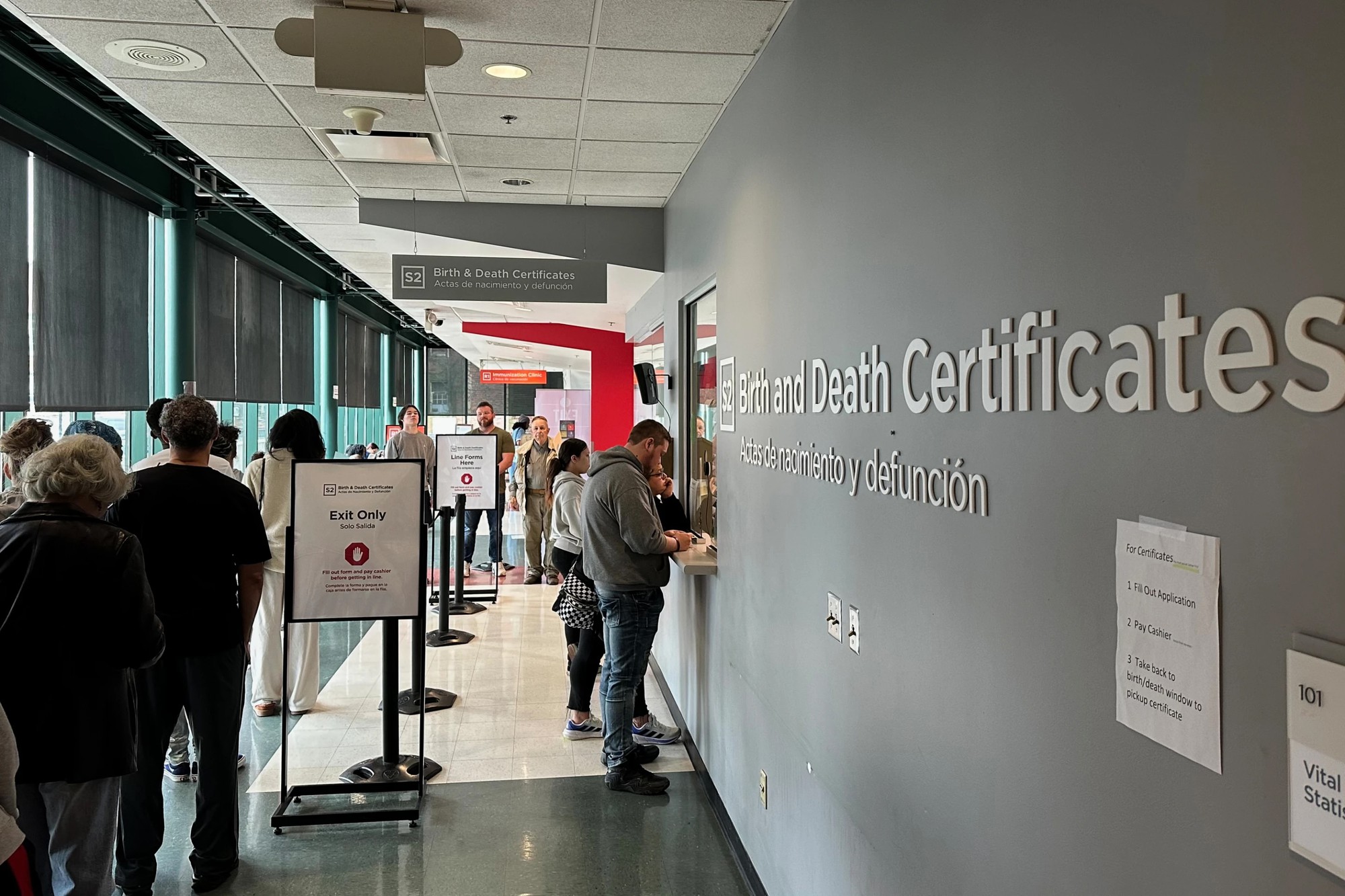
Approximately half of all U.S. adults do not possess a passport, and obtaining a certified birth certificate can cost money and require in-person visits to government offices, according to the Brennan Center for Justice. The center estimates the bill could block more than 21 million Americans from voting, and communities of color are more likely to lack the required documents, according to the League of Women Voters.
Trump is now tying the SAVE America Act to the resolution of a 38-day Department of Homeland Security shutdown.
On Sunday, Trump rejected a bipartisan proposal to end the 38-day DHS shutdown, demanding instead that Senate Democrats agree to pass the SAVE America Act before any funding deal moves forward.
“I don’t think we should make any deal with the Crazy, Country Destroying, Radical Left Democrats unless, and until, they vote with Republicans to pass ‘THE SAVE AMERICA ACT,” Trump wrote on Truth Social Sunday.
Trump’s demand came hours after Senate Majority Leader John Thune presented the president with a potential off-ramp — fund every part of DHS except Immigration and Customs Enforcement, which Democrats have refused to fund without restrictions on the agency. Trump rejected the proposal.
Speaking at an event in Memphis, Tenn., on Monday, Trump urged Republicans to cancel their upcoming two-week Easter recess to force votes on the legislation.
“You don’t have to take a fast vote,” Trump said. “Don’t worry about Easter, going home. In fact, make this one for Jesus.”
The bill needs 60 votes to overcome a filibuster in the Senate, where Republicans hold a 53-47 majority.
The Senate debate on the SAVE America Act has now entered its second week, though the DHS funding standoff slowed additional progress.
Sen. Alex Padilla said his caucus would not back down in a Tuesday press conference.
“We’re prepared to stay here all day and all night or multiple days and multiple nights and even multiple weeks, if necessary,” Padilla said.
The Senate confirmed Sen. Markwayne Mullin as DHS secretary on Monday, but the funding impasse remains unresolved.