


By Kalena Reynolds | Opinion Editor
From post-apocalyptic sci-fi to “Girls with Guns,” Film & Digital Media Professor Dr. Michael Korpi has taught classes on a variety of topics and interests. However, in the spring of 2026, Korpi will revive a subject he last taught eight years ago: anime.
While the class will be structured as a seminar, Korpi will start by asking the students what their favorite anime is and what they would like to discuss throughout the semester. The class will take place from 3:30 p.m. to 4:45 p.m. on Thursdays. The course code is FDM 4396.
“The first thing I do is determine what the people in the room are interested in,” Korpi said. “I’ll have some things I know will appear on the screening list. But I will have picked maybe 30% of what we have time to show.”
According to Adobe, “anime” is the word Western audiences use to describe Japanese film animation and TV shows. Some of the most popular anime to date are “My Hero Academia,” “Death Note” and “Naruto.”
During the class, Korpi will have students complete multiple presentations and assignments on anime, including written homework and AI-generated anime.
“You can use existing media to prompt the AI,” Korpi said. “You could find pictures in frames of movies and stuff that you liked for how you would want to tell the anime story, or it could even take bits from anime and then have the AI change the characters.”
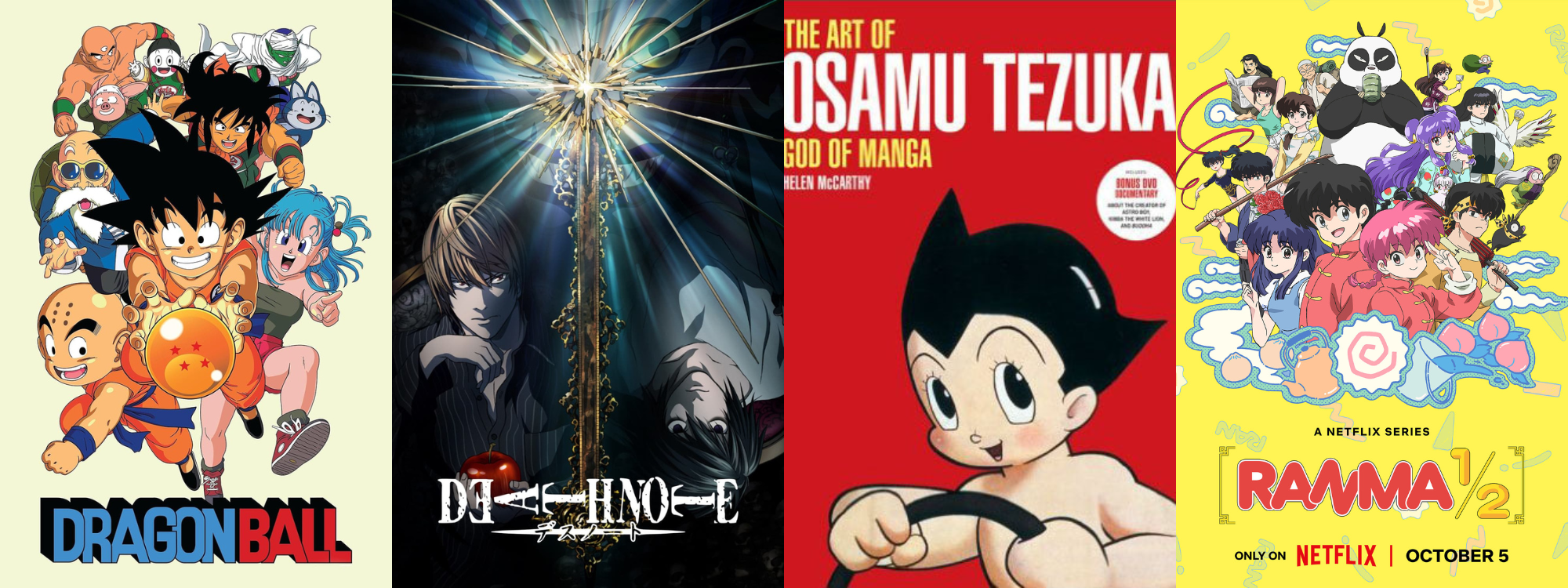
Aside from the assignments, Korpi will also have weekly screenings during class time of a variety of chosen films and shows, including “Dragon Ball,” ‘The Art of Osamu Tezuka: God of Manga,” “Death Note” and “Ranma ½.”
Korpi also said he would show anime from multiple different time periods, as the popularity of current anime series began to dominate within Generation Z media, with over 50% of global Netflix members watching anime.
Film & Digital Media professor Dr. Corey Carbonara said his daughter took the class from Korpi in 2015 and “absolutely loved” it. Carbonara said that although his daughter had background knowledge of “manga,” Japanese comic books and graphic novels, the class largely expanded her love of anime.
As for cultural significance, Korpi said anime often incorporates a multitude of cultural symbols that usually come across as “questionable” to U.S. audiences. Korpi said multiple aspects of the genre are really odd and very different from U.S. stereotypes and culture, pushing both multicultural boundaries and assumptions.
“My daughter took the first anime class I taught that had to be in the mid-2000s, and she was completely puzzled and bemused about this thing in anime where the characters think it’s hilarious to see a girl’s panties,” Korpi said.
As cultural aspects might seem foreign to American students, the storytelling remains the same regardless of the origin.
Carbonara said that previously, many colleges and the American Society of Cinematographers rejected the notion of animated storytelling; however, anime has recently helped lead a push for recognition for the genre’s creators and storytellers.
Carbonara went on to say that many film programs reject teaching animated courses.
“There’s an incredible push right now to really acknowledge the art form of animation and recognize that animators really have to make choices about where the camera’s positioned, what type of shot it is, and so the syntax of visual storytelling is the same, really,” he said.
As the lines between film and animation blur, anime continues to expand in storytelling and visuals, with Korpi explaining storylines such as “martial arts experts” and “drifting cars,” which lead to a specific sort of imagery crucial to the anime genre.
“They don’t do lots of long shots with all kinds of detailed backgrounds,” Korpi said. “Sure, they’ll do the close-ups, and they’ll have lines and stuff that kind of fills in your imagination, fills in the rest of the story.”
Carbonara said the cultural and visual importance of anime is unmatched, not only for personal learning, but also because of its worldwide popularity.
“It really is such an incredible opportunity to look at a story from a perspective on a particular category of genre, which has so much appeal,” Carbonara said.
