By Marisa Young | Staff Writer
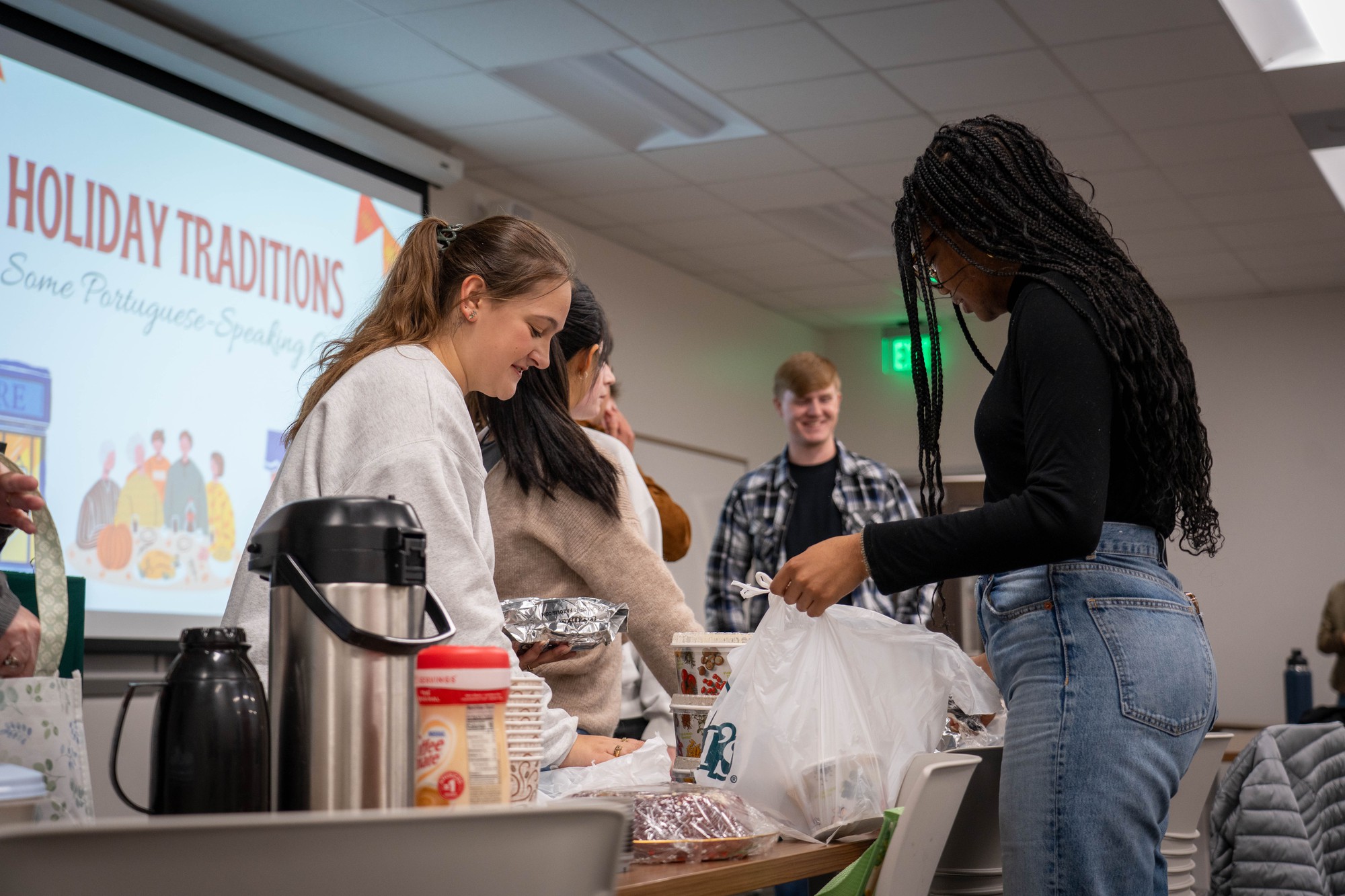
Over cups of coffee and steaming pão de queijo, members of the Portuguese Student Association shared valuable conversations at their end-of-semester holiday potluck.
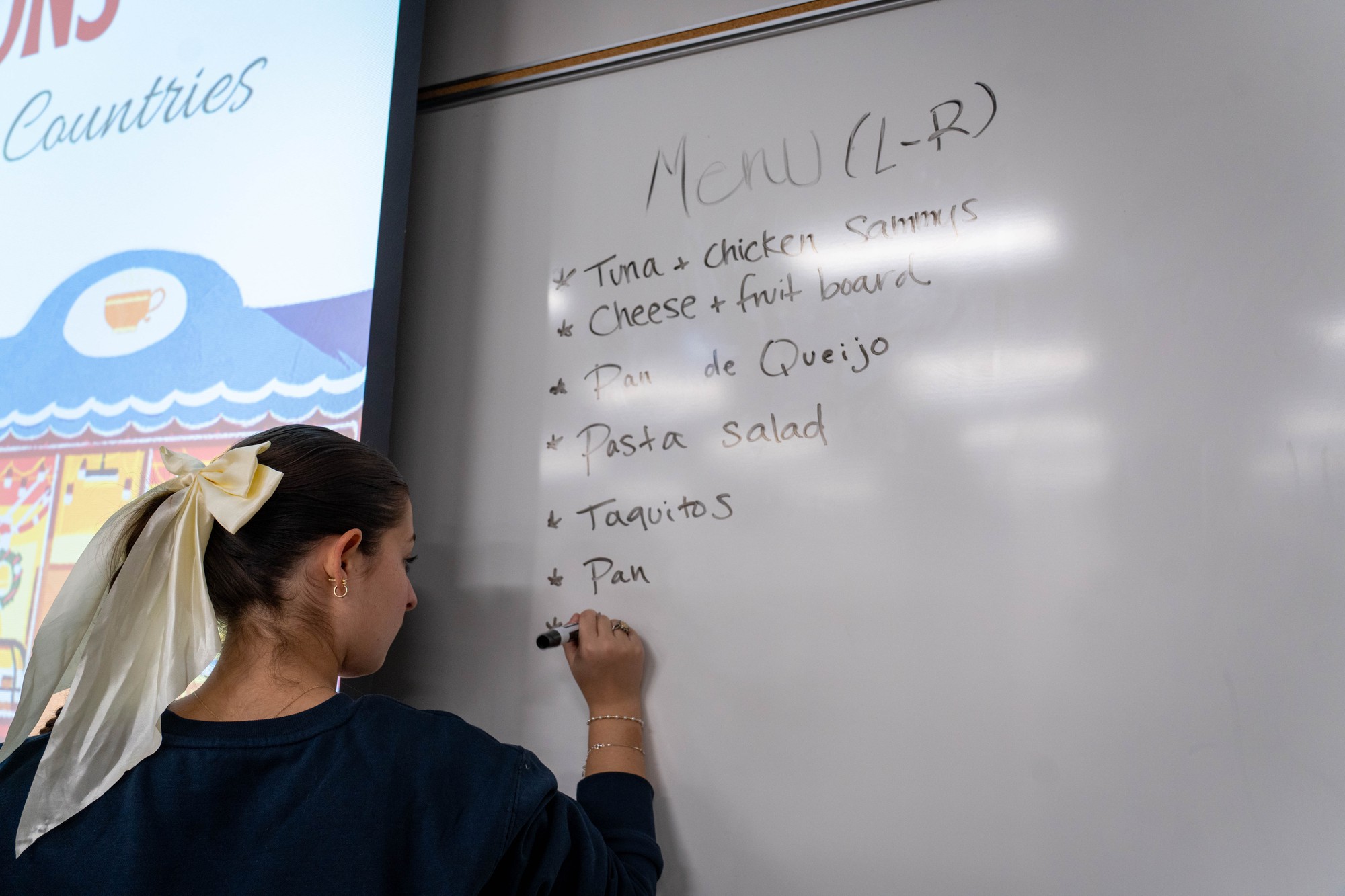
PSA hosts a potluck each semester to close out the year in good spirits, according to Sugar Land senior and president Melissa Ratcliffe. Two culinary staples at every potluck are coffee and pão de queijo, which are small rolls of Brazilian cheese bread.
While it’s a common misconception that Portuguese is exclusively spoken in South America, as of 2025, it is actually the official language of seven countries, including Portugal in Eastern Europe, and several countries in Africa, including Angola and Mozambique.
“I think that the Portuguese community is a lot less known than the Spanish-speaking community here at Baylor,” Ratcliffe said.
PSA’s mission is to fill the awareness gap by not only celebrating Portuguese-speaking cultures, but also fostering connections with students or faculty outside of the community who are curious to learn about it.

PSA hosts a monthly “Café da tarde,” which translates to afternoon coffee, featuring “free food and good conversations,” Ratcliffe said.
Café da tarde is a common routine in Portuguese-speaking countries such as Brazil, where people take a break in the afternoon to enjoy coffee, light snacks and community.
The organization also hosts events throughout the school year, such as an annual cooking class featuring a dish from a Portuguese-speaking country.
“Earlier this year, we made foods from Brazil and Mozambique, and we’re looking to incorporate Portugal, among others, next time,” Ratcliffe said.
Events like this give Portuguese-speaking students a taste of home and provide everyone an opportunity to learn something new, regardless of culture.
“Last year we did a dance event on Fountain Mall, where we highlighted Capoeira, which is a form of Afro-Brazilian dance,” Ratcliffe said.
Faculty adviser Gustavo Costa highlighted additional events PSA hosts, such as movie nights and a Carnival celebration.
“Sometimes we bring guests to tell members a little bit about their culture,” Costa said.
Baylor has a growing Portuguese-speaking community, including 15 Portuguese-speaking professors and many graduate students from Brazil and Portugal, according to Ratcliffe. No matter their background, Ratcliffe said all Baylor students and faculty are welcome in PSA.
“I want students to know that we’re really a community that just wants to foster learning and inclusion,” Ratcliffe said. “We’re really just about having fun and connecting with different people and different points of view … it’s cool for people to be able to branch out and learn about something they didn’t know.”
Costa emphasized how PSA helps students who may be far from home and do not get to experience the familiarities of their culture on campus.
“Students have the opportunity to speak a little bit of Portuguese, or if they don’t speak it, they can hear it, which helps them a lot,” Costa said. “This is about not only language, but also community and friendship as well.”
To stay updated on PSA’s events, students and faculty can visit their Instagram.