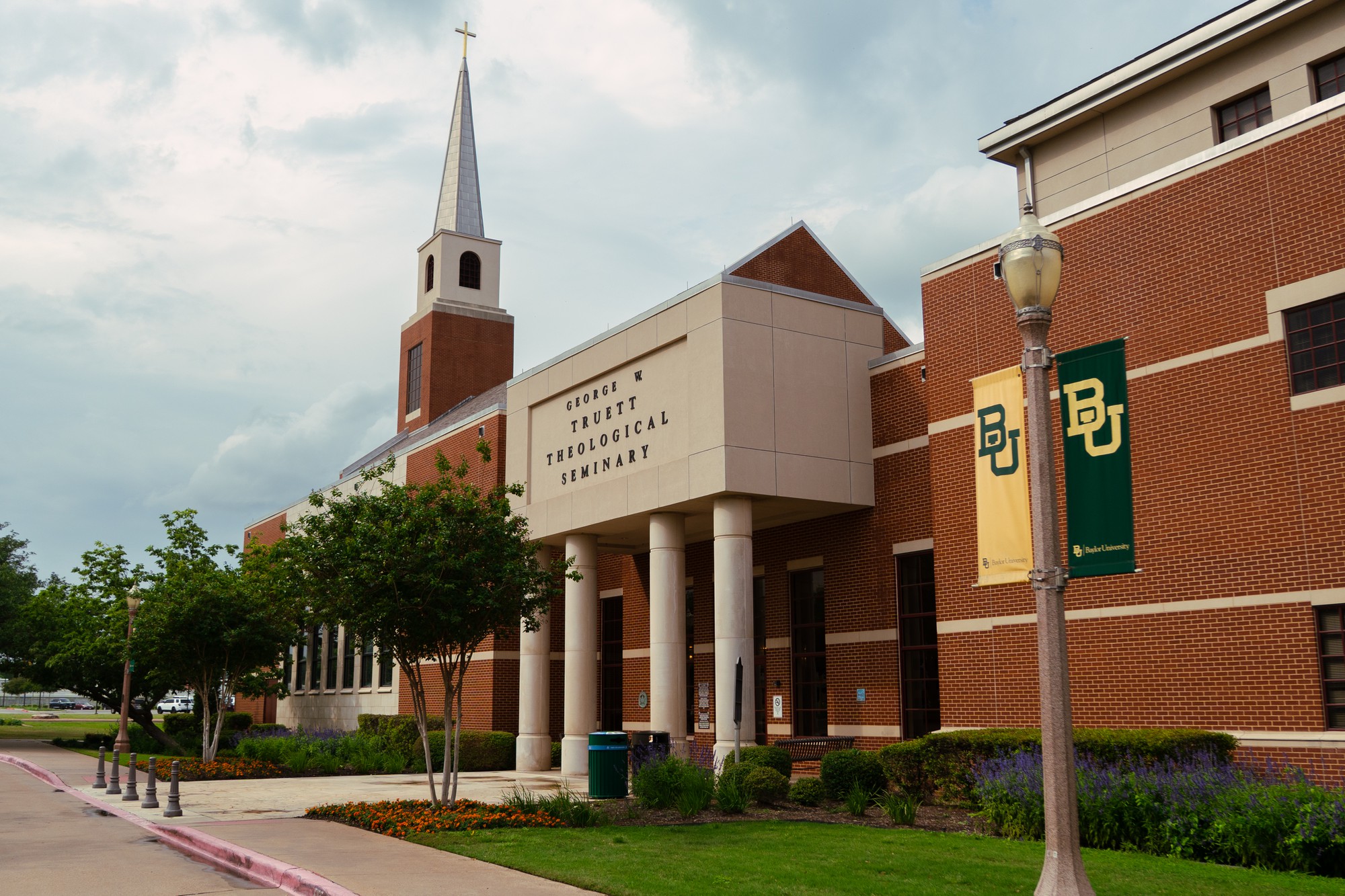
By Abby Rathburn | Staff Writer
In the last few years, Baylor has changed its recruitment process to be less Baptist-oriented, and the statistics show it.
Since its chartering in 1845, Baylor has identified as a Baptist university. It’s also been affiliated with the Baptist General Convention of Texas for the past 181 years, but Baylor’s Baptist student population has steadily declined since 2016.
According to Baylor’s Office of Institutional Research, the Baptist student population has decreased by about 28% since fall 2016, when 4,842 students identified as Baptist. In fall 2025, only 3,483 students were Baptist.
According to Dr. Doug Weaver, chair of the department of religion, it’s been decades since Baylor actively recruited Baptist-identifying students.
“Baylor used to require all its regents to be Baptists, and Baptists used to get preference in faculty hiring,” Weaver said. “Those things are no longer the case as the school grew beyond its focus on being a heavily regional school that focused primarily on recruiting Baptist students in Texas and surrounding states.”
Now Baylor’s recruitment strategy focuses more on Christian values than specifically Baptist ones, Weaver said.
“Baylor as a regional school would have focused on recruiting Baptists in Texas and maybe even Baptists elsewhere,” Weaver said. “Baylor today recruits all over the country, and I doubt it focuses on Baptists; they market the school as a Christian university … not as a Baptist university.”
Many students reflect this statistic, choosing to attend Baylor for its Christian values rather than Baptist-specific ones. El Cajon, Calif., sophomore Jake Eichhorst said he believes there is value in maintaining a Baptist identity as Baylor continues to grow and change as a university.
“I think it’s good for a school, that’s like a Christian school, [to have] a base in a denomination or a background,” Eichhorst said. “It’s good for them to know where they came from.”
Although it doesn’t seem like Baylor is anywhere near disaffiliating as a Baptist institution, for such a drastic change to even be possible, the board of regents would have to approve it.
“I would hope that Baylor, as a Christian-affiliated school, would remember the best ideals of the broader Baptist heritage as it practices a robust ecumenical identity that includes people across the spectrum of Christian groups,” Weaver said.
Even so, Baylor has reviewed its heritage before, abandoning some of the more stringent aspects of the Southern Baptist tradition. For example, it was not until 1996 that students were allowed to dance at Baylor University.
As Baylor has moved away from these more restrictive traditions, the student body evolved with it, including Lufkin freshman Abigail Miranda.
“I think a lot of people are just shying away from tradition, but still staying strong in Christian beliefs,” Miranda said. “I don’t agree with traditional Baptist beliefs; it is hard to feel included in their community because of that.”
Similarly, San Jose, Calif., freshman Conner Gordon said he thinks the general decline among Baptist students is due to a shift within the Baptist church. Gordon grew up Baptist but stopped identifying as Baptist when he came to college. He said Baptist traditions scare students away and towards other groups, particularly non-denominational.
“I feel like [Baptists] moved away from what Christianity is supposed to be, like me personally, I have a lot of reasons for stepping away from my old church,” Gordon said.
But Weaver said the shift isn’t necessarily a bad thing. His perspective is that more is gained from a denominationally diverse environment than from strict adherence to Baptist traditions.
“I assume Baylor faculty would tell you a religiously diverse faculty is a stronger faculty,” Weaver said. “A school can include the best — there are examples of the worst, too — of a denomination’s heritage if it wants to, while being a broad, ecumenical Christian university.”