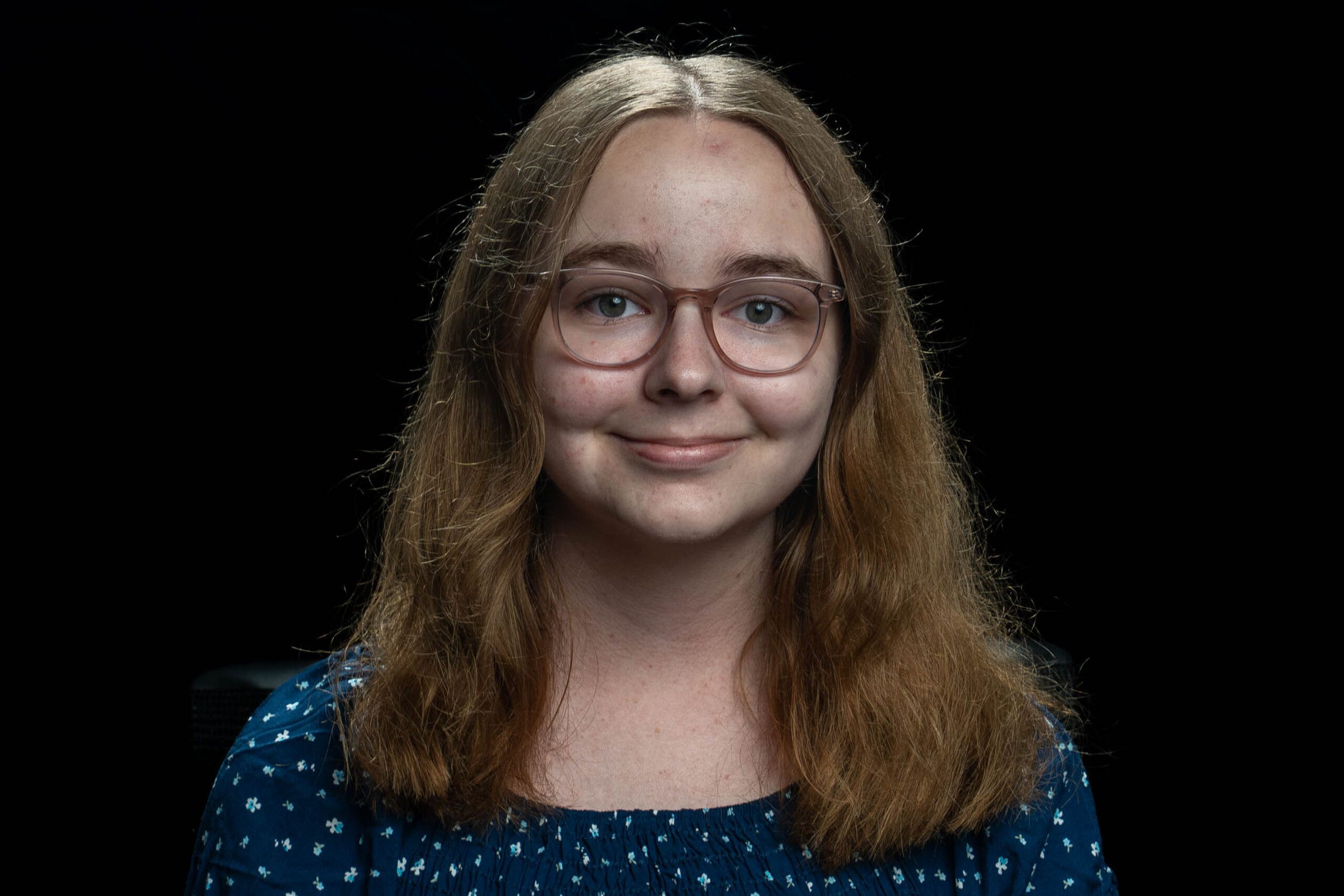
By Arden Berry | Staff Writer
Four years ago, I opened my laptop and started typing into the YouTube search bar for the first time in my life. Up until that point, my parents hadn’t let me access the website on my own. At 15 years old, having spent the era of Vine compilations, early Minecraft YouTube and makeup YouTuber drama in the dark, I stared as the colorful thumbnails blinked up at me.
I looked up the video games I was interested in at the time and the YouTube personalities my friends had talked about. There were years of content to catch up on. I had spent those years of my life asking, “Who is that? What are we talking about?” And finally, I would know.
I enjoy watching YouTube. There are so many funny, creative people making unique, engaging videos. On the other side, though, some videos are inappropriate, violent and sometimes just completely AI-generated. Even the good videos have foul language and mature themes that an adult could perceive, but a child could not. YouTube is incredibly entertaining for mature viewers, but can be dangerous if the wrong video auto-plays for young viewers.
According to the National Institutes of Health, the prefrontal cortex, which supports the capacity for good judgment, does not fully develop until around 25 years old, meaning children are far from reaching their full capacity to make good decisions.
YouTube is not for children to explore alone. Sure, there’s YouTube Kids and content restrictions, but things can slip through the cracks. With television, a network makes and approves a show before viewers can see it, and TV shows and movies both have maturity ratings. With YouTube, anyone can make and post a video.
According to YouTube’s official blog, over 20 billion videos had been uploaded as of April 2025, with an average of 20 million uploaded daily. With those numbers, even if YouTube had stopped allowing video uploads in April and each video was only one second long, it would take over 600 years for one person to watch every video ever uploaded to YouTube. YouTube can take a video down or age-restrict it, but no person is watching every single video before it’s posted and noting all the mature themes present.
The closest thing YouTube has to television networks is the channels. My parents didn’t give a 3-year-old me the TV remote and stand idly by while I found an R-rated movie; they turned on Nick Jr. because they knew it would play shows like “Dora the Explorer.” Similarly, I regulate myself now by mostly watching content from the same YouTube channels because they have established that credibility with me by making good videos in the past. YouTube Kids has a “approved content” setting that seems like the best solution, as parents can select specific channels for their kids to watch.
Though I did feel out of the loop as a kid, I don’t regret not being allowed to watch YouTube. It’s been fun discovering everything that’s out there as a more mature person who knows how to self-regulate and can tell the good videos from the clickbait. I don’t even have a concept of how I would have navigated all of it as a kid, but I do know that I wouldn’t have navigated it nearly as well as I do now.
The key to navigating YouTube is having the power over it. The algorithm, thumbnails and titles are there to convince you that you have to watch a particular video, and you need to be aware that you actually don’t. In the end, the most important thing that being without YouTube taught me is that I don’t need it. It’s just fun entertainment. Maybe children, as well as the rest of us, shouldn’t have that reliance on others to create content for them all the time. Perhaps we should try creating things ourselves.