


By Alexia Finney | Staff Writer
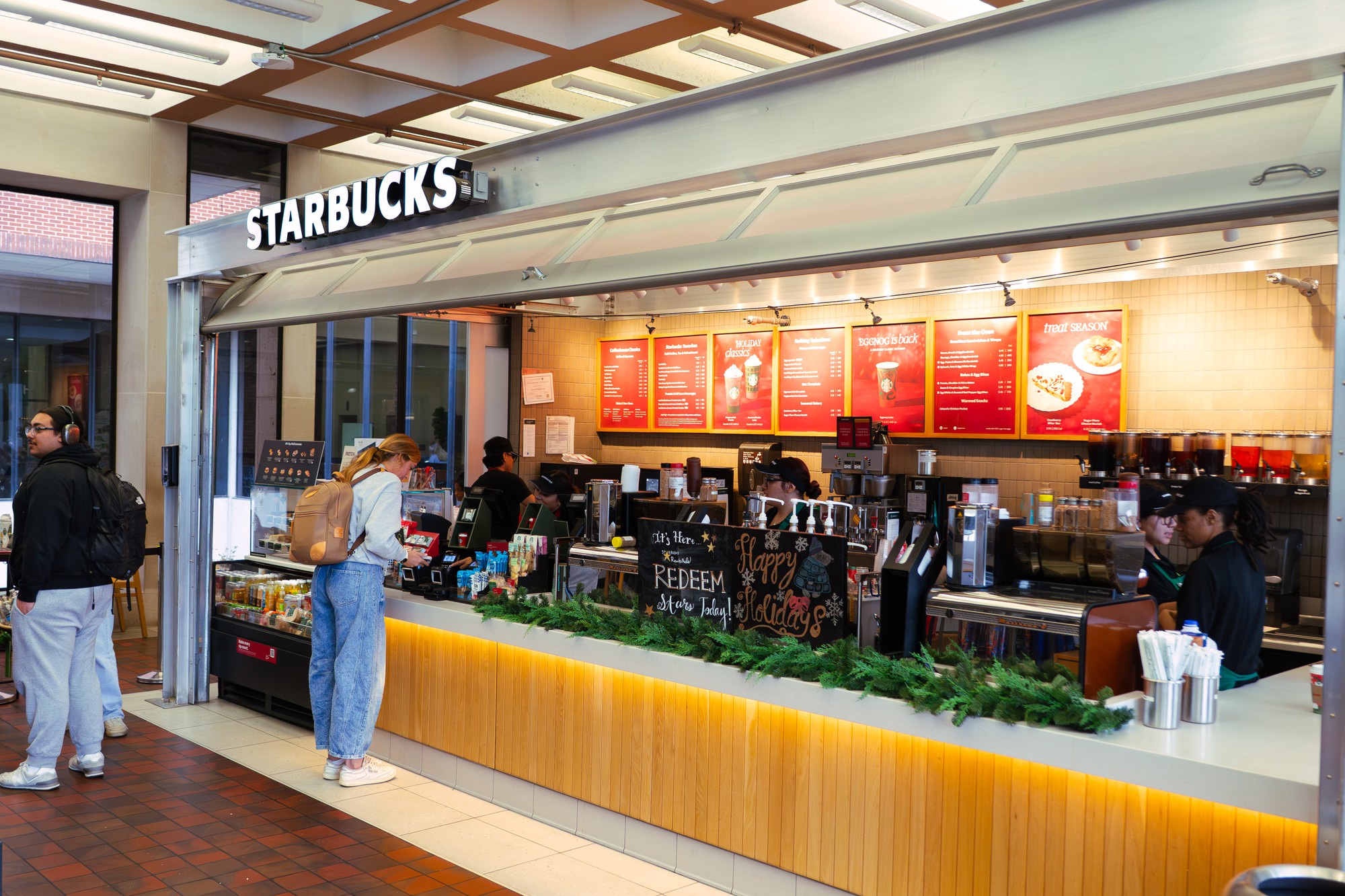
More than 5,000 students are now working on campus — up from 3,600 just two years ago.
This increase is in part due to Baylor’s addition of a standalone student employment department, which oversees all student jobs on campus and provides one-on-one consultations for students seeking on-campus job opportunities.
The university has also expanded support for students through the Federal Work-Study program, allowing students with financial need to earn money while on campus, with part of their pay covered by the federal government and part by the university.
Baylor’s Lead Student Employment Manager Georgia Tate said Baylor has experienced “rapid and unprecedented” growth in student hiring over the past two years.
“A quarter of Baylor students now work on campus,” Tate said. “One in four, that’s an unusually high number for universities nationwide.”
The growth outpaces national trends in student employment. While projected student employment across U.S. colleges grew roughly 9% between 2018 and 2028, Tate said Baylor’s increased 40% in two years, highlighting the surge as a deliberate institutional push.
A major driver of success is the new federal work-study reinvestment model, under which departments that hire FWS students now receive reimbursement funds that must be reinvested in student employment.
“The incentive program gives departments breathing room,” Tate said. “It strengthens student employment on two fronts at once. Now departments can hire more students or use the funds to raise wages.”
Tate said undergraduate employees currently earn on average $10 per hour, while graduate students earn between $12 and $14. Tate said this was due to the graduate student’s undergraduate education and work experience.
“Our rates are exactly where we should be when benchmarked against other Texas universities,” Tate said.
Despite the hiring surge, on-campus jobs remain competitive for next spring.
“I wouldn’t call student jobs guaranteed,” Tate said. “We tell students to apply to at least 10 positions because there’s such high demand.”
Student workers must also navigate a 20-hour weekly cap, intended to prevent work from limiting academic progress.
“We’ve consistently seen that students who work on campus have higher GPAs,” Tate said. “Supervisors are trained to prioritize academics.”
Certain roles within the student life and athletics departments remain top choices for students. San Antonio junior Ellie Ledoux said she wanted to work as a tour guide in the Student Life department because of its proximity to campus.
“The convenience of having a job on campus is so nice,” Ledoux said. “I have a car, but I don’t have a parking pass, so I can’t drive. To walk from class or something, it’s very nice.”
Keller sophomore Reese Patrick works at Moody Library Help Desk and said his job provides him with extra spending cash.
“I’m pretty new, but I think I’m satisfied with it,” Patrick said. “My parents cover my school, but I pay for things like gas and small expenses. I need the job, but not as much as some people do.”
Patrick said his pay generally covers his basic costs, but does not cover it all.
“I do make decisions based on the amount of money I have,” Patrick said. “It helps, but it’s not like I suddenly have a lot of extra money.”
One of the most important parts of having a student job during undergrad, Tate said, is the ability to make college more affordable and make the extra cash students spend without realizing it.
“The biggest benefit we’ve seen is that student jobs put money directly in students’ pockets,” Tate said. “The more you work, the less you need to take out in loans and the more you can use for essentials like gas, groceries or small personal expenses. Student employment isn’t just a job; it’s a way to help make college more financially manageable while also gaining valuable experience.”
