By Stephanie Starks | Staff Writer
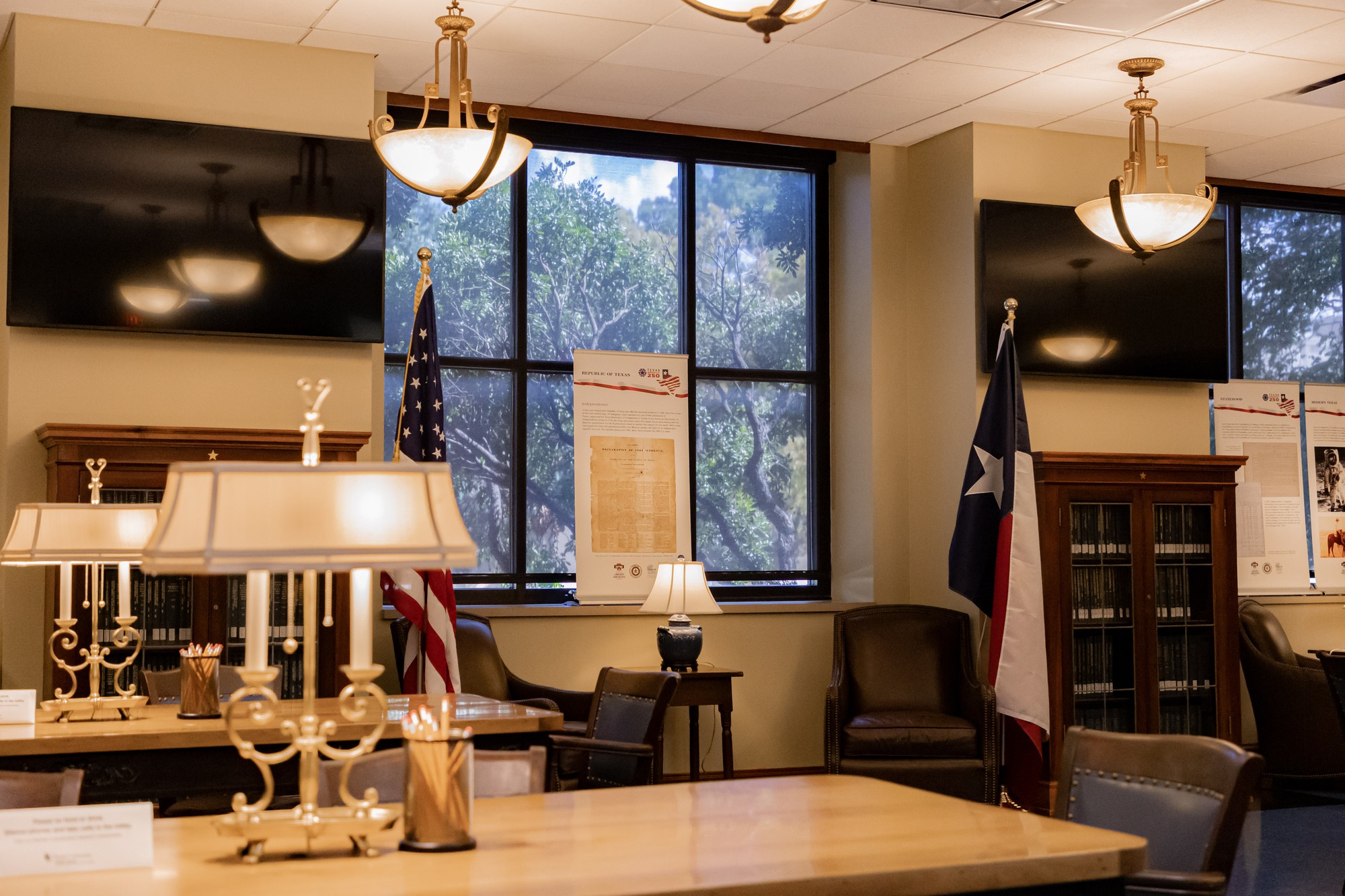
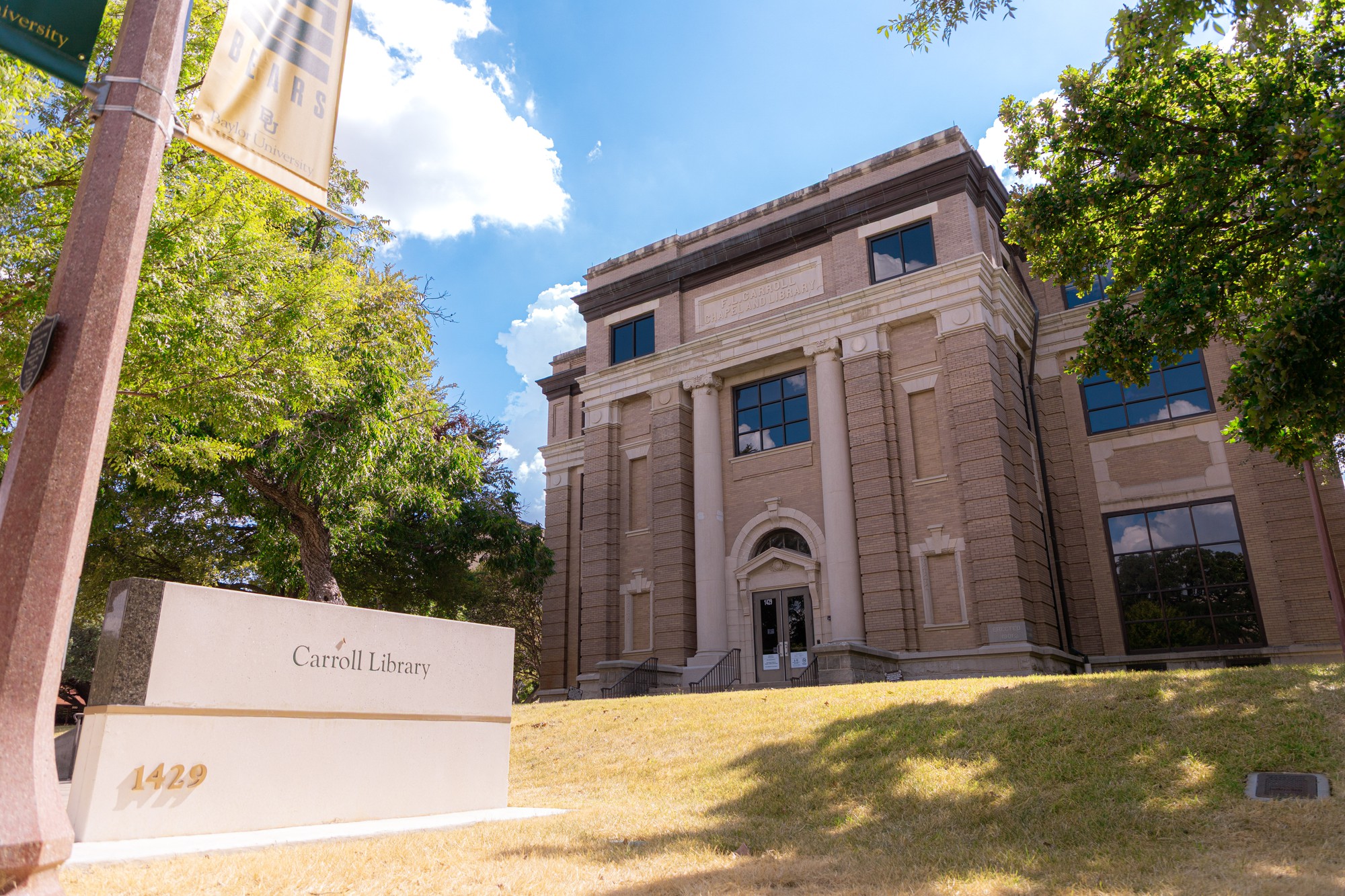
Tucked inside of Carroll Library, Baylor’s first library building, is a collection of Texas history that stretches far beyond the walls of the university.
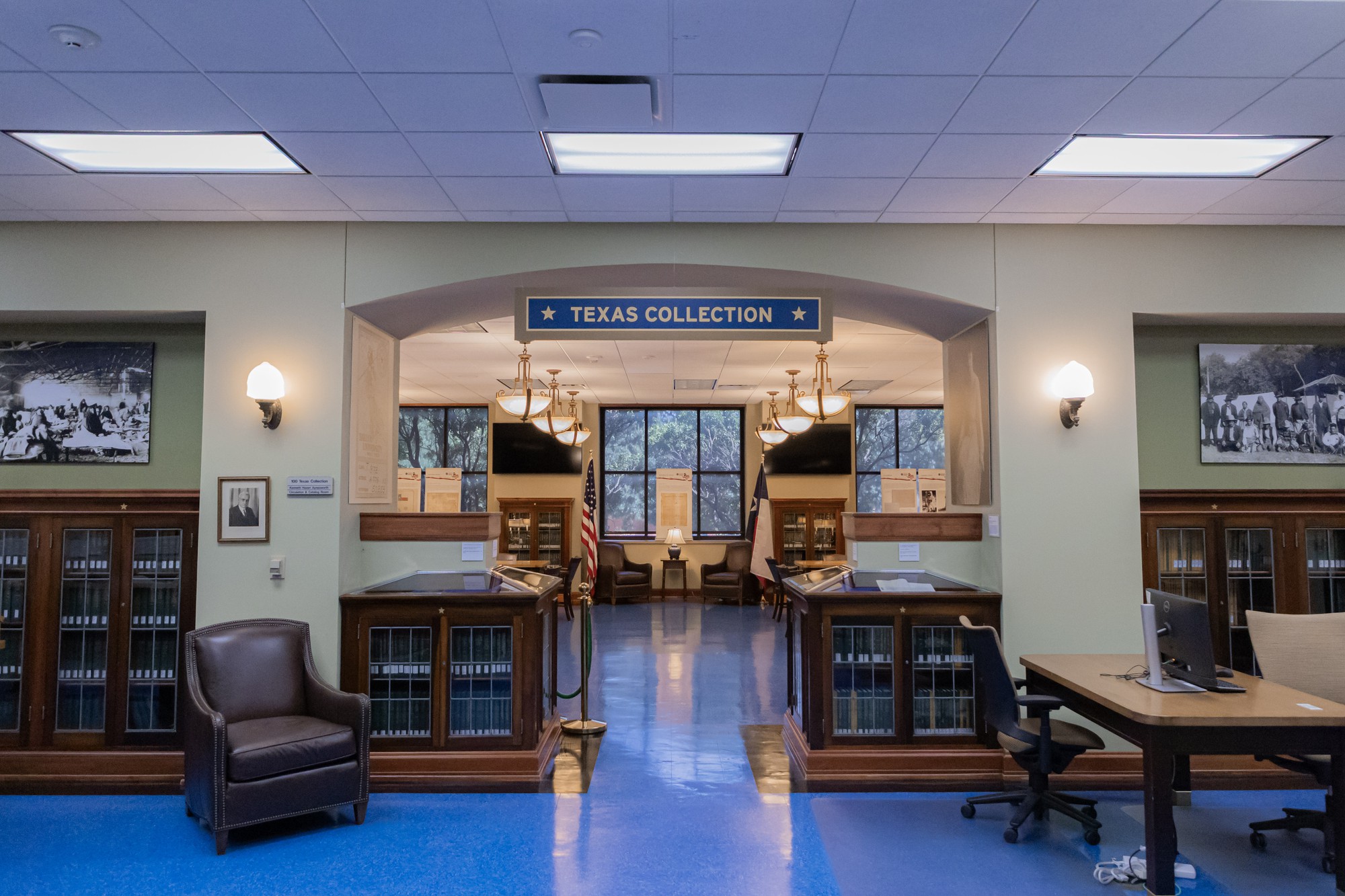
The Texas Collection houses historical documents, books and other materials that tell the story of Texas and its people. In 1923, Dr. Kenneth Hazen Aynesword and other Baylor graduates donated volumes on Texas history to the university. Now, The Texas Collection is one of the largest institutions in the world dedicated to historical documents related to Texas history.
For students, The Texas Collection, its exhibits and primary documents provide opportunities to encounter history firsthand and consider how the events of the past continue to shape the present.
Sylvia Hernandez, outreach and instructional librarian at The Texas Collection, said understanding history can help students recognize how people before them responded to challenges.
“We are The Texas Collection,” Hernandez said. “Our main focus is from the viewpoint of Texas, and I think that learning both American and Texas history is important for students to be able to look back on how people solved problems in the past.”
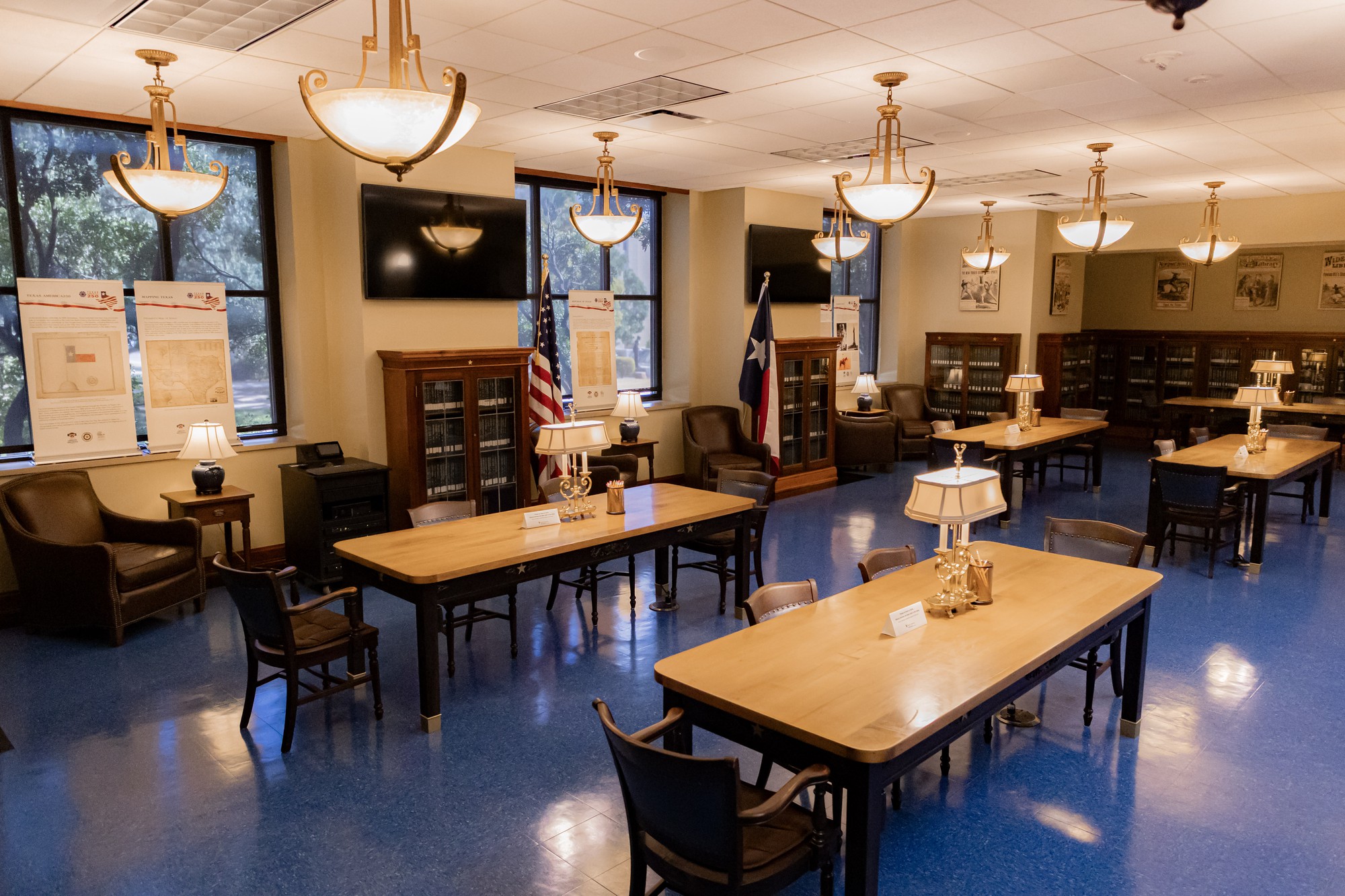
The collection is currently highlighting that connection by displaying documents in an exhibit commemorating 250 years since America’s founding. The exhibit, which will remain on display through October, features documents from the Revolutionary period, including journals from the Second Continental Congress, where the Declaration of Independence was signed, and documents detailing colonists’ grievances over taxation.
The documents are organized into three periods: the events leading up to the American Revolution, the Revolution itself and the period immediately following it.
Hernandez said the collection’s exhibits also allow students to see how larger moments in American history connect to Texas.
“If you look at some of the other documents that are on display, you can kind of see how immigration has affected Texas itself,” Hernandez said.
Eric Ames, associate director for advancement, exhibits and community engagement for The Texas Collection, said making history accessible is central to the collection’s purpose.
“There’s always relevance when we look into the past,” Ames said. “Part of our job is to put out as many of these stories as we can, so that we can make history accessible.”
That accessibility is particularly important for students, Ames said, because engaging with historical topics can challenge their existing perspectives and broaden their understanding.
“Nothing can go wrong when students engage with challenging topics from the past, or just things people may not be familiar with,” Ames said. “This makes students grow, broaden their understanding and that is what The Texas Collection is aiming for with the exhibits that we put on display.”
Houston junior Emma Savoy works in The Texas Collection as an archival assistant. She said working with historical materials has changed the way she thinks about the importance of preserving and understanding the past.
“If we can’t learn about our own history, we’re bound to make mistakes.” Savoy said. “This old adage that everyone says has a lot of merit. Learning about history can be really fun if students engage in it properly.”
For Savoy, one of the most valuable aspects of the collection is the opportunity to interact with primary documents rather than simply reading about historical events.
“Looking at primary documents here is one way to do that because it is free to the public to access these documents,” Savoy said. “It is important to see and understand what people before us were thinking and how that thinking has evolved over time.”