By Zainab Richardson | Staff Writer
In the heart of Central Texas, researchers are stepping into the below-freezing weather without leaving Waco.
For soldiers and first responders in Texas, deployment to Alaska can be detrimental not just to their reasoning but also to their reaction time.
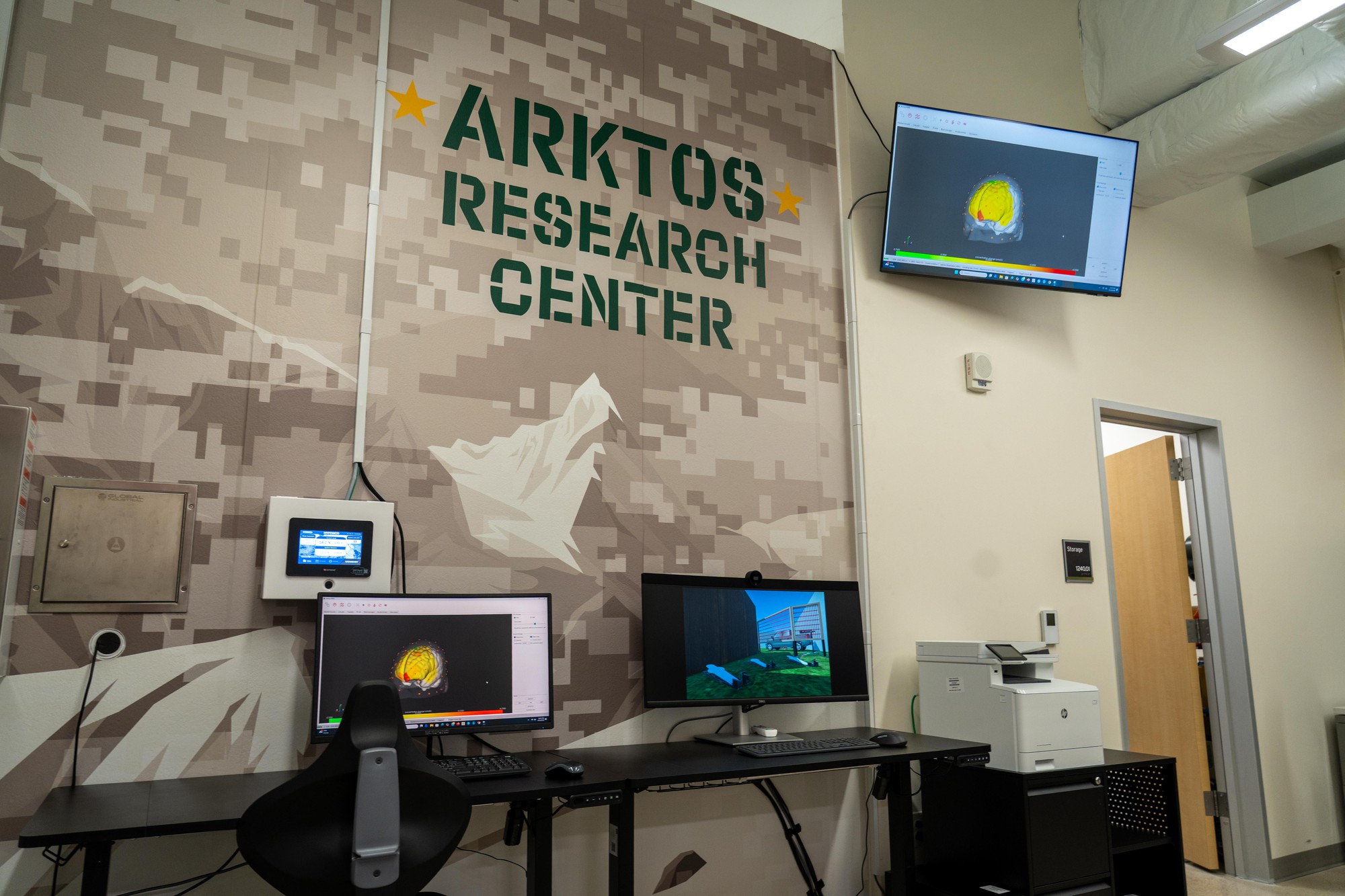
Baylor’s Arctic Acclimatization & Sleep Optimization Research Center is a first-of-its-kind facility that supports advanced, collaborative research and testing. It focuses on developing knowledge products and biomedical technologies to evaluate and reduce how factors in the Arctic affect different factors in soldiers and first responders, including sleep, cognitive abilities and physical performance.
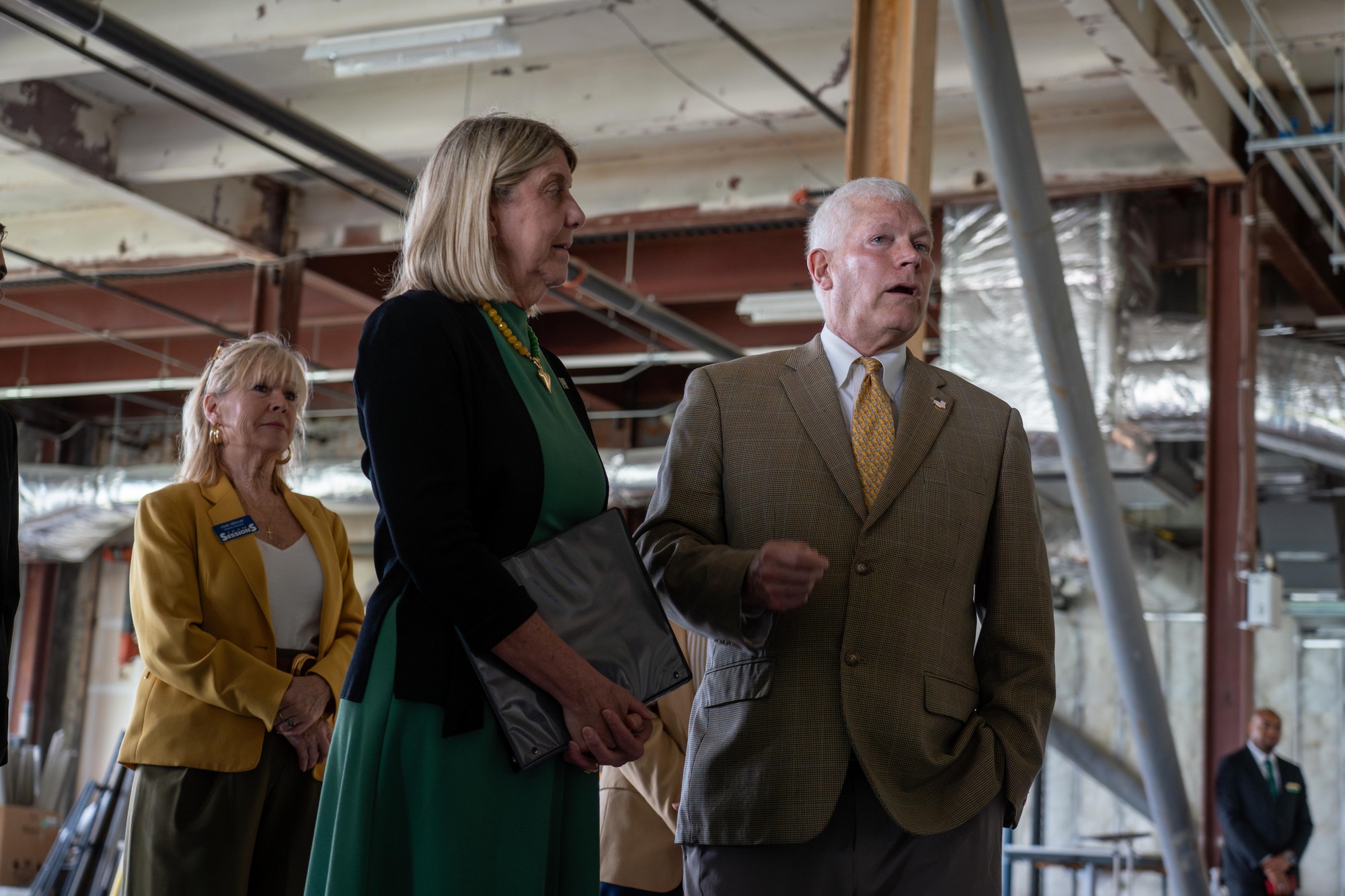
Co-Directors Dr. Jason Carter, dean and professor in Robbins College of Health and Human Sciences, and Dr. Cory Smith, associate professor in Robbins College of Health and Human Sciences, hosted a tour and grand opening of Baylor’s ARKTOS Research Center Monday at the BRIC.
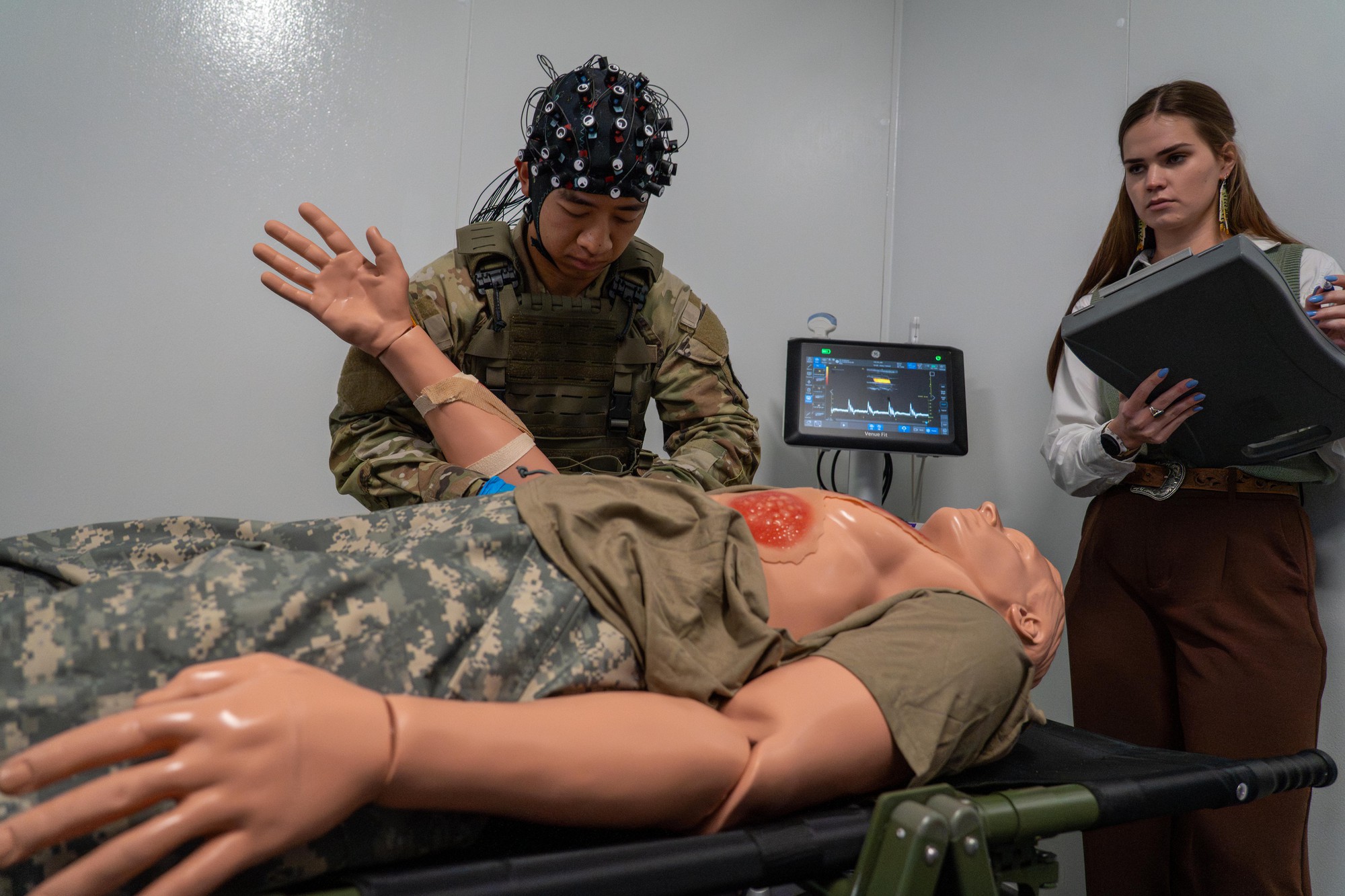
Looking into how factors like cold affect human performance, researchers need a controlled environment. Phase 1 delivers exactly that, with a chamber hitting minus 31 degrees Fahrenheit and simulating thin mountain air. The chamber can withstand cold long enough to monitor the conditions of those using it.
Smith explained that having the tools to conduct the research is imperative for obtaining data on why soldiers face higher risk factors in the Arctic environment.
“One of the things that we’re doing is we want to quantify why that’s happening, and then we are creating mitigation strategies to make it where it’s not impacting [them] as much, to improve their decision making and improve their cognitive load,” Smith said.
But simulating weather conditions is just the tip of the iceberg. Set for fall 2026, Phase 2 is expected to advance the research further by adding an advanced motion platform capable of simulating ground transport, air transport of up to 24,000 feet and snow.
The project has progressed quickly, but none of it would have been possible without funding. A key contributor to the effort is Congressman Pete Sessions, who helped secure funding for both Phase 1 and Phase 2 through Texas’s 17th Congressional District and the FY 2024 appropriations bill. Baylor President Linda Livingstone said the project would not have been possible without Sessions’ support, emphasizing the role his efforts played in making this funding a reality.
“Today was only made possible by the tremendous efforts of Congressman Pete Sessions,” Livingstone said. “Congressman Sessions secured a $1 million community project funding request for the project. He was also responsible for getting an additional $2 million in support for Phase 2.”
For soldiers deployed to the Arctic or emergency responders operating in those brutally cold conditions, the difference between success and failure comes from a split second of decision-making. The ARKTOS center won’t eliminate that cold climate, but by testing solutions in a controlled space, Baylor researchers hope to give those on the front lines a better chance at survival. Congress Sessions shared the sentiment.
“It is done to make sure that our country, the United States of America, and the men and women of the armed forces, and the people who expect us to do our job, to be prepared for the future,” Sessions said.