By Joana Karoshi | Staff Writer
While Baylor is often perceived as insulated from issues like hunger, student leaders say food insecurity still affects an estimated 12% of students on campus.
Benton, Ark., junior Lochlan Walsh, president of the Student Food Security Council, said students assume food insecurity isn’t a problem at a private university, but the reality is more complex.
“A lot of people believe that food insecurity is not prevalent on this campus, but it very much is,” Walsh said. “There are many students who are here on scholarship. There are many students who are working just to be able to afford their groceries, and there are many international students who aren’t familiar with how to get food resources.”
Walsh said the estimate of up to 12% of students experience food insecurity is based on available data and usage of campus resources, though the true number may be higher.
“We’ve been able to gather data from who’s actually using The Store,” Walsh said. “But so many students don’t use that resource because they either aren’t aware of it, or there’s a lot of stigma around food insecurity itself.”
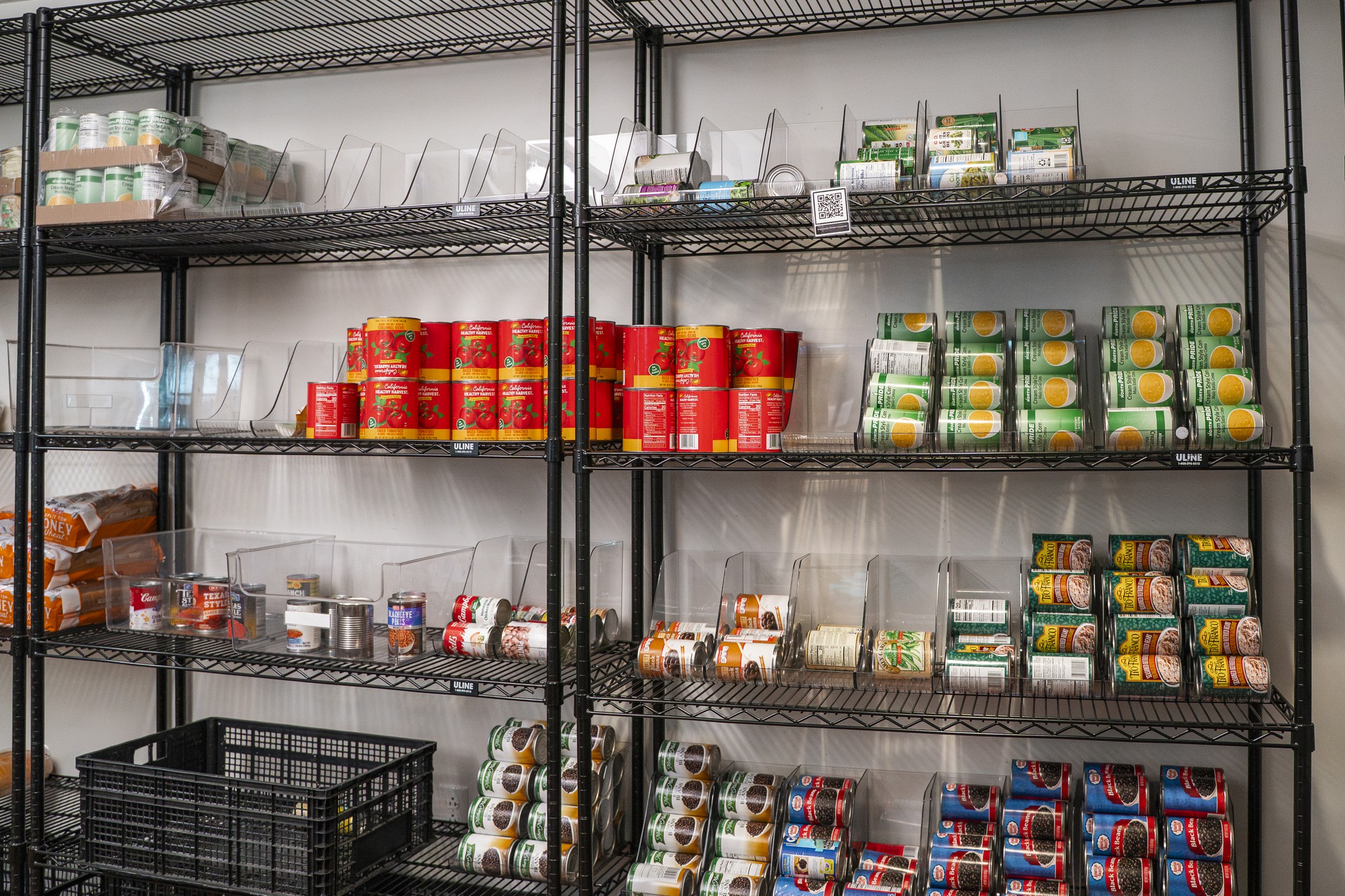
The Store, Baylor’s on-campus food pantry, provides students with groceries including fresh produce, milk, eggs and canned goods. Walsh said the pantry is one of several resources available to students experiencing food insecurity.
Another resource students may not be aware of is Daily Bread, a cafe located in East Village that offers low-cost meals.
“They offer $2 lunches to students,” Walsh said. “You get a sort of protein, a fruit, a vegetable and a snack for the day. It’s very well-rounded, very nutritious.”
Students who qualify for financial aid may also apply for meal assistance through the Sic ’Em Swipe Share program.
“If you qualify for financial aid or even if you apply for special circumstances, you can apply for 25 free meal swipes,” Walsh said.
In addition to promoting campus resources, the Student Food Security Council is also working to redirect surplus food that would otherwise go to waste.
The organization helped establish Baylor’s first chapter of the Food Recovery Network, a national initiative that collects unused food and donates it to community organizations.
“Once a week right now, we’re able to recover food from Rising Roll,” Walsh said. “We take all the sandwiches, wraps — everything that’s prepackaged — and then we take them over to a community center such as Salvation Army.”
Recovered food is weighed and reported to the national Food Recovery Network. Walsh said the council recovered about 3,200 pounds of food last year.
“That’s an incredible amount, and we hope to grow that,” Walsh said.
Cypress sophomore Kayla Smith, vice president of service for the Student Food Security Council, said she became interested in the issue after attending a campus event focused on global hunger and poverty.
“They were just talking about different statistics around poverty, food insecurity in Waco and on a global scale,” Smith said. “They were just talking about how imperative the issue was and how big of a need there is for people to give back to the community and for people to have access to food.”
Smith said her role involves coordinating volunteer opportunities and building partnerships with organizations both on and off campus.
“I maintain relationships with places like The Store and different on-campus organizations like Campus Kitchen and the community garden,” Smith said.
The council is also exploring ways to expand food recovery efforts and distribute excess food to more locations across campus.
“I want to start reaching out to different places around campus that we can have as possible places to put excess food once we do start recovering food,” Smith said.
Walsh said one of the biggest challenges in addressing food insecurity is simply raising awareness.
“Food insecurity is often a silent struggle,” Walsh said. “It could be your friend or your classmate that is experiencing food insecurity on some level.”