


By The Editorial Board
There’s a certain phenomenon that occurs upon arriving home for the holidays.
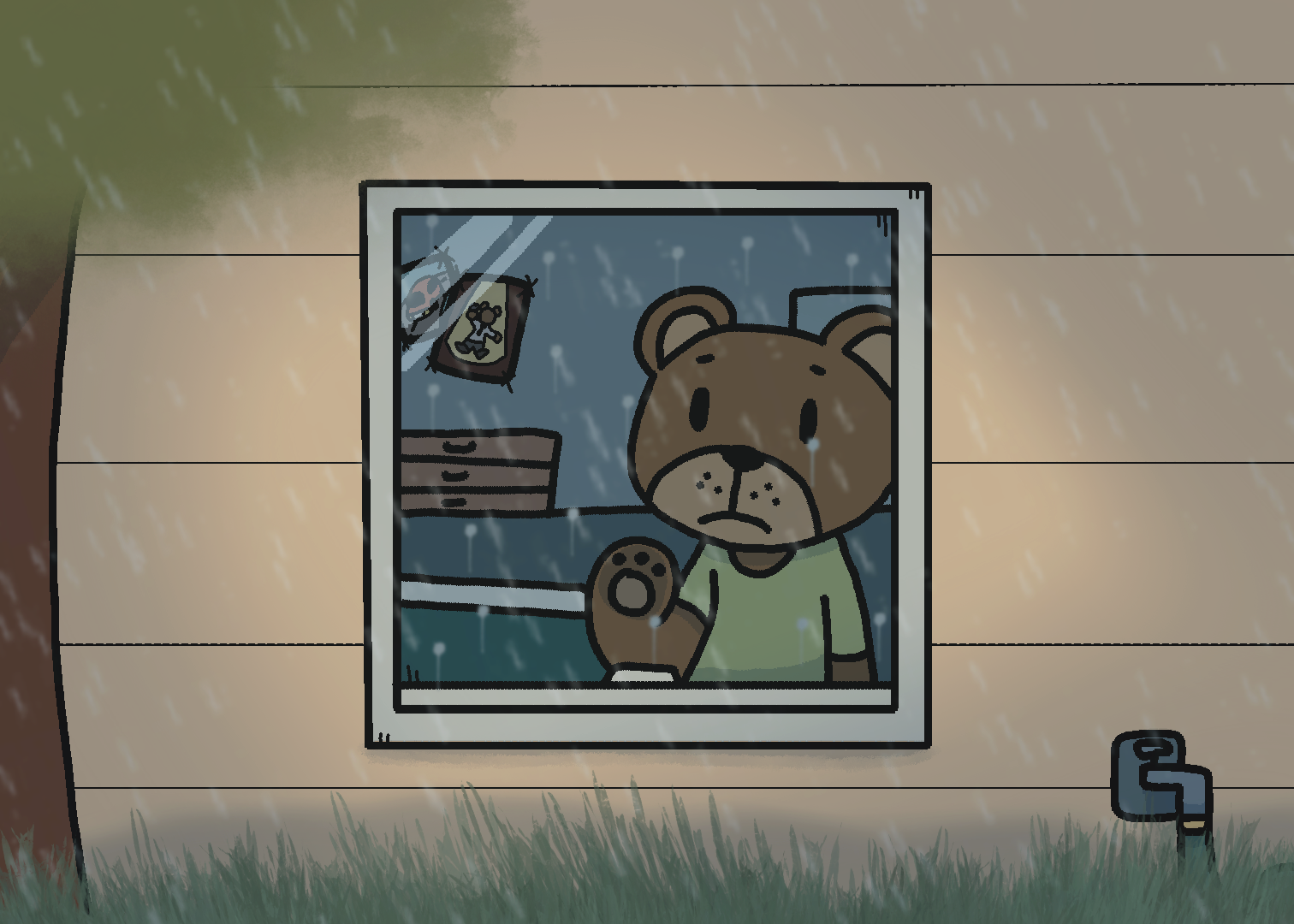
After the initial excitement of walking through the door, hugging your family members and tasting a home-cooked meal for the first time in weeks, you find yourself in a time capsule — your childhood bedroom. As you sit on your bed, you notice the comforter is a shade of blue you once were obsessed with, but now wouldn’t touch with a ten-foot pole. Surrounding you are posters of bands you haven’t listened to since junior year of high school, and in frames on the nightstand are photos of classmates you haven’t spoken to in years.
Suddenly, the accomplished, independent new version of yourself you’ve become at university fades away, and you’re back to your senior-year self. And for the rest of your stay, you feel torn between being the person your parents said goodbye to once you got settled in at your Baylor dorm and who you really are now.
Everybody talks about homesickness in regard to the holidays. Still, not enough people discuss the dread many students face when returning home that comes not because of poor familial relationships, but because of the loss of identity many experience.
Like it or not, this dread is actually an indicator of a successful college experience. It shows you were able to adapt to the university environment, form several meaningful relationships and develop a sense of belonging to your home away from home. It shows you’ve changed since you left home — when you traveled to a new place with new experiences and opportunities, surrounded by unique people with ideas and worldviews that might contrast with your own. We hope that after a semester at Baylor, you will not be the exact same person you were during your senior year of high school.
Still, this doesn’t ease the loss of independence, loss of social connection and overall change in identity students can feel when home for the holidays, even leading to emotional turmoil. Often, it feels as if families rarely understand, or notice altogether, the growth and changes we experience in a semester at school, leading to this sensation of dread:
“What if they don’t like how I’ve changed? What if they get upset with me for trying to be independent? Why can’t they see I’m growing up?”
Sometimes, we don’t even consciously have those thoughts. Instead, we feel a deep sense of dread and frustration, yet no words to name it. Though we intend to treat our families kindly, our frustration slips through the cracks. We lash out without really knowing why, creating a repeating cycle of frustration and guilt.
Freshman year is an especially formative period for students. Many first years experience what experts call a “W-curve,” an adaptive period that occurs as one embarks on their time at a university, including honeymoon, culture shock, initial adjustment, mental isolation and acceptance and integration phases. Basically, if you don’t recall, seniors, we were going through it, and discovering the rawest, most revealing parts of ourselves along the way. No wonder we feel like whole new people once we come home, especially for the first time since leaving as adults, not children.
So parents, be mindful to give your student the space, independence and privacy they might need when you welcome them home this December. If they need a few hours to decompress on their own, let them be. The transition home after a stressful semester at Baylor is certainly a different kind of adjustment, but one all the same. If they say something seemingly out of character for their high school self, hear them out. They might bring an interesting new perspective to the table.
Rather than reducing your child to the person they were in high school, see them for who they’ve grown to become. Chances are, they’re now wiser, kinder and more accomplished than you can imagine.
And students, have those conversations with your parents. Communicate your feelings kindly but honestly, rather than sitting in silent frustration about feeling smothered. If you feel boxed in or babied, it’s likely your family doesn’t even realize they’re doing it and are just trying to lay on the love.
Lastly, give yourself grace for growing up. If your parents haven’t quite recognized or accepted your growth, have confidence in yourself and maybe give it a little time — quality time to be precise. Initiate plenty of card games, movie nights, cookie-baking sessions or chats over some hot cocoa while you’re home. They’re bound to see how amazing this “new you” really is.

