


By Juliana Vasquez | Staff Writer
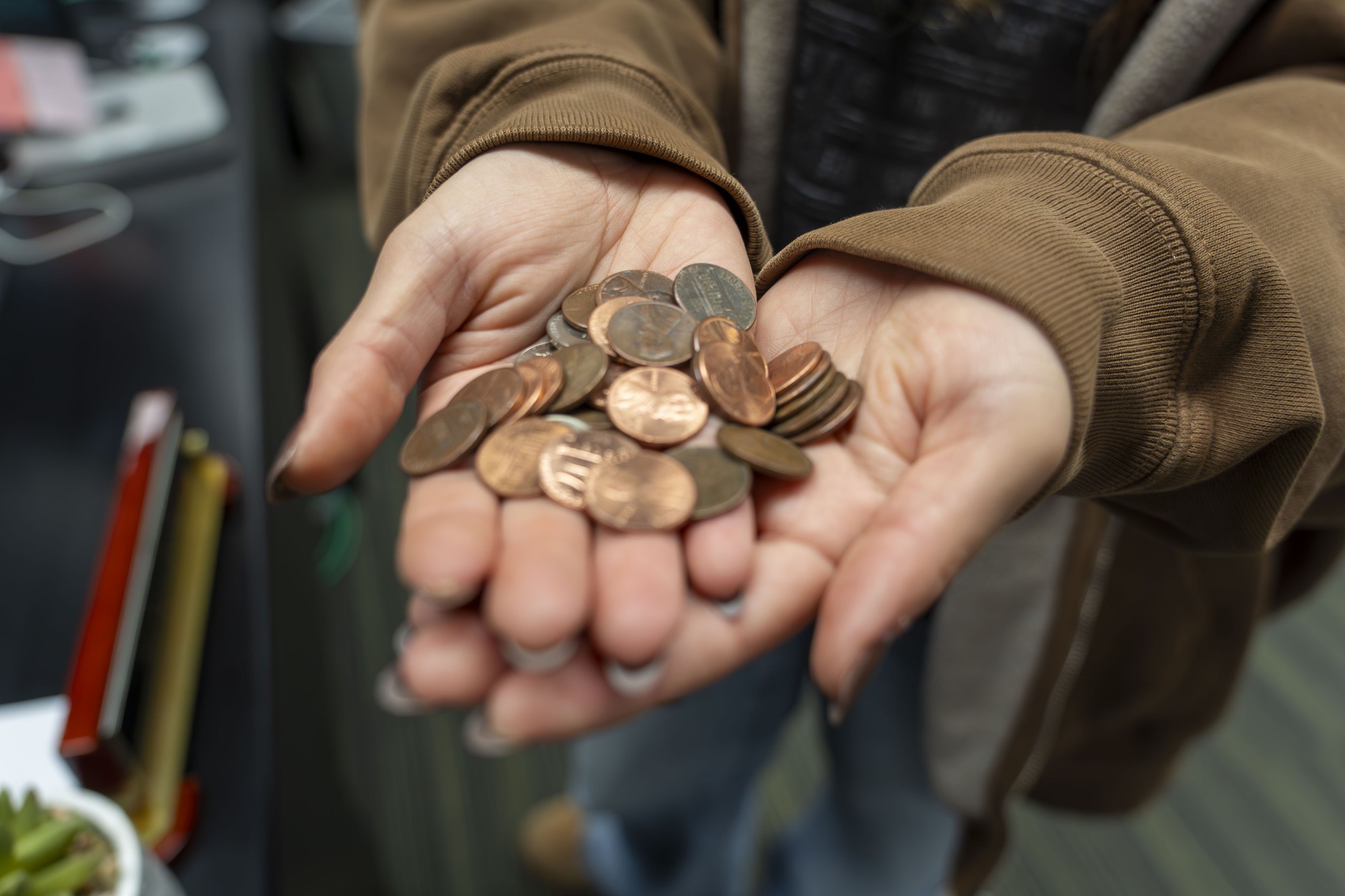
From lucky pennies to making every penny count, the penny has made its mark on America. But the iconic currency is facing its end as the United States Mint officially minted its last penny on Nov. 12.
The penny has been in circulation since 1793 and is one of the first coins the Mint created after its founding in 1792. In recent years, however, economists and consumers alike have begun to question the value of the penny and whether or not that value outweighs the cost of producing the currency.
Dr. Charles North, the dfirector of Baylor Business Fellows, said the penny has been endangered over the last 30 to 40 years, with policymakers making several arguments in favor of ceasing its production. The strongest argument, North said, was the actual cost of minting a penny.
“The materials are not worth more than a penny, [but] the cost of the materials, plus the process to create the coin is more expensive than a penny,” North said.
Additionally, the penny has slowly lost its monetary value over the years due to inflation, said Economics Graduate Program Director Dr. Finley Edwards.
“They are no longer useful in buying things [in] all the places that we use coins in a functional sense,” Edwards said. “Pennies have been mostly pointless for a long time.”
The value of currency naturally changes as the years go by, North said, especially with the Federal Reserve’s annual 2% inflation target.
“The value of currency has changed, and that is because of this sort of persistent inflation that we have every year,” North said.
Fans of the penny have nothing to fear, though, Edwards said, as already minted pennies will remain in circulation throughout the U.S. economy.
“We’ve stopped minting the penny [but] there are probably millions of pennies still in circulation,” Edwards said. “Eventually they will phase out, but that’s not happening anytime soon.”
If transactions come out to be a value that’s not a denominator of five, consumers may notice a difference in their receipts, although it likely will only be the difference of a few cents, Edwards said.
“We may start to see some stores … rounding to the nearest nickel or other denomination … but it’s not going to affect shoppers,” Edwards said.
North said the majority of shoppers likely won’t be impacted by this change, though. USA Today said this decision would likely affect only those who pay in cash, as the penny shortage continues.
“The volume of cash transactions is substantially lower today than historically because so many people pay with a card,” North said. “The fact that we have so many people using digital transactions makes it easier for them to get rid of pennies.”
Edwards has seen firsthand the indifference students and shoppers alike show toward the penny, aside from its physical form. Whether it will be missed can only be determined with time.
“I will drop a penny on the ground at the beginning of class, and I’ll have multiple sections come in and nobody picks it up,” Edwards said. “If it actually had something of value, you would have picked it up.”
