


By Alexia Finney | Staff Writer
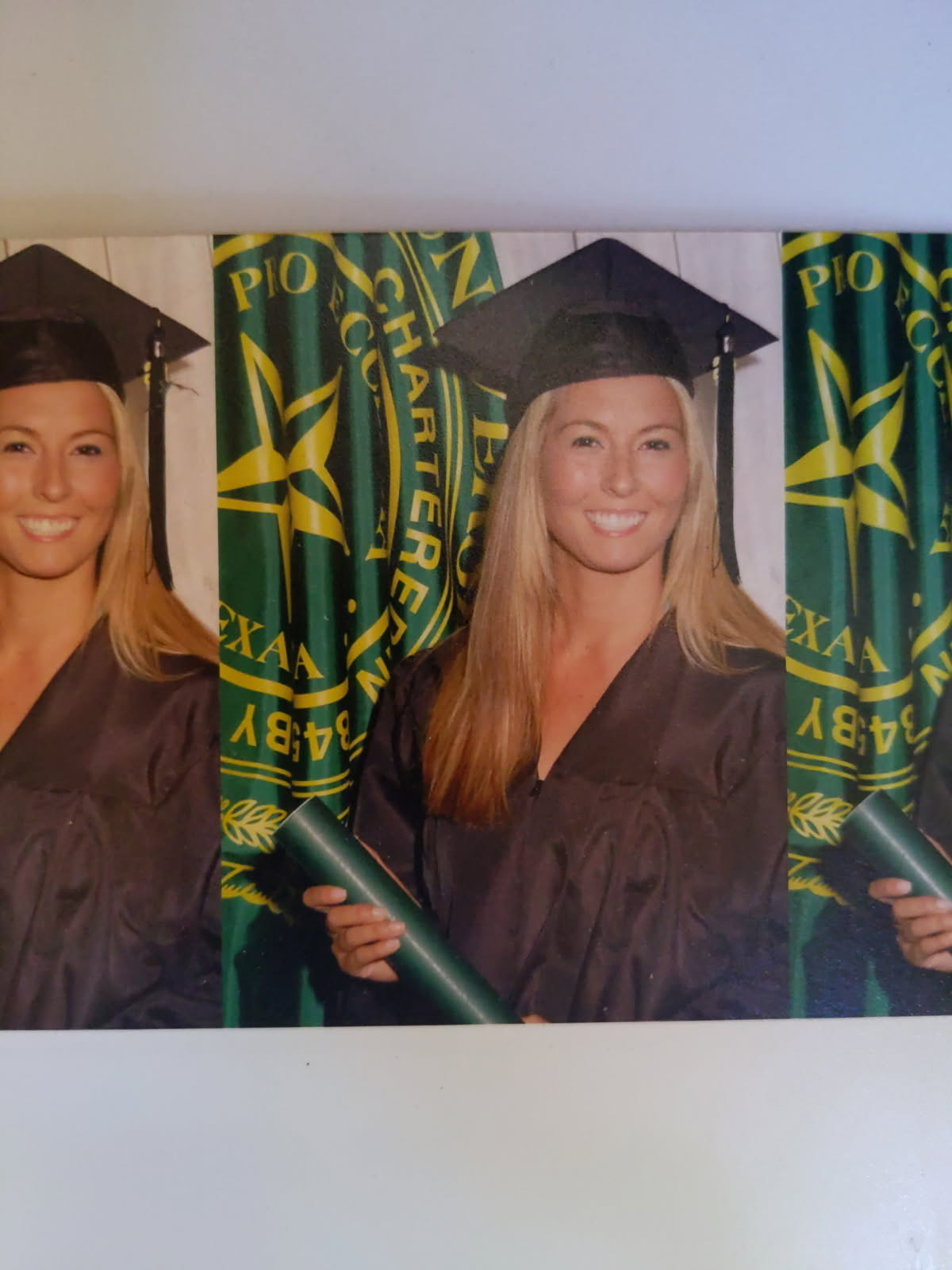
When former Baylor volleyball player Emily Huston stepped off the court for the last time and walked across the graduation stage, she entered a new world without the passion that had defined her life until then. Huston didn’t know who she was without volleyball.
Huston said her experience is universal, and athletes at every level face the same reality when they walk away from their sport, typically with no preparation.
Huston created HomeTeam, which is “the first centralized hub for athlete-centered care and community,” according to its website. HomeTeam was born to combat the loneliness athletes face after leaving their sport, Huston said.
For Huston, the transition from volleyball felt like suddenly stepping off a cliff, without the stability of familiar routines or an athlete’s identity.
“People think retirement happens in your 30s,” Huston said. “For most athletes, it happens at 18, 20, 22. You don’t expect to mourn something you’ve done your entire life that early.”
Former professional baseball player and now HomeTeam Associate Counselor Collin Runge said HomeTeam was created to fill an empty heart many athletes feel after retiring.
“HomeTeam was born out of the reality that athletes didn’t have a place to go once their career ended,” Runge said. “Whether it’s a sudden injury or the natural end of a season, that transition is jarring. We wanted to create a space where athletes can process, connect and grow rather than feel isolated.”
Runge spent four years playing professional baseball while simultaneously pursuing his master’s degree in mental health counseling. Runge said his experience drew him to work for HomeTeam and helps him connect with athletes.
“Balancing life as an athlete and a counselor-in-training gave me a unique perspective,” Runge said. “I could see firsthand how the pressures of competition bleed into life off the field, and how personal struggles can affect performance. That intersection of life and sport is exactly where HomeTeam provides support.”
Huston’s athletic journey helps her relate to retired athletes experiencing that same sense of loss. Huston said the stark contrast between playing a sport and retirement is alarming and not talked about enough.
“You’re used to having every day mapped out: practice, strength training, travel and competitions,” Huston said. “Suddenly, none of that is scheduled for you anymore. It’s not just a change in routine; it’s a shift in identity. When your identity has been so tied to your sport that can be incredibly disorienting.”
For many athletes, the challenge isn’t just about finding a new routine — it’s about navigating mental health. Runge said athletes are often expected to be stronger than they really are, constantly performing while hiding pain or doubt.
“There’s a necessity to be resilient, to push through injuries, fatigue or mental strain,” Runge said. “But when that performance mask comes off, athletes can feel lost. HomeTeam gives them a place to be honest, to ask for help and to explore who they are beyond the scoreboard.”
Runge said HomeTeam mirrors the camaraderie of a locker room he once experienced.
“Even though we’re all over the country now, it still feels like a locker room,” Runge said. “You’re surrounded by people who get it, the pressure, the highs, the lows, and that’s incredibly grounding.”
Both Huston and Runge said there is a need for universities to better prepare athletes for life after sports.
“Having a plan B is essential,” Huston said. “It’s not about being less committed to your sport. It’s about acknowledging that your athletic career is just one chapter. Preparing for the next chapter doesn’t diminish the first. It enhances it.”
For student athletes who are prepared — or unprepared — to retire from their sport, Huston said to be patient and appreciate the journey.
“The most important lesson I’ve learned is honesty with yourself, with your team and with your support system,” Huston said. “Combine that with patience and grace, and you can step into the next phase of your life without losing who you are.”
If you or someone you know is experiencing that falling-off-a-cliff sensation or fear of who you will become without your sport, contact HomeTeam and get connected.
