By Kamryn Anthis | Staff Writer
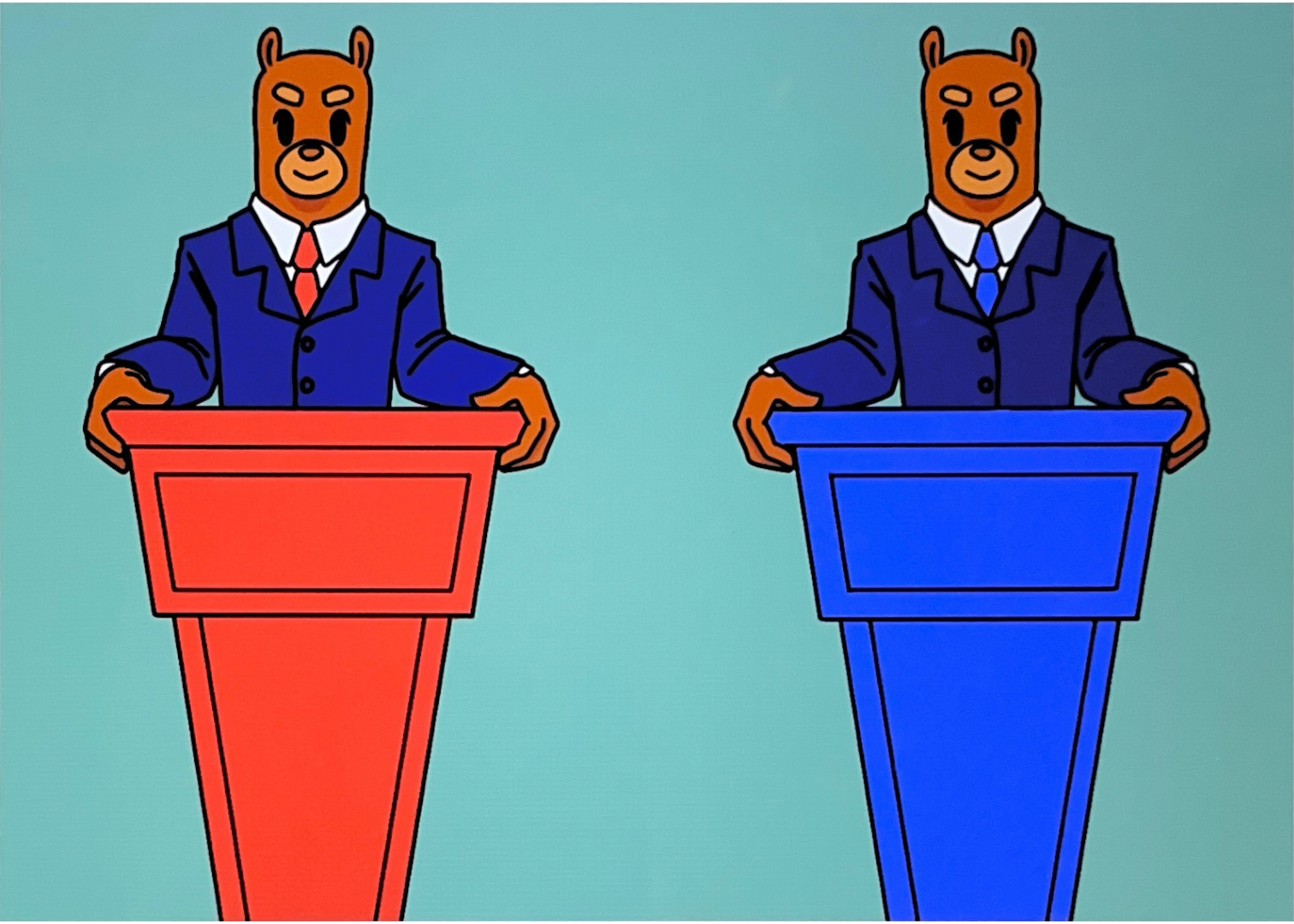
Political debates have long given candidates an opportunity to present their positions and distinguish themselves from their opponents. But as more candidates decline invitations to debate, the traditional campaign forum may be becoming less common.
Incumbent or better-known candidates may have less incentive to participate in debates because doing so gives their lesser-known opponents an opportunity to build name recognition. This trend is evident in the midterm elections, with Democrat candidates James Talarico and Gina Hinojosa requesting debates with Republicans Ken Paxton and Greg Abbott, respectively, but receiving no response.
With many politicians refusing or ignoring debate requests, Dr. David Bridge, an associate professor of political science, said candidates are becoming more “risk-averse.”
“Typically in debates, not many minds are changed unless a candidate does something stupid, and they lose votes,” Bridge said. “I think that they’re more afraid of themselves doing something stupid rather than their opponent, so both sides just avoid it.”
In the last midterm election, only nine of the 34 elections did not have a debate scheduled. This election season, however, 21 of the 35 elections have no debate scheduled. Dr. Patrick Flavin, chair of political science, said this isn’t ideal, but it is becoming the norm.
“I think the percentage of Senate races that have had a debate is lower now than if we looked 10 years ago,” Flavin said. “I think that’s unfortunate, but I don’t see it changing.”
A 2019 study by Stanford’s King Center of Global Development found that watching debates may increase political literacy, but it has little effect on which direction people vote. Still, Flavin believes the absence of debates in these midterms hurts voters.
“I think the voters are losing out on something when candidates just have a sort of blanket refusal to debate,” Flavin said. “They’re trying to avoid a short soundbite where they misspeak, or they say something controversial.”
Debates, Flavin said, offer a unique opportunity for voters to see candidates present their positions in a setting they do not control.
“It’s one of the few forums anymore where you have candidates in the same room being asked questions not of their own design but of a hopefully nonpartisan moderator,” he said. “They have to think on their feet a little bit, and they have to show that they can respond to follow-ups.”
Debating is a skill that must be performed effectively to positively affect a campaign. Nevada freshman and Baylor debate team member Adam Krikorian said presentation is key.
“People tend to discredit the kind of ethos of debates, and I think ethos is probably one of the most important parts, if not the most important part of debate in general,” Krikorian said. “Even if what you’re saying is true, if nobody cares to listen to it or if nobody’s persuaded by what you’re saying, there’s no point, and what you’re saying doesn’t really say anything.”
The 2024 presidential debates between Donald Trump and Joe Biden, and later Trump and Kamala Harris, offered a different style of debating than previous presidential elections. Trump often challenged his opponents’ claims rather than focusing on presenting his own. Krikorian said this approach may not be the most effective method.
“Another very important thing, especially in the context of political debate, is civil discourse,” Krikorian said. “Something that is most important … and a good way to get good ethos, is to understand how to discredit someone without necessarily attacking the character of the person.”
He said political debates can help voters understand the character of the candidates they must choose between and may help people find common ground.
“When you debate civilly, it also allows everybody to kind of reach common understandings and understand what each party’s talking about,” Krikorian said. “I think that’s also one of the most important parts of having debates, especially in a political context where things tend to be more controversial.”