


By Giselle Lee | Staff Writer
Ramadan is the Muslim holy month of fasting during which Muslims across the world abstain from eating or drinking from sunrise to sunset. After evening prayer, Muslims break their fast with Iftar.
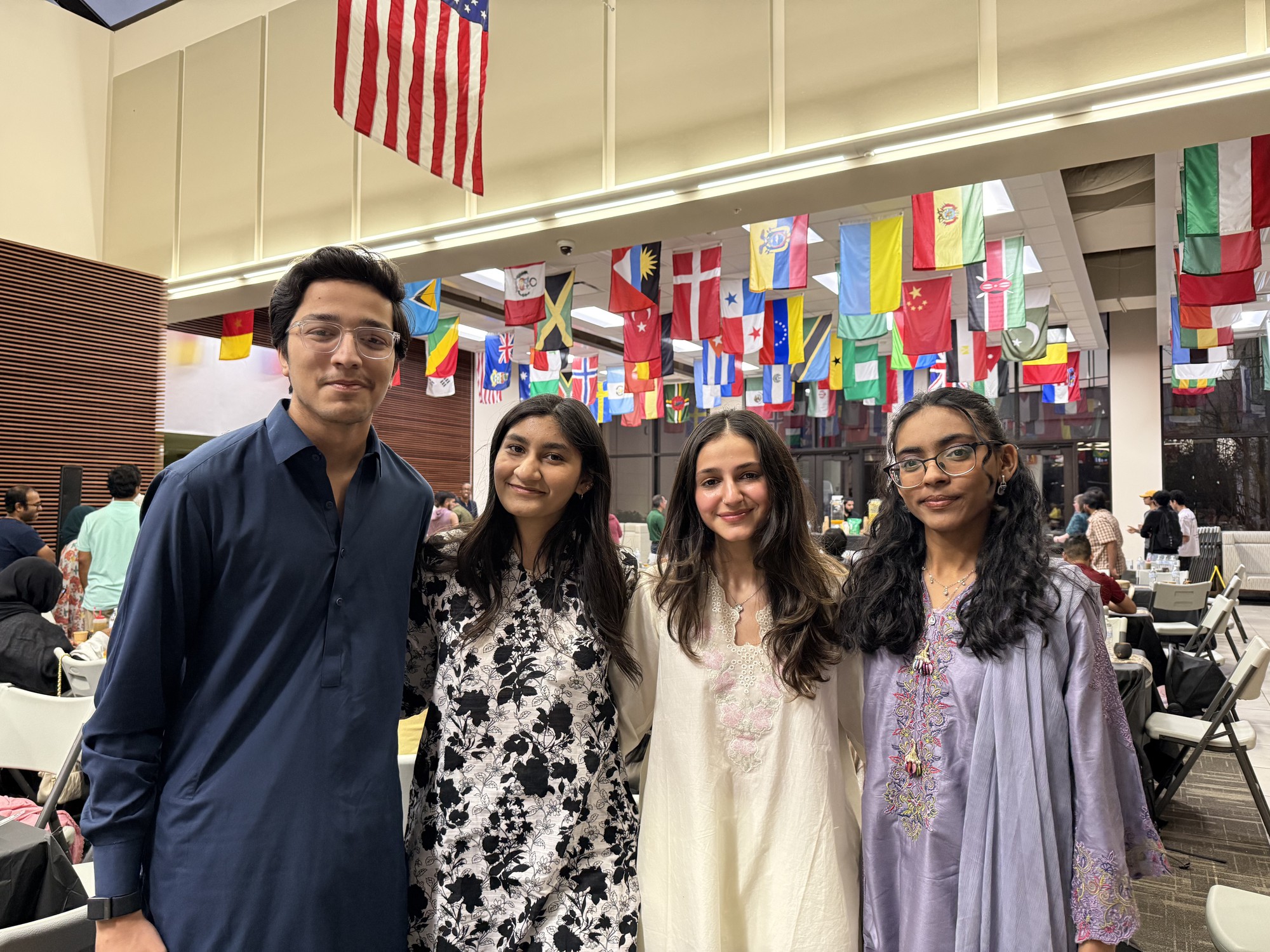
Intercultural Engagement and the Center for Global Engagement hosted a special Iftar event aimed at gathering students that observe Ramadan to celebrate Friday night.
Iftar is an occasion accompanied with food, family and friends. However, students who observe the religious holiday at Baylor are often far from home, which prompted the Intercultural Engagement department to organize the event.
Better Together President and Houston junior Susan Ismail, worked closely with the Intercultural Engagement to ensure students with various Ramadan traditions were represented through the event.
“For the Muslim students here, they’re mainly from specific countries, so we get these specific foods or specific customs to make it feel more homey and cozy,” Ismail said.
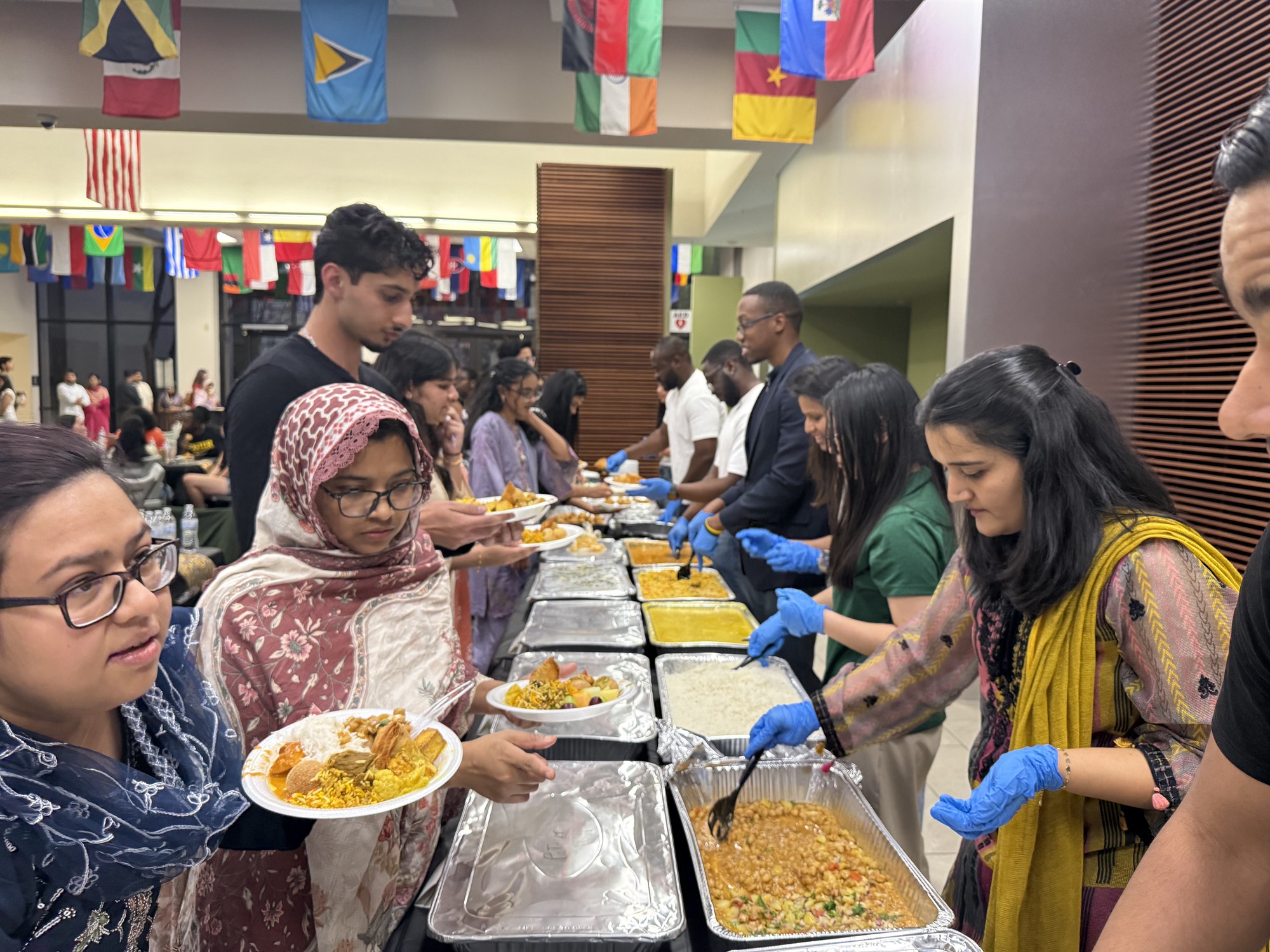
Traditionally, those observing Ramadan break their fast by eating three dates to emulate the way the prophet Muhammad broke his fast. Ismail noted the importance of Iftar to students in becoming a “better person” through fasting.
“While we’re fasting, it’s a time of reflection, meditation, charity, growth, just becoming a better person,” Ismail said. “By the end of the month, you’ll notice a difference in yourself.”
Pakistan freshman Alizeh Ghuman said it was nice to celebrate Ramadan with people who “think the same and feel the same.” She emphasized how shared experiences and upbringings helped her build friendships with other Muslims.
“It’s nice to celebrate something that unifies you,” Ghuman said. “It’s great confide in people or have people around you who at least think the same or have the same beliefs and have the same cultural aspects.”
Ghuman also commended Baylor for giving students the freedom to represent their culture and religion in a welcoming environment.
“The little details that Baylor looks into mean a lot because I haven’t been able to wear my cultural attire since I’ve been here,” Ghuman said. “Even if they have an event like this, it’s not just for Muslims. Anyone can come. It brings everyone together.”
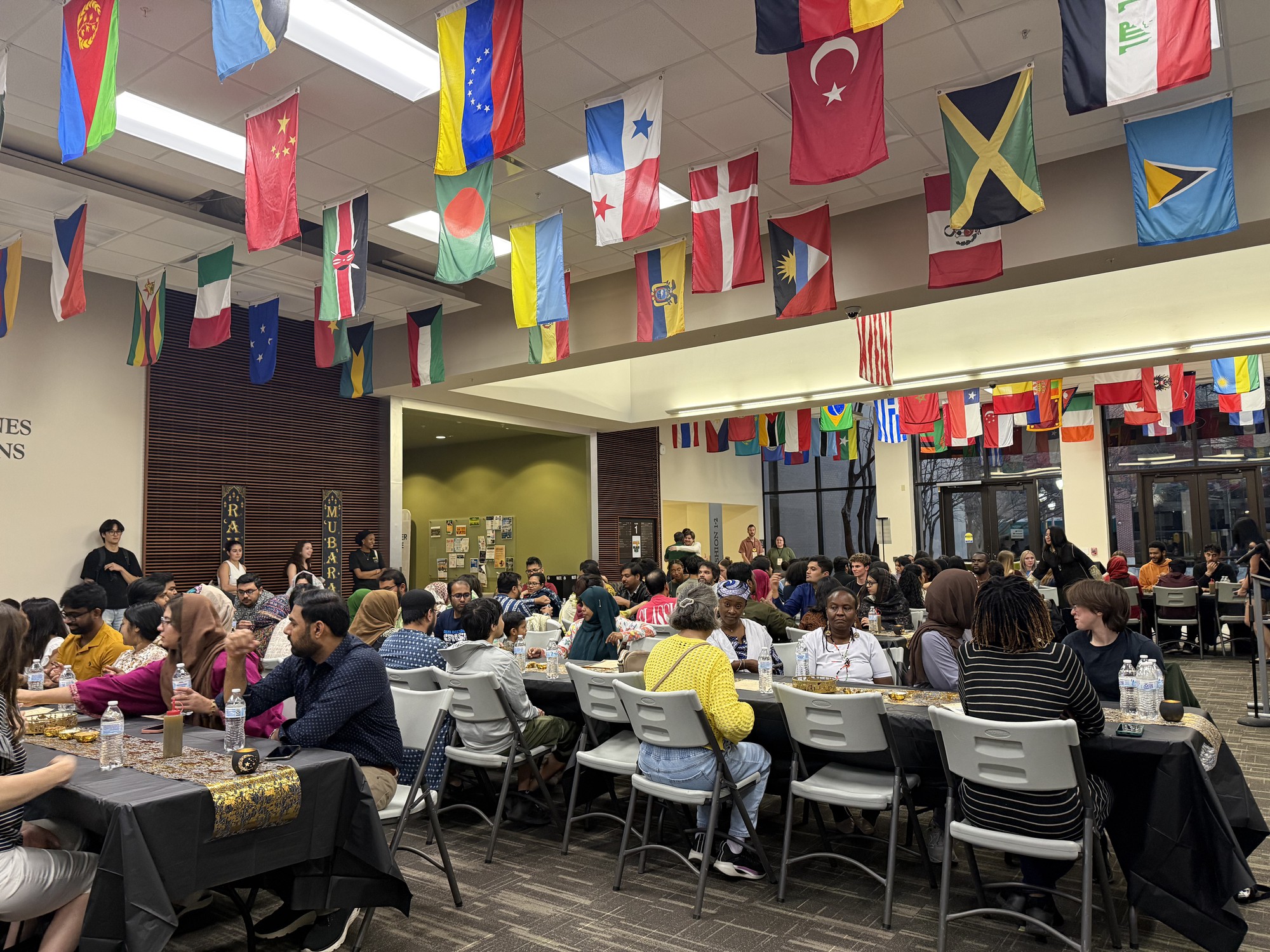
Andre Baesa, lead coordinator of Intercultural Engagement, said the event prioritized “appreciation and respect” for people who have different religious beliefs.
“I think for me, it’s about appreciative knowledge,” Baesa said. “It’s important to have events like this to show those who are Christian that this is a part of the Baylor mission statements; educating men and women for leadership and service, integrating academic excellence and Christian commitment within a caring community.”
Baesa said he hopes this event can spark more conversations over cultural and religious respect amongst students at Baylor, even if they can be challenging topics to discuss.
“I try to be as uncomfortable as much as possible and try to encourage that in my students to a certain extent,” Baesa said. “That’s where growth happens and where discomfort or cognitive dissonance occurs. College is a time to experience new things.”
Ramadan began Feb. 18 and will end March 19. Students interested in purchasing ready-made Iftar boxes while observing Ramadan can fill out the interest form found on Better Together BU’s website.
