By Mia Martinez | Reporter
From the moment a third grader who once hated math rushed to her classmates, showing how she could write her numbers from one to 10, Waco junior Kathryn Willis saw firsthand the impact she has on students.
Despite only being in local classrooms for three hours every morning, Willis helps teach students who are either behind in a grade level or receiving special education services. One of Willis’ students is a third grade girl who surpassed her goals for the year in just two months.
“She used to not like math at all; it would be a kind of fight to get her to want to work, but then she would be so happy to do it and she would love it and she would want to do more and more,” Willis said. “That was something I liked seeing because I realized we do have a big impact on these students’ lives, their education and what they’re learning.”
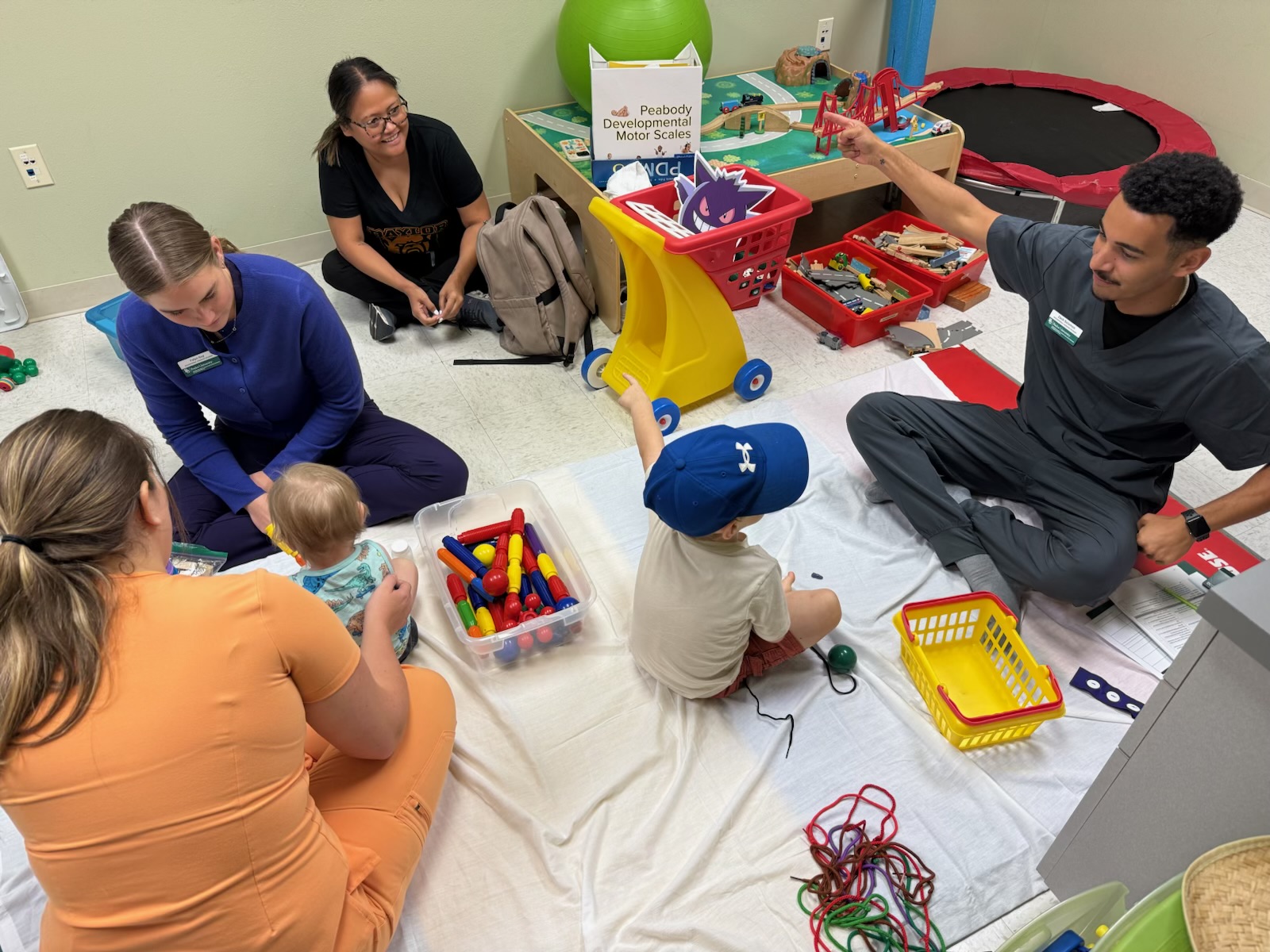
Through the Baylor University Moody School of Education’s Department of Educational Psychology, students start interning from the moment they enter Baylor, receiving opportunities for immediate exposure to the classrooms from grades K-12.
Dr. Lisa Plemons, a lecturer in the Educator Preparation Program, said these internships prepare students for working with both specific grade levels and general education.
“I feel like giving students the opportunity to get in the classroom as soon as possible gives them the opportunity to learn and experience the classroom,” Plemons said. “There are students with disabilities in every classroom, even the general-ed classes, and having these experiences helps not only [them] but the students in helping them succeed.”
Willis noted there are some misconceptions from people outside of the field about what actually happens inside a self-contained special education classroom. She’s heard others call it “babysitting,” but describes her experience as the opposite.
“I think it depends on the special education classes, but a lot of people think, unlike self-contained life skills and functional academics classes, that we’re learning very easy skills and we’re not going to be doing high school commencement or not be doing the same exact things,” Willis said. “You are still a teacher. You are still teaching things to them.”
Willis also said there were challenges associated with being in the special education classroom while returning to the classroom as a Baylor student.
“My whole cohort, I know a lot of us highly rely on our Outlook or Google calendars,” Willis said. “We try to bounce off each other on ideas and lesson plans together. [We] have similar students.”
Plemons also said seniors often take a step away from Baylor, as they are in the classroom all day, every week. She encourages them to continue to experience the great parts of senior year at Baylor and still attend the “big events.”
Willis said that even though becoming a teacher with this specialization is a lot of work, she is prepared because of Baylor and the program it provides.
“I feel very prepared to be a teacher in the outside world after Baylor, even though I’m only a junior,” Willis said. “Next year, I get full-day teaching, and I know I’m going to feel even more confident about it. There is a lot of time to practice, and there is a lot of support.”
Willis also offered advice to students who are interested in working with children in special education.
“I think being nervous to go into the classroom the first time is OK [because] this is really what I want to do the whole rest of my life,” Willis said. “It’s a good nervous. It’s because you’re excited and you are ready to be in the classroom.”