By Hannah Webb | News Editor
Baylor’s updated Annual Fire Safety and Security Report shows increases in reported motor vehicle thefts, rapes, liquor law citations and stalking in 2025, but university officials say understanding what those numbers represent is essential to reading the report.
The 2026 report includes statistics from 2023 through 2025, along with safety policies and resources. Published under the federal Clery Act, it covers certain reported crimes within campus property, qualifying properties Baylor owns or controls and immediately adjacent public property. Universities must notify their communities of its availability by Oct. 1 each year.
“Statistics within this report generally reflect the number of criminal incidents reported to various authorities,” the report states. “These statistics do not reflect convictions of guilt.”
A qualifying incident can be counted based on an anonymous or third-party report, even if the person affected never responds to university outreach and no follow-up occurs, Director of Clery Compliance Chris Charanza explained. Inclusion does not establish that an allegation was substantiated or someone was found responsible. Anonymous reports may also cause unavoidable duplication, according to the report.
“So it’s just a snapshot of what we have coming in for those categories,” Charanza told The Lariat.
On Baylor’s main campus, reported rapes increased from 10 in 2024 to 11 in 2025, aggravated assaults rose from zero to two and stalking reports increased from 67 to 70.
Charanza said outreach, training and awareness of available resources may encourage people to report incidents.
“They feel comfortable with our processes that we have in place that they’re willing to come forward and report these issues,” Charanza said.
Reporting also allows university support services to respond, he said. The statistics alone do not establish whether increases reflect more incidents, more reporting or both.
Stalking reports can involve conduct that does not necessarily align with the conventional image of someone being followed or watched through a window, Charanza explained. Repeated unwanted visits to a residence hall or attempts to contact someone through a roommate can contribute to a report.
The conduct must involve two or more acts that would cause a reasonable person to fear for their safety or experience substantial emotional distress. At least one act must occur within Baylor’s Clery geography, according to Charanza.
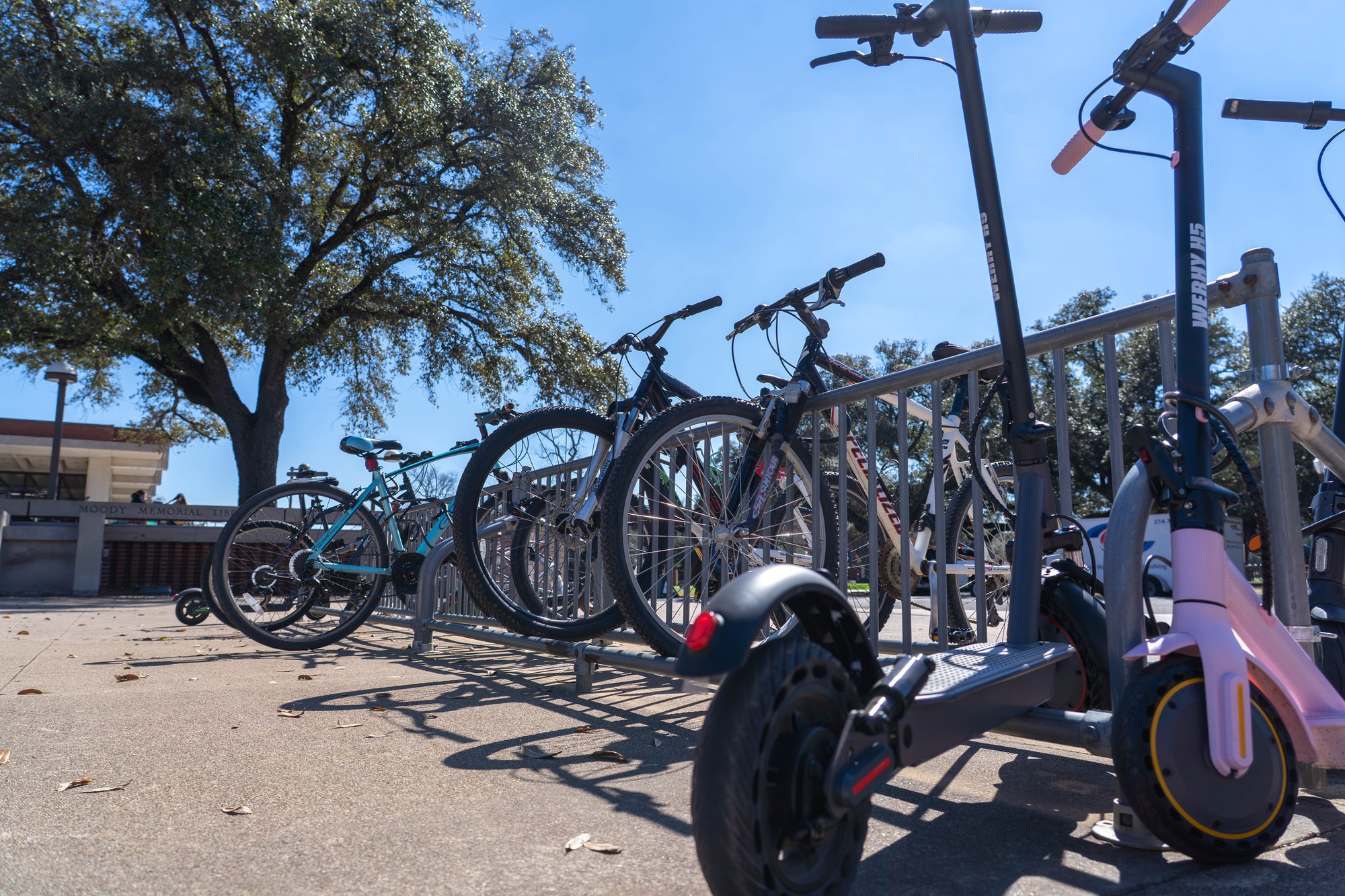
Reported motor vehicle thefts increased from 23 to 37. The category includes electric scooters, motorized bicycles and e-bikes, according to the report. Charanza connected theft concerns to the growing availability of those devices.
“It’s all about being proactive with your property, locking it, double locking and doing what you need to do to keep it from being taken,” Charanza said.
Liquor law, drug law and weapons offense statistics count people arrested or referred to campus student conduct authorities. On-campus liquor law arrests rose from 68 to 78, while disciplinary referrals increased from 23 to 28.
All 78 arrests were recorded in student housing. Charanza said these reflected citations for underage possession or consumption; an arrest in Clery statistics does not necessarily mean someone was taken to jail.
Other categories declined. Burglary reports fell from 22 to 18, dating violence reports decreased from 26 to 22 and fondling reports dropped from five to zero.
Beyond the statistics, the report outlines crime prevention programs, reporting options, emergency procedures, sexual misconduct resources and fire safety policies. It also includes separate statistics for other Baylor properties like the Louise Herrington School of Nursing and Baylor in New York, all of which had zero occurrences for crime and safety.
“As a whole, it’s a resource-packed, 82-page booklet of just the information that you may need,” Charanza said.
He said that information is available to faculty, staff and students and “can be found easily and readily when you need it, if you need it.”
Baylor spokesperson Lori Fogleman emphasized the community’s role in campus safety.
“Creating a safe and welcoming campus at Baylor is a shared commitment among every member of our community,” Fogleman wrote in a statement. “By understanding the policies, resources, training and available support services outlined in the annual report, each of us can help foster a campus environment that contributes to the well-being and success of all students, faculty and staff.”