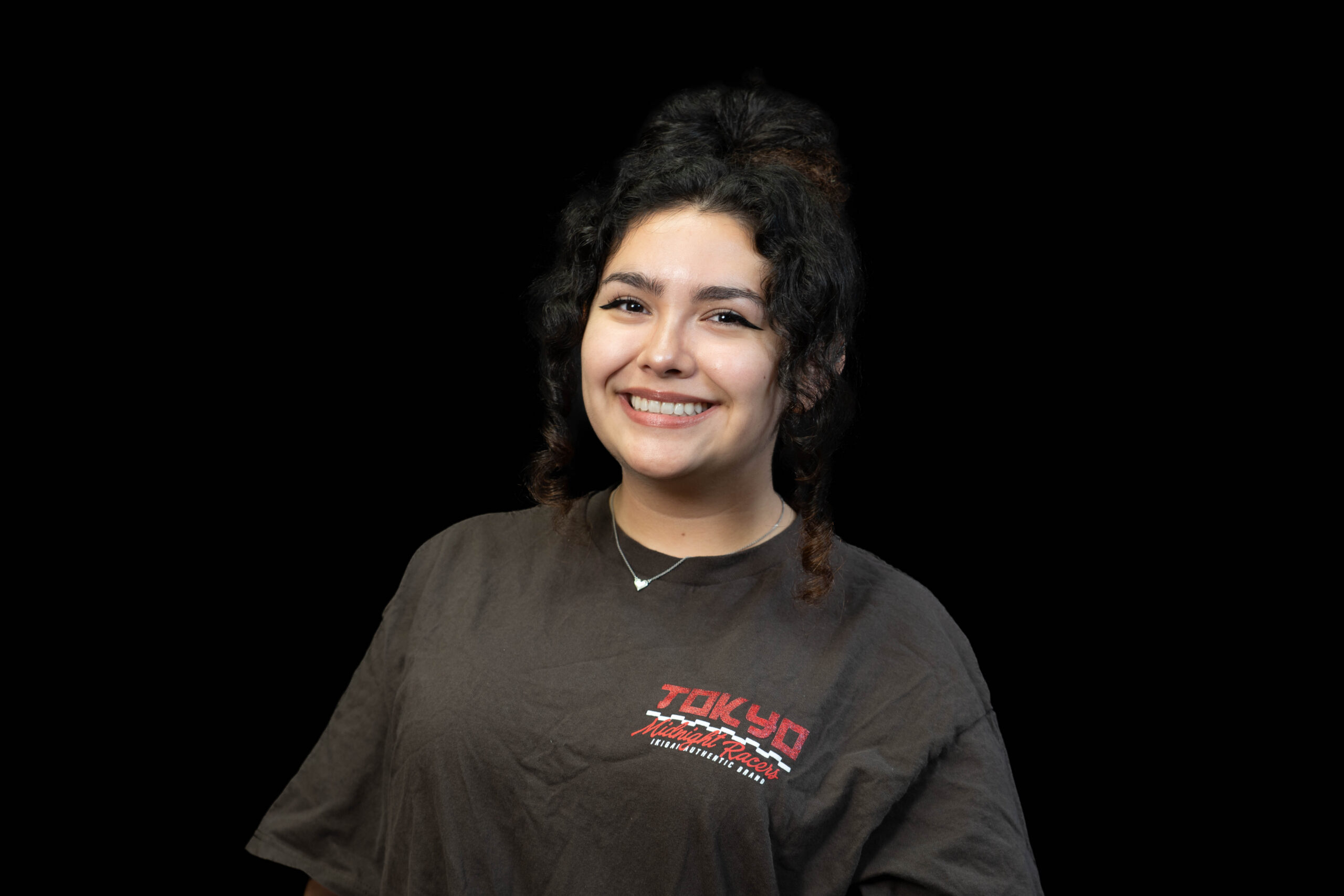
By Mady Mijares | Photographer
In 2024, I developed vision and color loss in my left eye and lost feeling in my arms down to my fingertips, torso, legs and feet. Anytime I moved my head to look down, it felt like sticking my entire body into an electrical socket any time, sending pins and needles down my appendages.
Each year, there were new symptoms, new conditions, new unknowns to why I looked normal, but felt indisposed. I met with countless doctors: neurologists, optometrists, cardiologists and orthopedics. My bloodwork looked great, all I had was a small vitamin D deficiency. I lived constantly being told nothing was wrong with me.
I looked fine. You wouldn’t have been able to tell I was living through a Multiple Sclerosis (MS) flare up.
Living with invisible symptoms is a painful and exhausting experience. In order to cope with them, I lived unknowingly masking the symptoms. I blamed my fatigue and cognitive challenges on late study nights and work. Constantly saying I felt sick became exhausting — for everyone.
Again and again, I received the same statement and confused looks after people learned about my condition: “But you look fine, you don’t look sick?”
I believe this is the leading reason why so many patients are overlooked, misdiagnosed and under-diagnosed. What many people fail to understand is on the outside we may appear “fine,” but on the inside, our bodies are screaming for help.
Chronic diseases are the leading cause of illness, disability and death in America. The CDC most broadly defines them as, “Conditions that last 1 year or more and require ongoing medical attention or limit activities of daily living.”
Since chronic illnesses and autoimmune disorders affect so many people, you might assume there would be a cure or understanding as to where they come from. The unfortunate reality for MS and other chronic conditions however, is that the understanding of them is very limited. While there are various medications and therapies to help alleviate the symptoms, they are no cures.
I always asked why I couldn’t have been born normal, healthy and with a brain not covered in lesions.
I felt hopeless. I didn’t understand why I had to be in the 0.04% of the global population with this disease.
Never ending MRIs and blood work gave new or no answers at all. The emotional turmoil after learning what my disease was stained me permanently; it left me confused with questions and no understanding. I was never given an answer to why this disease attacks the brain, eye, neurons and spinal cord.
The average age of diagnosis is mid to late 30s. I was 19.
Life after being rushed into the emergency room a week before graduation looked very different. Plans for university were changed and treatment decisions became my biggest concern. Wrapping my head around using chemotherapeutic drugs that would deplete my immune system petrified me.
Through my medical journey, the biggest lesson I learned was: you have to be your biggest advocate.
I struggled with this immensely, but it was the best thing I could’ve learned. Chronic illnesses need more light shed on them, more voices need to be heard and compassion in the medical field needs to be extended to those with unexplainable invisible symptoms.
I am not broken, I am not unfixable, I am not cursed with this disease.
I know what it feels like to look fine and be in desperate need for someone to finally realize I wasn’t.
MS is a part of my story, and I am here to tell it. This disease will not prevent me from completing my Biomedical Engineering degree nor prevent me from contributing to research that could one day give patients like me better answers.
I can’t change the diagnosis I was given at 19, but I can change the approach to understanding and living with chronic illnesses. For years, my symptoms were overlooked and I was told I looked fine; however, invisible illnesses do not become less real just because they cannot be seen.