By Anne Wall | Reporter
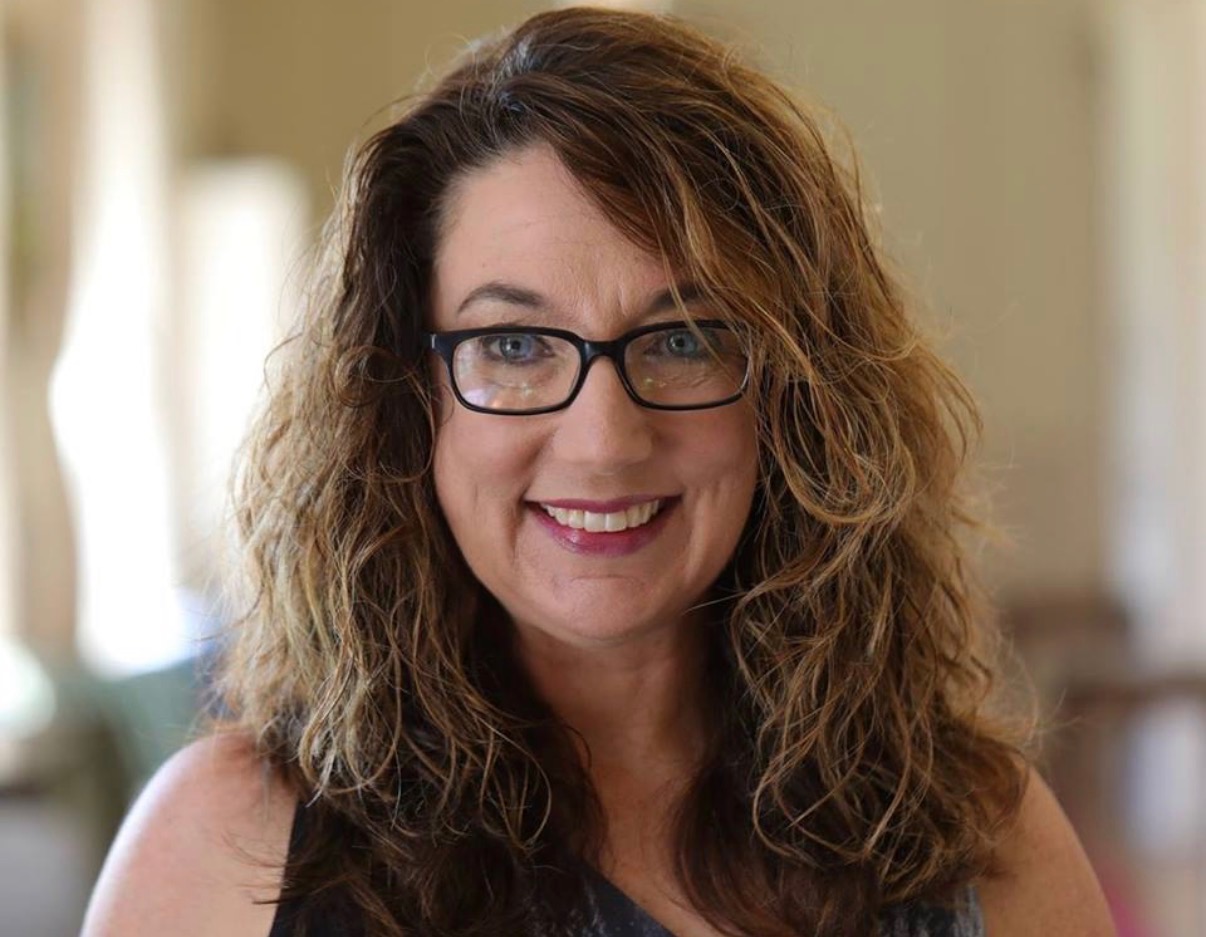
Everyone makes a statement with what they wear, according to Associate Professor of Apparel Design and Merchandising Dr. Lorynn Divita — even when they don’t say a word.
“You can be standing in a corner silently, but your clothes are screaming who you are,” Divita said.
In Divita’s fashion forecasting class, which she has taught since 2011, students learn about more than whatever style may be in or out next season. They examine current events, human behavior and history to understand the “why” behind what people wear.
Divita, who has taught at Baylor since 2002, said fashion forecasting is one of her favorite subjects to teach. She has also written her own textbook on the subject, published by Bloomsbury Academic.
In the classroom, students analyze the zeitgeist, or the spirit of the times. Events, social groups, attitudes, ideals and technology all influence the products that people buy. Looking at fashion through those connections, Divita said, can reveal patterns that might otherwise go unnoticed.
“Once you start noticing that everything really is connected, you’re able to see things other people can’t see,” Divita said.
San Carlos, California, senior Caitlynn Reynolds said Divita’s class made her more aware of pop culture and current events and how they connect to fashion.
Waco senior Emily Winkleman said Divita also uses her professional and personal experiences to help students connect their lives outside the fashion industry to what they study in class.
“We learn so much not just about the fashion industry, but about the world and what’s going on in the world at the moment,” Winkleman said.
Those connections also challenge the notion that fashion is a trivial subject to study. Divita said fashion forecasting is a study of psychology, sociology, anthropology and economics.
“The biggest misconception about our subject in general and fashion in general is that there is no theory behind it, but actually, clothing is behavior,” Divita said.
Divita’s approach to teaching has also been shaped by the people who taught her.
She said one of her teachers, Gail Goodyear, recognized potential in her that Divita had not yet seen in herself and encouraged her to pursue graduate studies at the University of Missouri. There, Divita met another mentor, Kitty Dickerson, before pursuing a doctorate at the University of North Carolina at Greensboro.
Divita said she acknowledges her mentors in her books and teaching because their influence helped shape the professor she would become. In particular, she tries to give her own students room to speak up, ask questions and be wrong.
“It takes courage to admit you don’t know something,” Divita said. “But if you do that, you give yourself the opportunity to learn something new.”
Divita said she tries to prepare students to not only be forecasters but also well-rounded and ambitious learners.
“I think it’s important that we fail safely and understand that we can try and maybe be wrong, and it’s not really a big deal,” Divita said.