


By Tripp Henderson | Staff Writer
If you haven’t heard about them from your “Fixer-Upper”-obsessed aunt, you have probably seen them on your living room TV. Baylor alums and longtime Wacoans Chip and Joanna Gaines have become a defining part of Waco culture. Their brand, Magnolia, has helped transform the city into a national tourism destination.
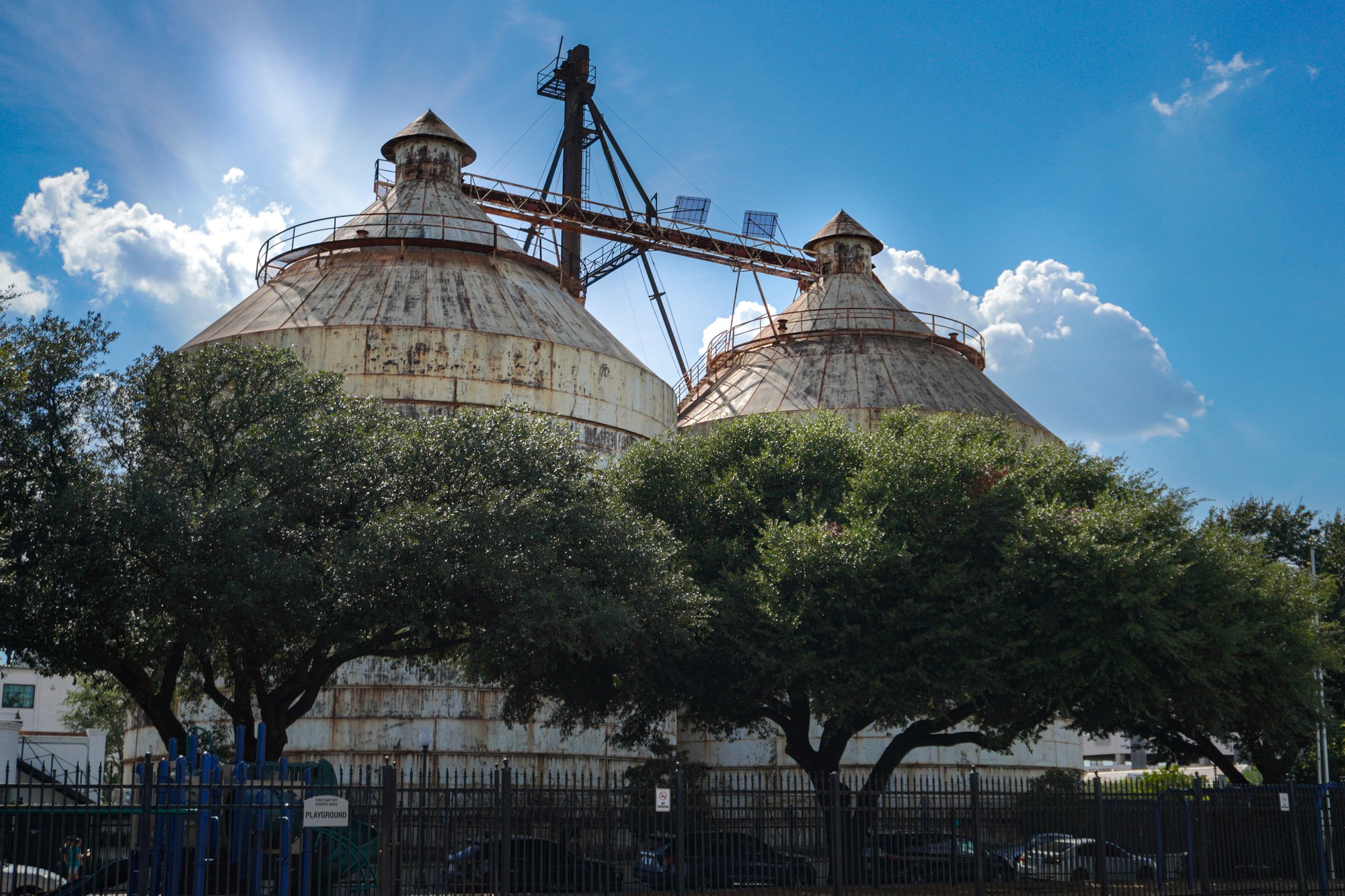
Before the Gaineses took the world by storm with their hit show “Fixer Upper,” Joanna opened the original Magnolia Market in 2003. In 2015, the Gaineses opened the current Magnolia Market at the Silos, and their impact has been felt across Waco since.
Bristol, Maine, freshman Julia Deitrick said Magnolia has helped redirect Waco.
“I think the company as a whole has made a really big impact on the Waco community,” Deitrick said. “Waco was not headed in the best direction, and because of the Magnolia brand, and that being such a central part of the community, that has helped refocus the city as a whole.”
The numbers tell part of that story. According to the City of Waco, approximately 789,000 tourists visited Waco in 2015. Just one year after Magnolia Market at the Silos opened, that number climbed to over two million.
The tourism boom has also brought more money into the local economy. According to WestLand Realty Group, Magnolia’s “annual economic contribution is at about half a billion dollars in gross product and credits it with supporting several thousand jobs across direct, indirect, and induced employment.”
Magnolia became one piece of a broader downtown resurgence, as local business owners and investors turned underused properties into retail spaces, restaurants and coffee shops.
Corey McEntyre is the chef and owner of the popular Waco restaurant, Milo All Day. He started his restaurant as a food truck at Magnolia at the Silos.
McEntyre said the economic growth and tourism Magnolia brought to Waco helped mitigate some of the risk of opening a business. He said the growth has allowed entrepreneurs to pursue ideas ranging from coffee shops and restaurants to tourism companies.
“I think that it’s given people a lot of hope,” McEntyre said. “… It’s just given so much more trust in the local economy and for what can be accomplished.”
Longtime Wacoan and Baylor history professor Dr. Stephen Sloan echoed a similar sentiment.
“They say a rising tide lifts all boats,” Sloan said. “I feel like it’s done that for a lot of small businesses and Baylor.”
Waco has long struggled with being over-identified with negative moments in its history, Sloan said, but Magnolia has helped shift the city’s national image.
“It’s definitely changed the perception of Waco in the eyes of people outside of Waco,” Sloan said. “It’s given Waco a different kind of brand.”
With that changing image, Sloan said understanding other parts of Waco’s history is still important.
“The richness of history is in the multitude of perspectives that inform the texture of what it means to be a place,” Sloan said. “… I think you can be limiting to truly understanding the rich history of a place if it’s just one aspect you’re interested in.”
That transformation has not come without concerns. Researchers and community members have examined how Waco’s growth has coincided with gentrification, increasing property values and displacement pressures, particularly for lower-income residents.
Research from the University of Texas at Austin published on Medium.com found the median home value in Waco increased by 30% during Fixer Upper’s peak years, 2015 to 2018.
Jimmy Dorrell, who came to Baylor in 1968 and has spent decades working with Waco’s lower-income residents, said gentrification has created challenges in Waco but cautioned against placing responsibility solely on Magnolia.
“It is true, gentrification has caused some challenges for the poor, no question about it, but that’s a city problem,” Dorrell said. “And to singularly blame [Magnolia] is wrong.”
Dorrell pastored Church Under the Bridge for 33 years. The congregation gathers weekly under Interstate 35, right next to Baylor’s campus, for service.
Magnolia has partnered with Church Under the Bridge on numerous occasions, Dorrell said, including hosting its gatherings at the Silos while the congregation temporarily relocated during construction on Interstate 35.
Whether people view Magnolia’s influence positively or negatively, Dorrell said the company has not only placed Waco on the map but also helped change the city’s identity.
“When [people] hear of [Waco] now with Chip and Jo, it’s positive, it’s economic development, it’s caring for people with their philanthropy,” Dorrell said. “I think Waco has rebranded because of them.”
McEntyre described Magnolia as a “cultural phenomenon” whose impact extends beyond Waco’s economy.
“I think that their national impact has been because of who they are, and I think it gives people a reason to be better to their partner or better to the people around them because they see [The Gaineses] on a national scale doing it authentically,” McEntyre said.
McEntyre said he believes Magnolia’s lasting impact will be encouraging people to “swing for the fences and create spaces that are welcoming and inviting and that are for everyone.”
