





By Juliana Vasquez | Staff Writer
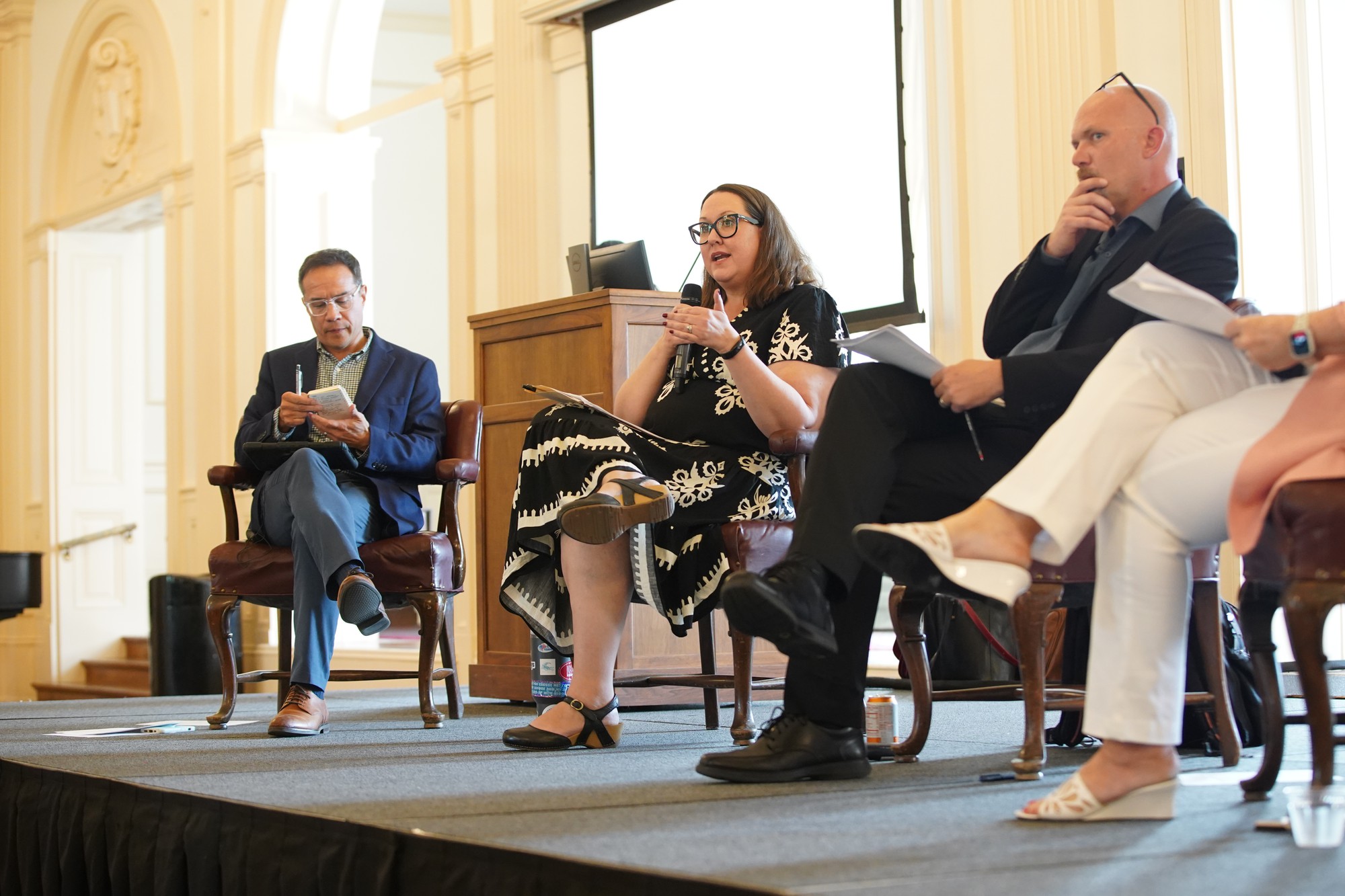
Panelists gathered on the top floor of the Student Union Building to discuss political violence in America Wednesday afternoon. With green chairs positioned in neat rows and fancy leather chairs fixed on stage, Baylor professors were interviewed by Dean of Intercultural Engagement and Division Initiatives in Student Life Dr. Kevin Villegas.
“This Matters” is a program run by the Department of Intercultural Engagement to create open learning environments that expose students to different viewpoints. The program died down following the COVID-19 pandemic, but following the assassination of Charlie Kirk and the recent wave of political violence in America, the department felt now more than ever was a time to bring “This Matters” back to campus.
“We want to briefly explore the history, causes, consequences and responses to political violence in the U.S.,” Villegas said, overviewing the panel’s discussion. “We want to role model and promote critical thinking, civil discourse and shared understanding. And lastly, we want to provide trusted expert insight, clear historical context and tools for informed civic engagement so that we can positively address the matter.”
The panel opened with a broad question asking what the most important factors are to consider when regarding political violence in the United States. Dr. Rebecca Flavin, senior lecturer of political science, said the first problem with addressing political violence is the fact that there isn’t an agreed upon definition of what political violence is.
“The United Nations doesn’t have an internationally agreed upon definition of terrorism,” Flavin said. “Definitions do matter, and making sure that we’re talking about the same thing is the first piece of difficulty that scholars encounter.”
The definition scholars settle on is that political violence is the use of collective violence aiming to achieve a political goal. However this definition itself is still contested.
Dr. Scott Varda, associate professor of communications, said the best way to combat political violence is engaging in conversations with people within and outside one’s own political ideologies.
“We have to have dialogue with people in person, engage people outside of your political sphere, a systematic investment in prevention, the reduction of online polarization and a reduction in the persuasiveness of online propaganda campaigns … are all vital in effectuating the change,” Varda said.
An audience question asked how we could rebuild trust in the American system, especially during times of political violence and polarization. Sharon Gripp, senior lecturer of journalism, public relations and new media, said finding trusted media sources is the foundation of rebuilding trust in the system.
“We’re living in a time when the media is the most distrusted that it’s ever been before, and there are so many different media companies out there, so you have to be very mindful about where you’re getting your information,” Gripp said.
When it comes to looking to the future, Gripp said it’s on the students’ generation to invoke change in the political system.
“It’s your generation to change the tone and tenor in our country, to create more opportunities for discussion, to not be afraid to share your ideas, your opinions,” Gripp said. “Do so in a thoughtful way, and also listen.”


