By Arden Berry | Staff Writer
April showers may bring May flowers, but December weather and Seasonal Affective Disorder can arrive together. For students going through finals this season, SAD poses a unique challenge.
Sugar Land junior Ramzy Khalifa, a psychology major, said SAD occurs typically during late autumn and winter.
“It’s characterized by lower mood, less energy, oversleeping,” Khalifa said. “Basically, your typical depressive symptoms, specifically within this season.”
He said SAD occurs because there is less daylight during colder months.
“So the idea is that because of less exposure to daylight, that can lead, in some individuals, these symptoms to appear,” Khalifa said.
Khalifa said SAD can be especially bad for those with underlying issues.
“For some individuals, it can kind of go hand-in-hand with pre-existing depression, where it can just get worse during these seasons,” Khalifa said. “Or even for other disorders, like bipolar disorder. I know some people with bipolar, and during this time of year, their manic episodes or depressive episodes can get worse.”
Khalifa said the combination of low energy, lack of sleep and stress makes finals season challenging for those with SAD.
“You already have the stress of final seasons, where you have all these assignments you got to turn in, you’re studying for finals,” Khalifa said. “But if you have Seasonal Affective Disorder, and you’re already staying inside even more than you would, it’s almost certainly going to make every symptom worse.”
Topeka, Kan., sophomore Amelia Bowling said students going into finals with that mindset will struggle.
“It might cause some of them to just not study at all because it doesn’t matter if they’re going to fail,” Bowling said. “[Or] they put everything on their grades and if they don’t get a good grade, then they’re worthless.”
However, she said taking a step back and being with friends can help.
“Other people are feeling the same things,” Bowling said. “Surround yourself with people who value you as a person and not just as a student.”
Khalifa said one solution to SAD is exposure to a SAD light, which is a lamp with special LEDs.
According to the Mayo Clinic website, a SAD light box should provide an exposure to 10,000 lux of light and produce as little ultraviolet light as possible.
“A light therapy box mimics outdoor light,” the website reads. “It’s thought that this type of light may cause a chemical change in the brain that lifts your mood and eases other symptoms of SAD, such as being tired most of the time and sleeping too much.”
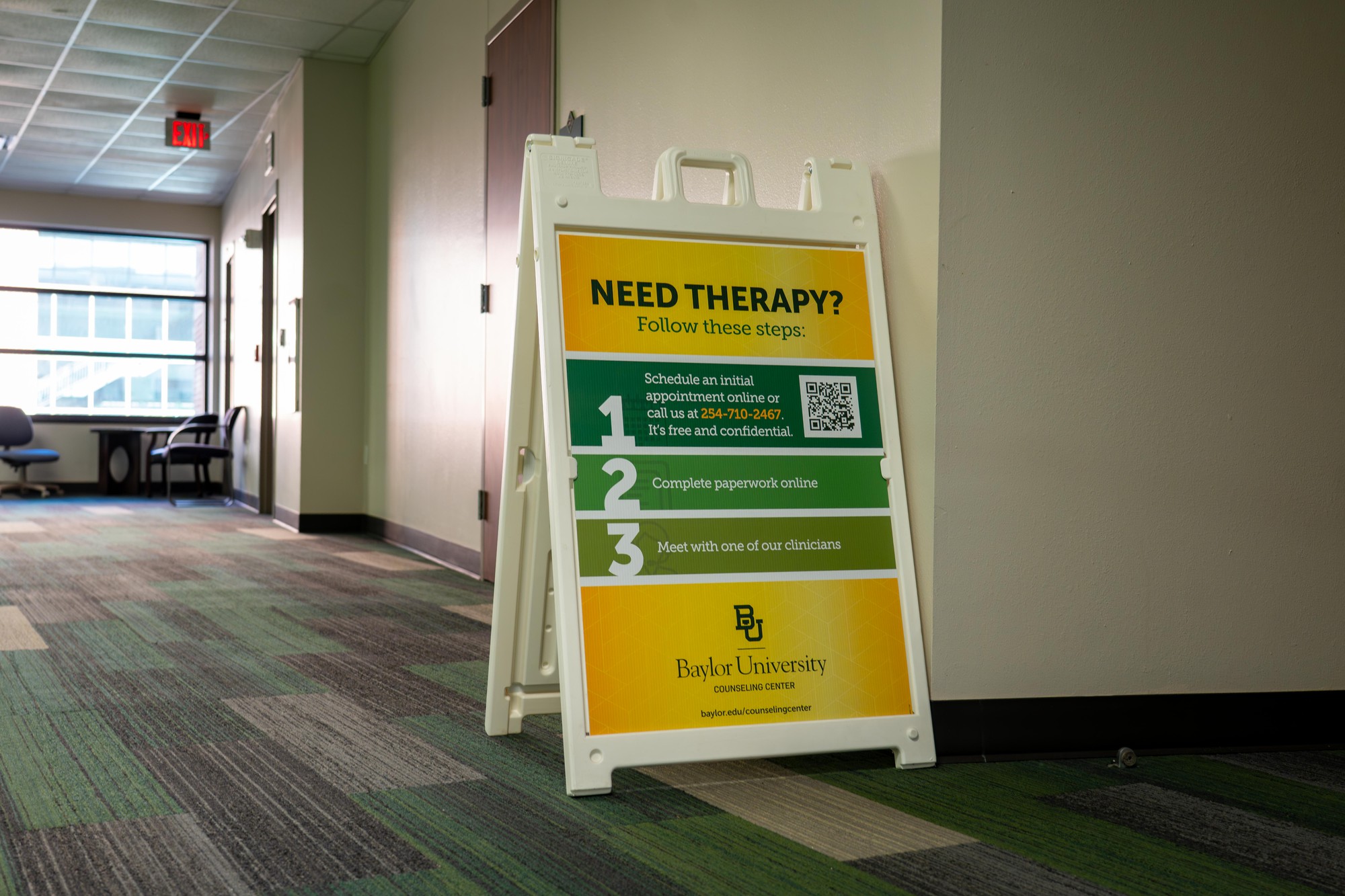
Khalifa said students who think they may have SAD should talk to someone about it.
“It is a very serious thing,” Khalifa said. “I myself can attest to that. You shouldn’t just let it happen because it happens every winter. If it’s really, truly negatively affecting you, take action as soon as possible.”