

Close Menu
The Baylor Lariat
    Facebook X (Twitter) Instagram YouTube LinkedIn
    Trending
    • Bears’ March Madness hopes end in Big 12 tournament loss to Arizona State
    • Drew notches 500th win as Bears smash Utah 101-75
    • No. 20 Baylor comes up short in 62–53 loss to Colorado in Big 12 Tournament opener
    • 32nd annual Beall Poetry Festival to host poets, creative writing competition
    • Professor, students create musical in honor of Declaration of Independence
    • Waco hairstylist highlights clients’ creative side with unique, colorful designs
    • Underdog Baylor men’s basketball still controls own destiny
    • Baylor men’s tennis topples No. 1 Ohio State, marking first home win over top team since 2011
    • About us
      • Spring 2026 Staff Page
      • Copyright Information
    • Contact
      • Contact Information
      • Letters to the Editor
      • Subscribe to The Morning Buzz
      • Department of Student Media
    • Employment
    • PDF Archives
    • RSS Feeds
    Facebook X (Twitter) Instagram YouTube LinkedIn
    The Baylor LariatThe Baylor Lariat
    Subscribe to the Morning Buzz
    Thursday, March 12
    • News
      • State and National News
        • State
        • National
      • Politics
        • 2025 Inauguration Page
        • Election Page
      • Homecoming 2025
      • Baylor News
      • Waco Updates
      • Campus and Waco Crime
    • Arts & Life
      • Wedding Edition 2025
      • What to Do in Waco
      • Campus Culture
      • Indy and Belle
      • Leisure and Travel
        • Leisure
        • Travel
          • Baylor in Ireland
      • Student Spotlight
      • Local Scene
        • Small Businesses
        • Social Media
      • Arts and Entertainment
        • Art
        • Fashion
        • Food
        • Literature
        • Music
        • Film and Television
    • Opinion
      • Editorials
      • Points of View
      • Lariat Letters
    • Sports
      • March Madness 2025
      • Football
      • Basketball
        • Men’s Basketball
        • Women’s Basketball
      • Soccer
      • Baseball
      • Softball
      • Volleyball
      • Equestrian
      • Cross Country and Track & Field
      • Acrobatics & Tumbling
      • Tennis
      • Golf
      • Pro Sports
      • Sports Takes
      • Club Sports
    • Lariat TV News
    • Multimedia
      • Video Features
      • Podcasts
        • Don’t Feed the Bears
        • Bear Newscessities
      • Slideshows
    • Sing 2026
    • Lariat 125
    • Advertising
    The Baylor Lariat
    Home»Opinion»Editorials

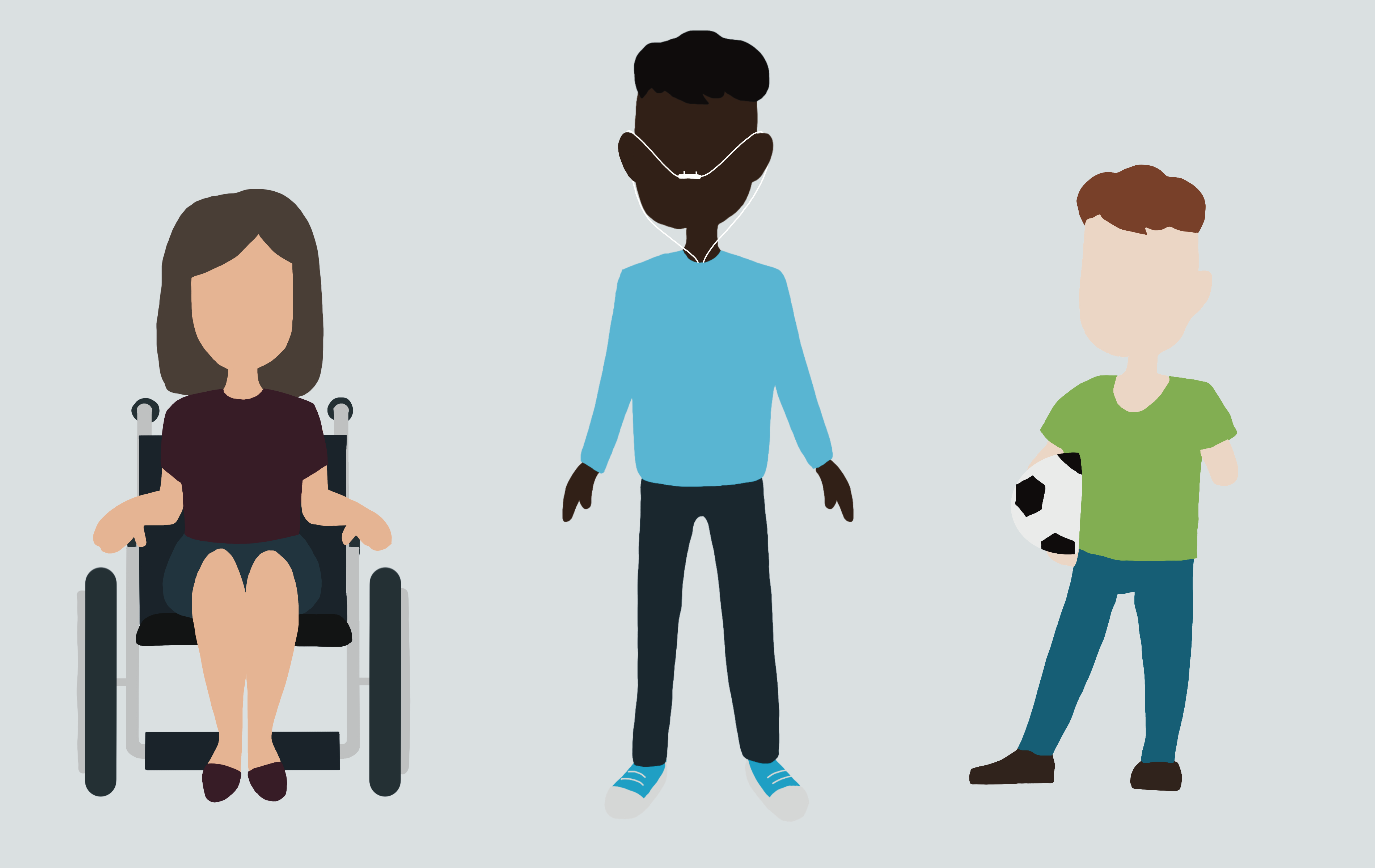
    It’s time to understand the harmfulness of ableism

    Baylor LariatBy Baylor LariatNovember 10, 2020 Editorials No Comments4 Mins Read
    AB Boyd | Cartoonist
    Share
    Facebook Twitter LinkedIn Pinterest Email

    The public discourse surrounding disability rights in America is astonishingly poor.

    The first step we can all take in better understanding the need for accommodations, equity and basic rights for the disabled community is understanding what ableism is. Most Americans have a basic understanding of what racism and sexism are, though ableism is far less talked about in American society and therefore frequently misunderstood or ignored all together.

    Simply put, ableism is the belief or practice of discriminating against people with disabilities in favor of able-bodied people. It’s important to note that ableist beliefs and actions don’t have to be done consciously to be ableist.

    Some systems are more clearly ableist than others. For instance, institutions that fail to comply with disability protection laws such as the ADA are clearly failing their legal responsibility to provide adequate accommodations to people with disabilities. More individual forms of ableism include using the r-slur, assuming all disabled people are visibly disabled, feeling a sense of entitlement to understanding someone’s disability (which often includes people asking extensive personal questions in a way that makes a person with disabilities uncomfortable) and of course, mocking someone’s disability including stutters, manners of walking and neurodivergence.

    A lot of today’s ableism in rooted in medical misunderstandings and malpractice of the 18th century and earlier, when those with disabilities were seen as having a weak spirit as opposed to a medical issue. Of course, around the 1800s is when the United States began to create schools and institutions for the “mentally ill,” where both children and adults were severely mistreated, often times beaten and living in terrible circumstances. By the time the 1850s rolled around, eugenics began to take root, spreading the idea that those with disabilities were a stain on “civilized” society. Eugenics fueled several unimaginable atrocities including the United States Supreme Court’s 1927 Buck vs. Bell decision which authorized the forced sterilization of tens of thousands of physically and mentally disabled people.

    In the COVID-19 era, a lot of ableism has come to the forefront. A lot of people hold the belief that they shouldn’t be forced to alter their day-to-day life to make sure that those with preexisting conditions (which frequently includes those in the disabled community) are safe.

    That line of thinking is, in the least, unbelievably ignorant. At the worst, it is stomach-churningly revolting.

    Conservative estimates say that around 40% of Americans live their lives with comorbidities. Others put the number somewhere around 60%. These conditions, though often requiring patients to take consistent medication regimens or alter their lifestyle, do not mean those diagnosed with those illnesses were going to “die soon anyway.” To take that stance is to severely misunderstand the situation at hand.

    Furthermore, to insinuate that society doesn’t have a full responsibility to respect the life of those with underlying illnesses and disabilities is, quite literally, Nazism. Those who fit inside the so-called “norm” deciding who does and does not have a right to life, whose lives are worthy of protection and whose lives are worth saving seems to be a pretty spot-on description of Nazi ideology.

    All of this is not to say that those with unconscious ableist bias are overtly evil. It is just to say that by calling attention to this form of discrimination is to begin to root out those ideologies which are directly harmful to people with disabilities. Hopefully, this article was enlightening and informative about the dangers of ableism. After all, everyone has a responsibility to educate themselves about discrimination against disabled community and in investing that education, we can create a society that values all people, regardless of their ability or disability.

    Baylor Lariat
    • Website

    Keep Reading

    Bears’ March Madness hopes end in Big 12 tournament loss to Arizona State

    Drew notches 500th win as Bears smash Utah 101-75

    No. 20 Baylor comes up short in 62–53 loss to Colorado in Big 12 Tournament opener

    Waco hairstylist highlights clients’ creative side with unique, colorful designs

    Baylor men’s tennis topples No. 1 Ohio State, marking first home win over top team since 2011

    Bear Trail to replace gravel path with wider concrete sidewalk

    Add A Comment

    Comments are closed.

    Recent Posts
    • Bears’ March Madness hopes end in Big 12 tournament loss to Arizona State March 11, 2026
    • Drew notches 500th win as Bears smash Utah 101-75 March 7, 2026
    About

    The award-winning student newspaper of Baylor University since 1900.

    Articles, photos, and other works by staff of The Baylor Lariat are Copyright © Baylor® University. All rights reserved.

    Subscribe to the Morning Buzz

    Get the latest Lariat News by just Clicking Subscribe!

    Follow the Live Coverage
    Tweets by @bulariat

    Facebook X (Twitter) Instagram YouTube LinkedIn
    • Featured
    • News
    • Sports
    • Opinion
    • Arts and Life
    © 2026 ThemeSphere. Designed by ThemeSphere.

    Type above and press Enter to search. Press Esc to cancel.