

Close Menu
The Baylor Lariat
    Facebook X (Twitter) Instagram YouTube LinkedIn
    Trending
    • Kappa Kappa Gamma tackles mental health, suicide with annual philanthropy event
    • Moody School of Education graduate researchers present ‘passions’ at Baylor Emerging Research Conference
    • Swig soda shop to land in grease pit in May
    • Baylor celebrates 181 years of longstanding faith, traditions
    • Sports Take: 5 numbers that have defined Baylor MBB’s season
    • Slow is good, even if the world disagrees
    • SLIDESHOW: KKG’s Mac N Keys
    • Communication revolution: Writing isn’t dying
    • About us
      • Fall 2025 Staff Page
      • Copyright Information
    • Contact
      • Contact Information
      • Letters to the Editor
      • Subscribe to The Morning Buzz
      • Department of Student Media
    • Employment
    • PDF Archives
    • RSS Feeds
    Facebook X (Twitter) Instagram YouTube LinkedIn
    The Baylor LariatThe Baylor Lariat
    Subscribe to the Morning Buzz
    Tuesday, February 3
    • News
      • State and National News
        • State
        • National
      • Politics
        • 2025 Inauguration Page
        • Election Page
      • Homecoming 2025
      • Baylor News
      • Waco Updates
      • Campus and Waco Crime
    • Arts & Life
      • Wedding Edition 2025
      • What to Do in Waco
      • Campus Culture
      • Indy and Belle
      • Sing 2025
      • Leisure and Travel
        • Leisure
        • Travel
          • Baylor in Ireland
      • Student Spotlight
      • Local Scene
        • Small Businesses
        • Social Media
      • Arts and Entertainment
        • Art
        • Fashion
        • Food
        • Literature
        • Music
        • Film and Television
    • Opinion
      • Editorials
      • Points of View
      • Lariat Letters
    • Sports
      • March Madness 2025
      • Football
      • Basketball
        • Men’s Basketball
        • Women’s Basketball
      • Soccer
      • Baseball
      • Softball
      • Volleyball
      • Equestrian
      • Cross Country and Track & Field
      • Acrobatics & Tumbling
      • Tennis
      • Golf
      • Pro Sports
      • Sports Takes
      • Club Sports
    • Lariat TV News
    • Multimedia
      • Video Features
      • Podcasts
        • Don’t Feed the Bears
        • Bear Newscessities
      • Slideshows
    • Housing 2026
    • Lariat 125
    • Advertising
    The Baylor Lariat
    Home»News»Baylor News

    Secular holiday has religious origins

    webmasterBy webmasterOctober 25, 2013 Baylor News No Comments4 Mins Read
    Share
    Facebook Twitter LinkedIn Pinterest Email

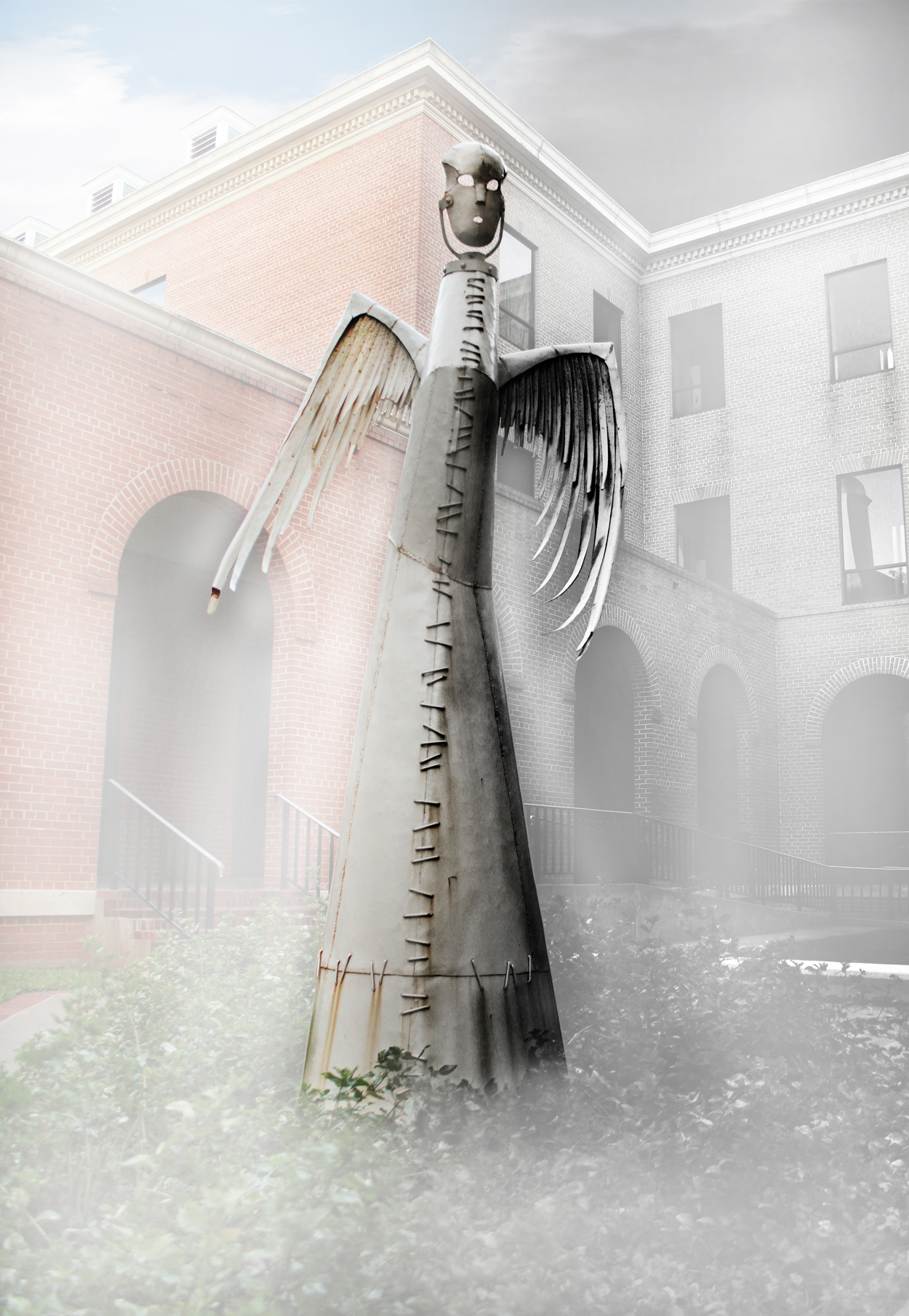
    Photo of angel statue located between Burleson Hall and Draper Academic Building. Matt Hellman | Lariat Multimedia Editor
    Photo of angel statue located between Burleson Hall and Draper Academic Building.
    Matt Hellman | Lariat Multimedia Editor
    By Ada Zhang
    Staff Writer

    Halloween as we know it today is a chance for children to play dress-up and obtain copious amounts of candy. Therefore, it may surprise some people that this light-hearted holiday originated from ancient religious practices.

    Dr. Joe Coker, lecturer of religion, said Celtic traditions were brought to America in the 1800s with the arrival of Scottish immigrants. Over time, aspects of the Celtic tradition mixed with aspects of English religious practices and resulted in contemporary Halloween.

    The history of Halloween is complex, Coker said, derived from no single tradition.

    “All of these traditions add to the celebration of other-worldly, spooky stuff,” Coker said.

    The spooky origins of Halloween emerged from an ancient Celtic festival called Samhain. On Oct. 31, the Celts believed demons and ghosts of the deceased would rise from the underworld, according to “Halloween: An American Holiday, An American History.”

    To escape harm, the Celts disguised themselves as the demonic beings whom they were afraid of. This is where modern-day Halloween derives its costume element, said Dr. Michael Foley, associate professor of patristics in the Honors College.

    “They followed the principle ‘If you can’t beat them, join them,’” Foley said.

    According to “Halloween: An American Holiday, An American History,” the Celts believed that not all the spirits of Samhain were evil.

    The Celts made offerings of food and wine in hopes that the spirits of their loved ones would return for a visit.
    Celtic communities also made bonfires because they believed the sun was weak during the winter.

    They sacrificed animals and made predictions about the future based on the entrails. Humans might have been sacrificed too, according to “Halloween: An American Holiday, An American History.” Cats were also burned in wicker cages. This might explain where Halloween developed its iconography of cats and fire.

    When Catholicism entered the Celtic lands, church leaders tried to navigate the Celts away from their pagan practices, Foley said. It just so happened that All Saints Day, a pre-existing Catholic tradition, was the day after Samhain. As a result, church officials were able to conveniently transform Samhain into All Hallow’s Eve.

    Coker said church officials tried to “Christianize” Samhain.

    “It worked well because Catholics in Ireland were able to take advantage of the coincidence and steer the Celtic tradition away from unpleasantry,” Foley said.

    From All Hallow’s Eve, the modern-day concept of trick-or-treating emerged. Called “souling,” the poor would go from door to door begging for soul cakes, and in return, they promised to pray for those who were deceased in the donor’s family.

    “It used to be that you only gave soul cakes to the poor,” Foley said. “But then everyone started doing it. It became a social thing.”

    After the Protestant Reformation, Catholics had to practice these traditions secretly for fear of religious persecution, Foley said.

    English Protestants at this time began celebrating Guy Fawkes Day on Nov. 5.

    According to “Halloween: An American History, An American Holiday,” a Catholic revolutionary named Guy Fawkes was involved in the 1605 Gunpowder Plot to blow up the British parliament and protestant-sympathetic House of Lords.

    Foley said, however, he does not believe Fawkes’sactions were a part of a deliberate political agenda.

    “They said that this was a Catholic plot to overthrow parliament, but it wasn’t,” Foley said. “He was just crazy.”

    Whatever Fawkes’s true motives were, he gave Protestants a reason to detest and ridicule Catholicism, Foley said.

    On Guy Fawkes Day, boys went door to door asking for coals, which they used to burn down effigies of Guy Fawkes and the pope. Those who denied the boys coals were to expect some sort of prank, hence the “trick” part of trick-or-treat.

    “The modern American custom of trick or treating is combination of old Irish-Catholic Halloween and anti-Catholic British Guy Fawkes Day,” Foley said.

    People wore Guy Fawkes masks on Guy Fawkes Day, Foley said, a phenomenon that probably further contributed to the masquerade aspect of modern-day Halloween.

    Foley said nowadays, of course, when kids wear masks or ghoul costumes, it bears no religious significance.


    Halloween Religion
    webmaster

    Keep Reading

    Kappa Kappa Gamma tackles mental health, suicide with annual philanthropy event

    Moody School of Education graduate researchers present ‘passions’ at Baylor Emerging Research Conference

    Baylor celebrates 181 years of longstanding faith, traditions

    Slow is good, even if the world disagrees

    Students ‘bring own songs’ to Elliston Chapel after hours

    Honoring the dynamic duo: Baylor celebrates live mascots’ third birthdays

    Add A Comment

    Comments are closed.

    Recent Posts
    • Kappa Kappa Gamma tackles mental health, suicide with annual philanthropy event February 2, 2026
    • Moody School of Education graduate researchers present ‘passions’ at Baylor Emerging Research Conference February 2, 2026
    About

    The award-winning student newspaper of Baylor University since 1900.

    Articles, photos, and other works by staff of The Baylor Lariat are Copyright © Baylor® University. All rights reserved.

    Subscribe to the Morning Buzz

    Get the latest Lariat News by just Clicking Subscribe!

    Follow the Live Coverage
    Tweets by @bulariat

    Facebook X (Twitter) Instagram YouTube LinkedIn
    • Featured
    • News
    • Sports
    • Opinion
    • Arts and Life
    © 2026 ThemeSphere. Designed by ThemeSphere.

    Type above and press Enter to search. Press Esc to cancel.

    Insert/edit link

    Enter the destination URL

    Or link to existing content

      No search term specified. Showing recent items. Search or use up and down arrow keys to select an item.