By Giselle Lee | Staff Writer
The Department of Homeland Security (DHS) announced another rule Oct. 7 that, if passed, could create even more barriers for international students and hinder opportunities to gain practical experience after studying in the U.S.
According to the DHS’ website, the proposed rule change would establish that schools pay a $70,000 fee per F-1 non-immigrant student for initial Optional Practical Training (OPT) and a $30,000 fee per F-1 non-immigrant student for any program extensions, which is said to “combat fraud and abuse, strengthen the integrity of the immigration system, and protect U.S. workers.”
A POLITICO article said the program’s original intent was to allow foreign students to temporarily work in the U.S. in jobs related to their majors after graduation, which has historically driven international student enrolment. But the rule would raise the fee from the current $500 that international students typically pay themselves.
Dr. Mark Bryant, director of Baylor’s International Student and Scholar Services (ISSS) Office, said the biggest obstacle is that the fee must be paid in advance by schools before applying, making it a “discouraging time” for students and creating huge financial burdens on university institutions.
“Usually with OPT, you don’t have to have an employer because you can get approved and then still find an employer after you’ve been approved,” Bryant said. “Now that is in the comment period. We sent an email out to International Students last Friday with the link. And anybody can send comments, and they’ll collect comments for 30 days, and then they’re supposed to review them.”
Previously, the DHS announced rule changes to various allowances granted to international students via the F-1 visa, including the “Duration of Status” limit and different interpretations of Curricular Practical Training (CPT), with both being challenged in courts across the US.
Bryant said uncertainties over the past decade make it harder for students to plan internship opportunities both after graduation and during their studies in the U.S., despite Baylor programs that require internships to earn degrees.
“The government made it so restrictive,” Bryant said. “We understand that it’s very difficult for students right now and we don’t know where things are going to ultimately land in terms of decisions, but we are trying to stay on top of things … and we’re doing our best to try to navigate this and get answers.”
Taichung, Taiwan, sophomore Genie Fu said she has to think about work authorization before she can even apply for business internships in the U.S. Even if she secures an internship, she said she might not be able to accept it because of uncertainty around CPT regulations.
“Some companies also ask whether we need sponsorship, and that can make the application process more complicated,” Fu said. “It’s really hard to know what opportunities we are actually eligible for, and personally I want to gain more professional experience in the U.S., especially in finance and supply chain management, but the work authorization restriction just makes it harder to plan ahead.”
Despite gaining “valuable” internship experience in Taiwan, Fu said she would love to work in the U.S., as it would increase her competitiveness when applying for future job opportunities and allow her to better compare the two countries’ workplace environments.
“One of the biggest benefits is that we can learn about American workplace culture, improve our communication skills and build connections with companies in the U.S.,” Fu said. “Especially as a business student, I think it is really valuable to understand how companies operate in different countries.”
For Toronto, Canada, sophomore Ria Jeyapal, the new proposal came as “a shock.” She said the additional years of OPT gained as a STEM student are now inhibited by the additional financial hurdle schools would face when recommending international students for work authorization.
“In the medical field, you need a lot more practical experience shadowing and other internships,” Jeyapal said. “But with these specific policies, it limits a lot of opportunities and puts a lot of barriers on what you can also put [forward] and show for what you’ve done.”
Jeyapal said the burden is greater for international students pursuing careers in medicine because medical practices vary by country, creating an “experience gap.”
“There’s a difference in how people work because there’s that cultural difference,” she said. “Some of the skills that you would have needed would have been from the places that you worked here or interned at here, but you wouldn’t know that because you have to take internships back at home.”
Jeyapal said a big benefit of gaining practical experience as an international student, whether it is through internships or volunteering, is the possibility of more long-term opportunities.
“It could lead up to a full-time offer for an actual job, or you can come back to that company or that place you worked at,” Jeyapal said. “It’s good to have those U.S. connections and getting to know how the U.S. workplace works. When it comes to any type of schools after or just jobs in the future, you have U.S. work experience, which seems better because companies [can see] that you’ve worked in a certain environment.”
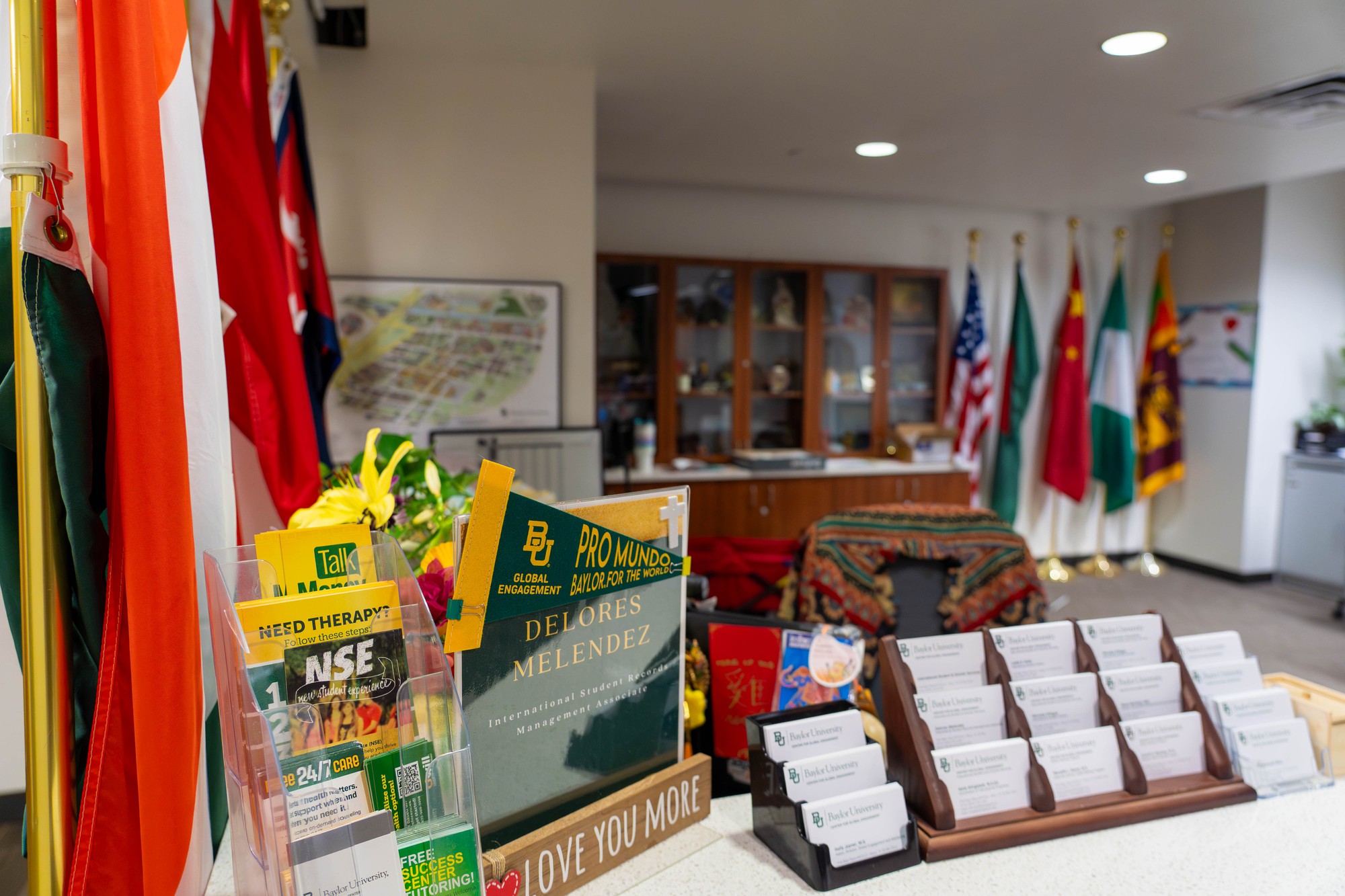
Beyond notices detailing the latest updates on international student-related news on the ISSS Office’s website, Bryant said he hopes the ISSS Office becomes a “welcoming environment” for international students and encouraged them to visit more often for resources and community during unpredictable times.
“The reason why we offer coffee and tea and snacks and hot chocolate is to try to get students just to come by and get used to coming by,” Bryant said. “We have really nice, kind people here that want to sit down and talk with students. We can show you all the resources, answer any questions. We are trying to become more of an office where students feel like they can just come and ask questions or tell us what’s going on.”