





By Josh Siatkowski | Lead Writer
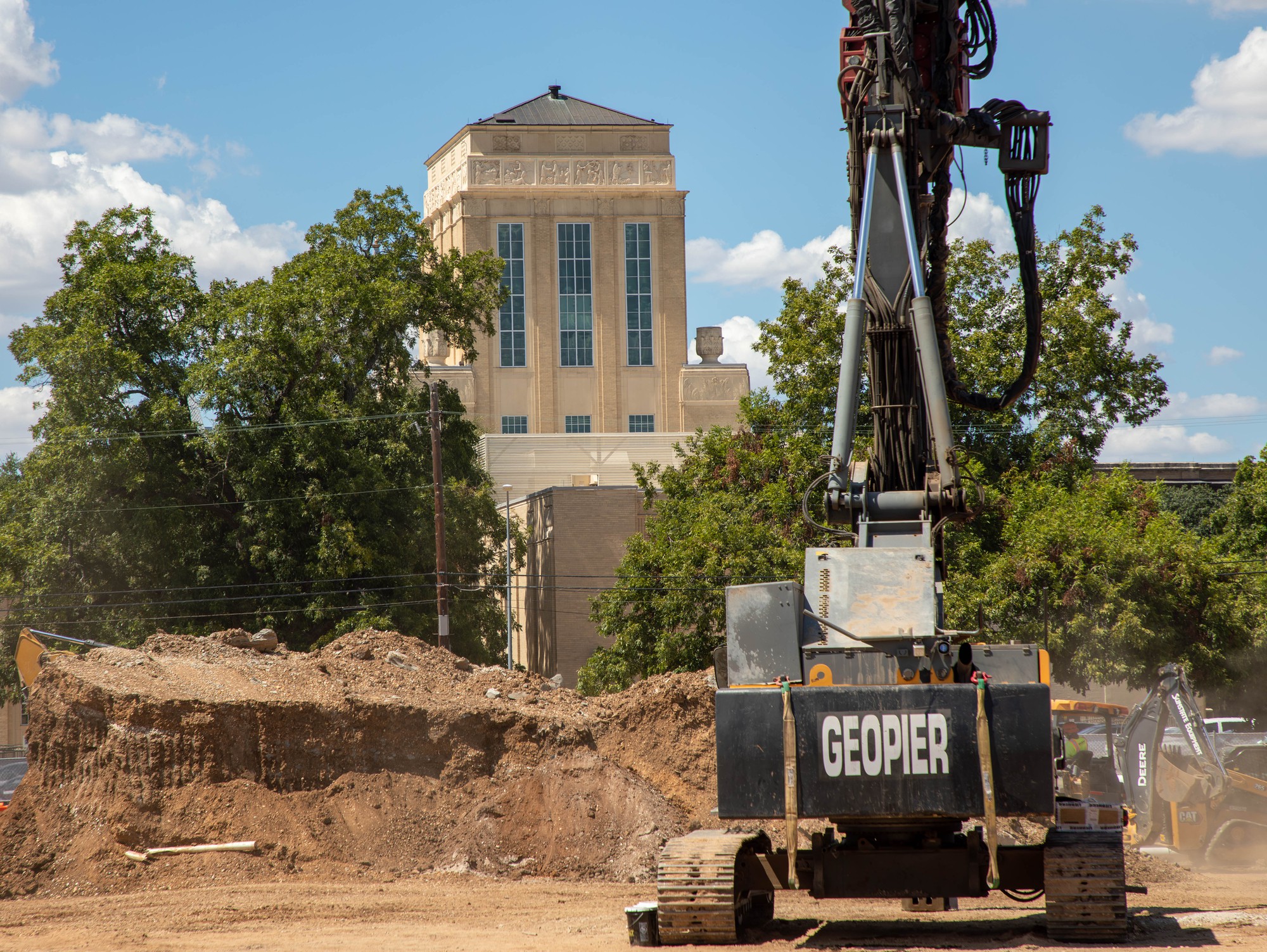
After Seventh and James Baptist Church sold half of its five acres last fall, construction of a 600-bed student housing complex is underway. Now that its sanctuary has been torn down, the church has launched a fundraising campaign to build a new space.
Originally expecting to finance the development through proceeds from the sale, Seventh and James is now raising $2.8 million dollars over three years to provide additional funding. The campaign, entitled “Sacred Space for Today, Bright Hope for Tomorrow,” officially launched Sunday.
“The economic realities have changed quite a bit since we began this process,” the church’s website, which posts renderings of the new space, reads. “We had hoped the sale would pay for the new Sanctuary project, but the expected costs are now beyond what we received. The church’s consensus was clear: build the Sanctuary we need in a way that remains authentic to our values, even if it means we have to raise the difference ourselves.”
The new sanctuary will have about 250 seats, and the website says it may include a smaller chapel and nursery rooms. Construction is slated to begin in spring 2027, and it will require demolishing two existing buildings on-site.
In the meantime, the community is navigating a period of transition. For church attendees like Dr. Derek Dodson, a professor in Baylor’s religion department and a 20-year member of Seventh and James, seeing the 70-year-old sanctuary come down last June brought back the memories made inside it.
“We have all sort of experienced a kind of bittersweetness about it, a sort of a grief, because that space was very important to us,” Dodson said of the sanctuary, whose demolition he saw through photos while he was traveling for the summer. “For example, my children sort of grew up in that space. I had one daughter baptized in that sanctuary.
“I was getting those pictures, and when you just see the front part of the sanctuary, and everything else is rubble behind it, it sort of takes your breath away,” Dodson continued.
Aside from the farewell to the old sanctuary, the church has also managed a temporary logistical change to its services. Melton Hall, the only building in the current church complex that will remain after the new sanctuary’s construction, has served as the meeting point for the church’s roughly 150 attendees. As a multipurpose facility, members stack and unstack hundreds of chairs before and after services each week.
“We are calling it our tabernacle,” Dodson said, referring to the traveling tent sanctuary used by the Israelites.
Dodson said that since the sanctuary’s demolition, attendance has been “a little below than what’s average,” but turnout has largely remained resilient. While there may be intermittent challenges, the decision to change the church’s physical space also brings hope and clarity. The decision, as Seventh and James pastor Erin Conaway said last year, was not one of distress but one of careful planning for the church’s future.
“This decision-making process, as big as it’s been, as substantial as it’s been, has been a very transparent and open process for the church almost every step of the way,” Dodson said.
As the church transitions, so does the community around it. By summer 2028, Baylor will gain new off-campus housing for hundreds of students as Parallel and Deven Group lead a group of development companies in constructing the building.
Since construction began, the impact to students has largely been limited to the narrowing of James and Bagby avenues. But while most students were gone for the summer, those who stayed in town recalled that the demolition also brought extended periods of noise.
“They sort of destroyed it part by part, so I think that’s what made the noise ongoing super loud for a long time,” Incheon, South Korea senior Sooro Kim said. “It woke me up around 6 a.m.”
Kim is a resident of University Place, an apartment complex right across from Seventh and James that Baylor recently acquired. He said that early mornings and late nights of work made it difficult to sleep over the summer, but now that he has relocated to a new unit and the demolition is over, noise has not been an issue.
“[My apartment] was literally facing the construction site,” he said. “Ever since I moved to a new unit, I don’t really hear the noises.”
Some students in apartments facing the construction said they have still heard construction noise after 10 p.m.
Overall, however, Dodson said that the construction and development team have been “good neighbors” by remaining quiet on Sundays and creating walkways for members to enter the church amid the construction.


