





By Stephanie Starks | Staff Writer
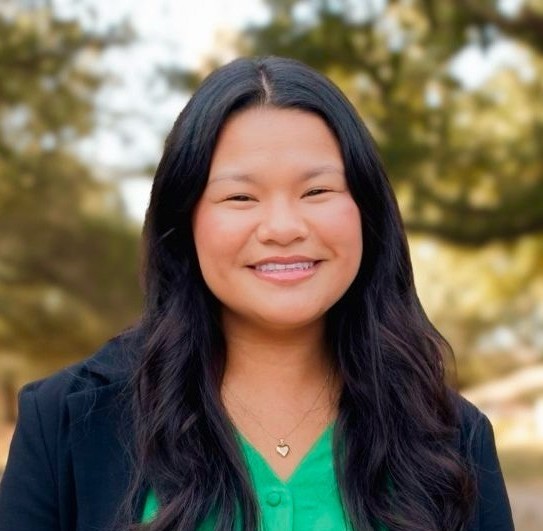
Baylor has appointed Lily Norcross, MS, RD, LD, as dietitian for the new dietitian corner in Penland Dining Hall.
Campus dietitians like Norcross help students improve their health in college, understand their nutritional needs and make informed decisions about what they eat.
A new environment can make it difficult for students to meet their nutritional needs. Students’ busy schedules, assignments and other activities on campus can make eating healthy hard on students.
“The dietitian corner is a really good resource that helps students understand their own nutritional needs,” Norcross said. “This will help students be able to thrive inside and outside of the classroom by having options that are nutritionally balanced, but these options are also grab-and-go, which allows students to take food with them where they need to go.”
Dietetics is the study of how diet directly affects our health. For students, creating a healthy, balanced diet can be hard.
What a person eats directly impacts their daily performance. A human brain uses roughly 20% of the calories it takes in per day.
With the right nutrients, memory retention, problem-solving and cognitive development can improve with a healthier diet. Dietitians specialize in understanding what nutrients a person needs to be healthy, then help create a specific diet for that person’s needs.
“Proper fueling and nutrition is important to help us to be healthy,” Norcross said.
The dietitian corner offers different snack options that can help support student health. These snack options vary based on the student’s specific nutritional needs, but they can benefit students’ overall well-being.
“I have noticed that many students avoid gluten,” Norcross said. “Some of these students have celiac disease; others avoid gluten for other reasons in their diet. All of the snacks at the dietitian corner are gluten-free. There are a variety of different flavors and tastes that can help meet any student’s needs.”
Students can find tasty snacks they enjoy while exploring their own nutritional needs.
“It is a great opportunity for students to be able to start evaluating meals on their own,” Norcross said. “This is a place for students to ask questions about their health goals and health needs. It is a valuable skill for students to be able to start learning while in college.”
Associate Professor of Nutrition Sciences Dr. LesLee K. Funderburk hopes students understand Norcross’ goals.
“If students need nutritional advice or education, the dietitian is the perfect person for them to go to,” Funderburk said.
Students have varying experience discovering their own nutritional needs without a dietitian’s help and therefore learn about their nutritional needs in different ways.
“Some schools may have had nutritional programs, others may have not,” Funderburk said. “More than likely, information about nutritional needs came from either a parent or a sports coach. Having a dietitian on campus allows the dietitian to do things throughout the semester that will improve students’ knowledge of their nutritional needs. This introduces them to new ways to incorporate fruit and vegetables into their daily habits.”
According to Steffi Kearney, a master’s student in the nutrition sciences program and the dietetic internship program, having a dietitian on campus will help students have “a more positive relationship with food.”
“Students are not being judged,” Kearney said. “They can go to the registered dietitian with all of their needs, and the dietitian will listen to them. They will help the student as much as they can [with] having that one-on-one feeling like you, your health and your nutrition matters. They are there for you.”


