By The Editorial Board
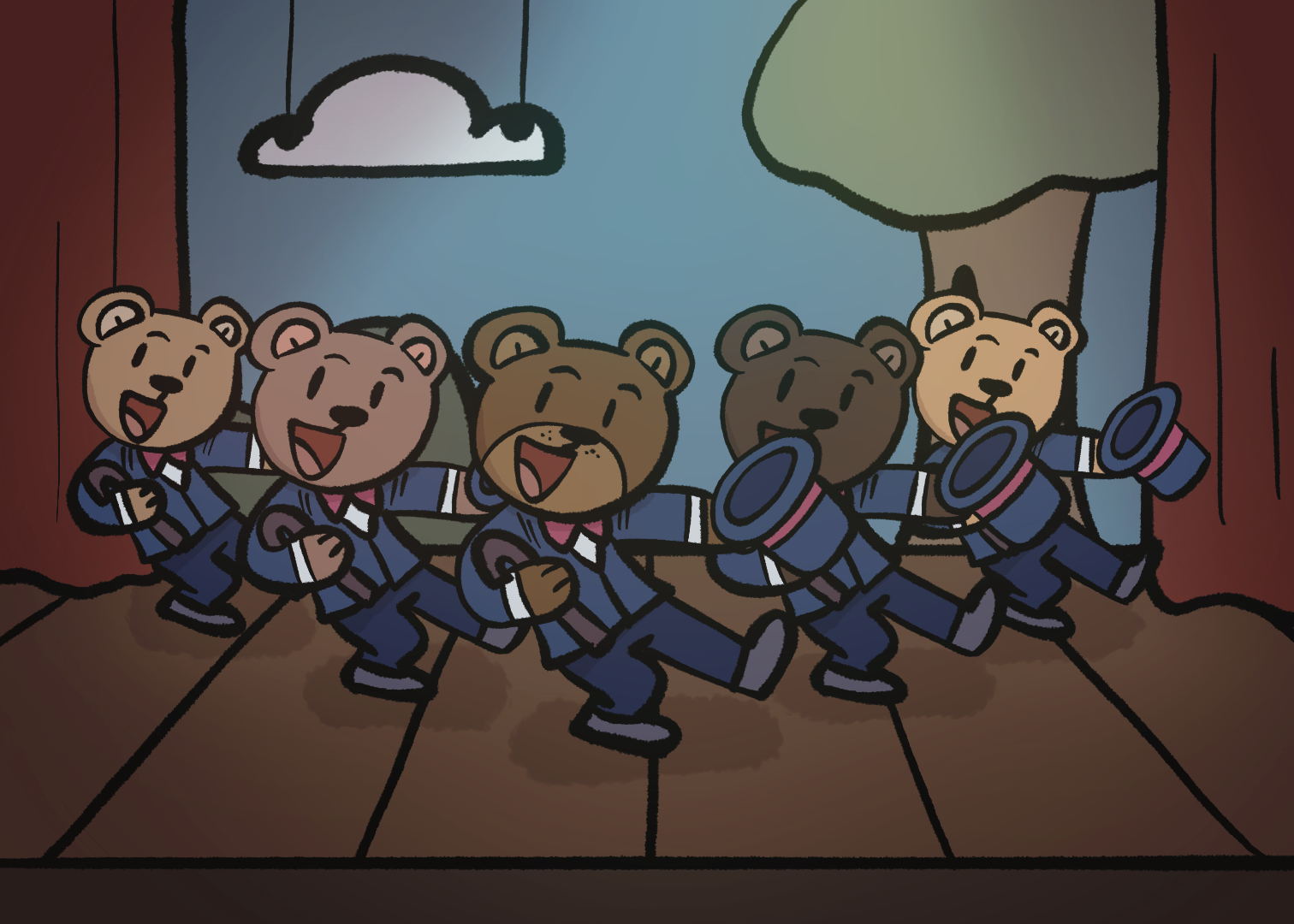
The season of Sing is upon us, and its frantic temperament is felt through all corners of campus. Sorority girls walk past in comically long coats to protect their costume identity, students are good at keeping secrets for once and it seems the campus is holding its breath in anticipation.
Sing has been one of Baylor’s most beloved traditions since the 1950s, despite the very first show having only eight acts in Waco Hall. Today, All-University Sing represents a Baylor super-event, bringing in parents, alumni and guests from all over to pack the seats of Waco Hall.
But the bright white stage lights often don’t shine on some of the other aspects of Sing — the non-shiny, exclusionary exhaustion that comes both before and after acts take their final bows.
While Sing brings our campus together, it also functions as a controversial topic that riles people up if you bring it up at the right time. It is a dichotomous battle of tradition and profiteering.
For some, Sing represents all the joy of being a part of a university as old as Baylor. The whimsical themes, costumes and music choices give people an excuse to appreciate the arts without ever leaving campus. Without Sing, we wouldn’t have the chance to giggle at our fraternity friends jazz-slide across the stage or be brought to tears by our sorority sisters’ angelic voices.
Sing brings us together in a world that is obsessed with division. It doesn’t matter if you agree with your friend’s controversial opinions when it’s Sing season — because something about silly costumes and extravagant acts brings us together like nothing could. When Waco winters bore nothing but gray, Sing is a flash of color that gets us excited for all that is to come.
But on the other hand, Sing represents the PR-driven missions of campuses around the country, yet another imperceptible tug on the wallets yanked open every semester anyway. In the early days of Sing, tickets were free — come one, come all. There was no need to go into debt to watch your classmates sing and dance on behalf of their organizations. And yet, as the years went on and acts became more and more extravagant, winning acts needed elaborate sets, one-of-a-kind costumes and choreographed routines. When Sing acts began to emulate Broadway productions, ticket prices followed suit.
But for lack of a better phrase, the show must go on. The expressive smiles of dolled-up sorority girls don’t reflect the utter exhaustion of three-hour practices, multiple times a week for months leading up to the curtain. When Blair Browning gets on stage and regales us with stories of his children, we don’t see Waco Hall staff and Student Production members scrambling backstage to put the show on.
There’s so much that goes into Sing that we don’t see, let alone appreciate.
And that’s the dichotomy, whether our tireless performers truly sing their hearts out because they love Baylor, or if we are all embroiled in yet another jazzed-up swindle.
Two things can be true at once. You can love Sing because of its exciting production and fabulous dance numbers and criticize it for its shortcomings. If you didn’t get tickets this year, for whatever reason, that’s OK. You aren’t any less green and gold for missing the Greeks shake and belt one out.
You also don’t have to go to Sing just because of its renown. You can still show your love for Baylor and its traditions in a host of other ways.
As Sing season reaches its peak this weekend and next, show some love to your classmates. Your friends in Sing are juggling the same responsibilities you are, on top of a Broadway-level production. Even more so, we encourage you to recognize the unsung heroes of Sing — Waco Hall staff and Student Productions.
While the bright stage lights might be more blinding during Sing than at any other time, Baylor shines bright through all its traditions and, most importantly, its people. Baylor wouldn’t be Baylor without the individuals who love it, and Sing wouldn’t be Sing without the passions of those who love our school.