By Stacie Boyls | Arts & Life Writer
All-University Sing is a spectacle built on visuals as much as it is on vocals and choreography. While set pieces and lighting establish atmosphere, costumes often serve as the clearest bridge between concept and character.
The strongest Sing costumes don’t just look good — they clarify plot, establish tone and create memorable moments that linger long after the curtain closes.
From whimsical lobsters to detailed scarecrows, the past five years have produced standout designs that demonstrate just how central costuming is to Sing’s storytelling.
“When Pigs Fly” (2025)
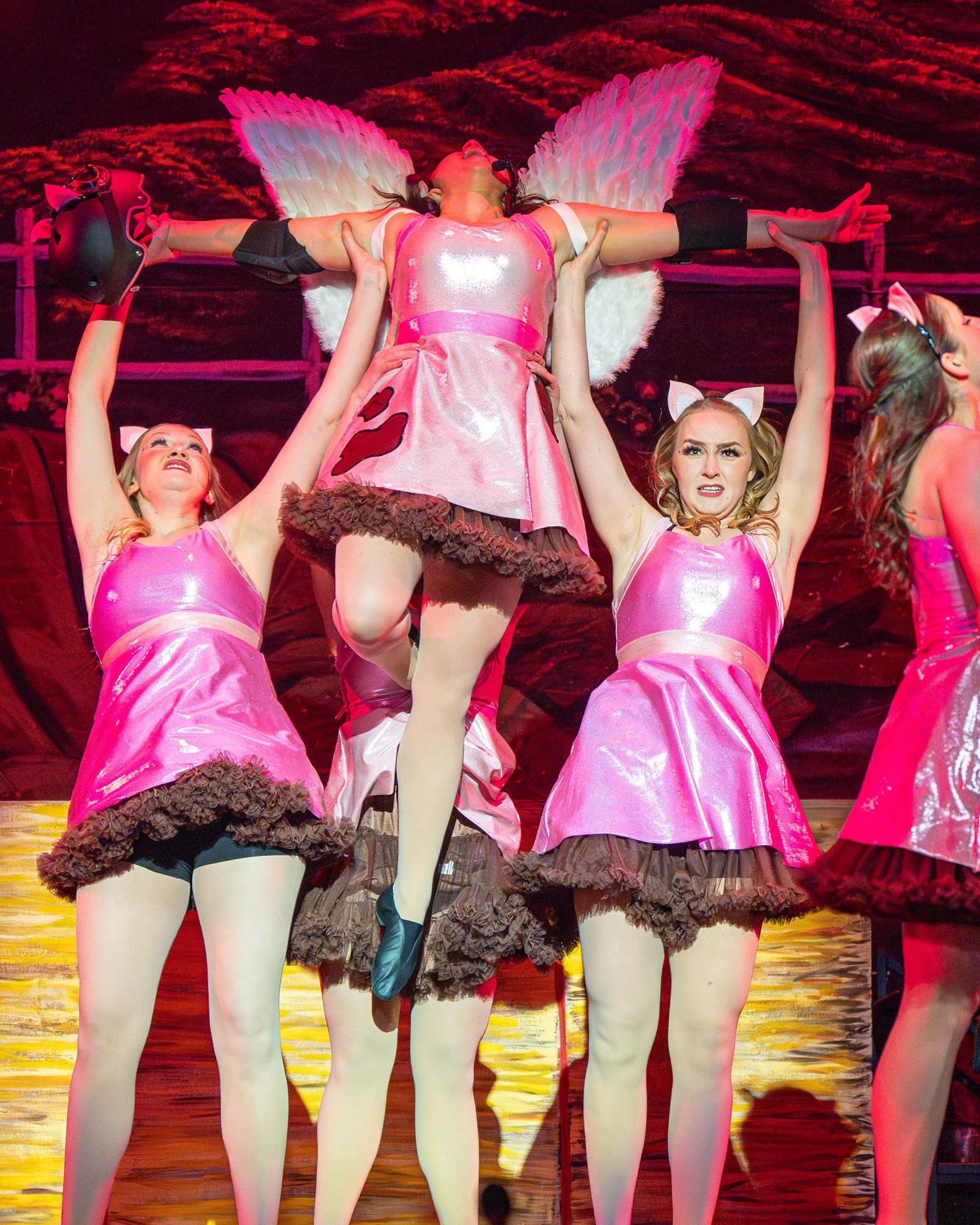
Delta Delta Delta delivered one of the most cohesive visual concepts in recent years with its satin pink-pig-themed show, anchored by charming, practical costume design.
Performers wore cute pink dresses paired with pig-themed accessories, including pig ears that established character while reinforcing the show’s playful premise.
The costumes succeeded in balancing creativity and function. The simple dress silhouettes allowed for full movement, while the pig-themed accessories carried the thematic weight.
The result was a look that felt both imaginative and intentional, fully aligned with the show’s nostalgic and whimsical tone.
Three organizations stood out in 2024 for their ability to use costume changes and distinct character looks to actively support narrative development.
“Panic at the Disco!” (2024)
Zeta Tau Alpha embraced the theatrical roots of its musical inspiration through a range of dynamic costume choices, including disco-inspired outfits and police uniforms.
The contrast between styles allowed performers to shift seamlessly between narrative moments, using costume transitions to signal character changes and plot progression.
“Caught Red-Handed” (2024)
Chi Omega reimagined the world of “Little Red Riding Hood” with fashionable, clearly defined characters. Costumes included stylized Little Red Riding Hood looks, wolves and grandmothers, each designed with modern flair while remaining instantly recognizable.
The clarity of these designs helped encapsulate the story, ensuring audiences could easily follow the narrative while appreciating the visual creativity.
“Papa Tiki’s, Balliamo!” (2024)
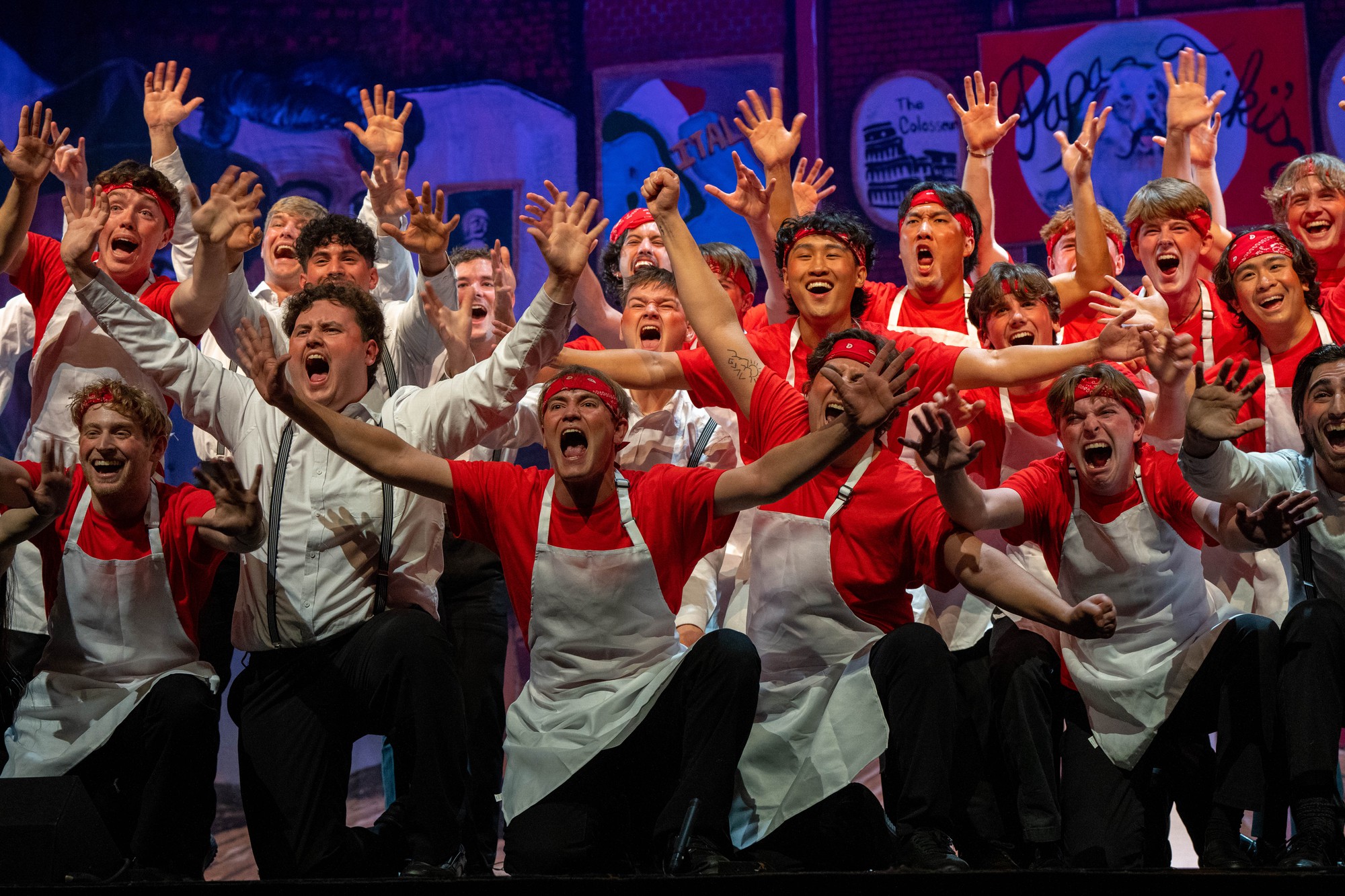
Tau Kappa Epsilon built its show around the familiar setting of a New York-style pizza shop, using costumes to create a believable and immersive environment.
Performers wore aprons and attire inspired by classic slice shop culture, reinforcing the setting while contributing to the show’s humor and personality. The everyday familiarity of the costumes grounded the story, making the creative twists the focus of the performance.
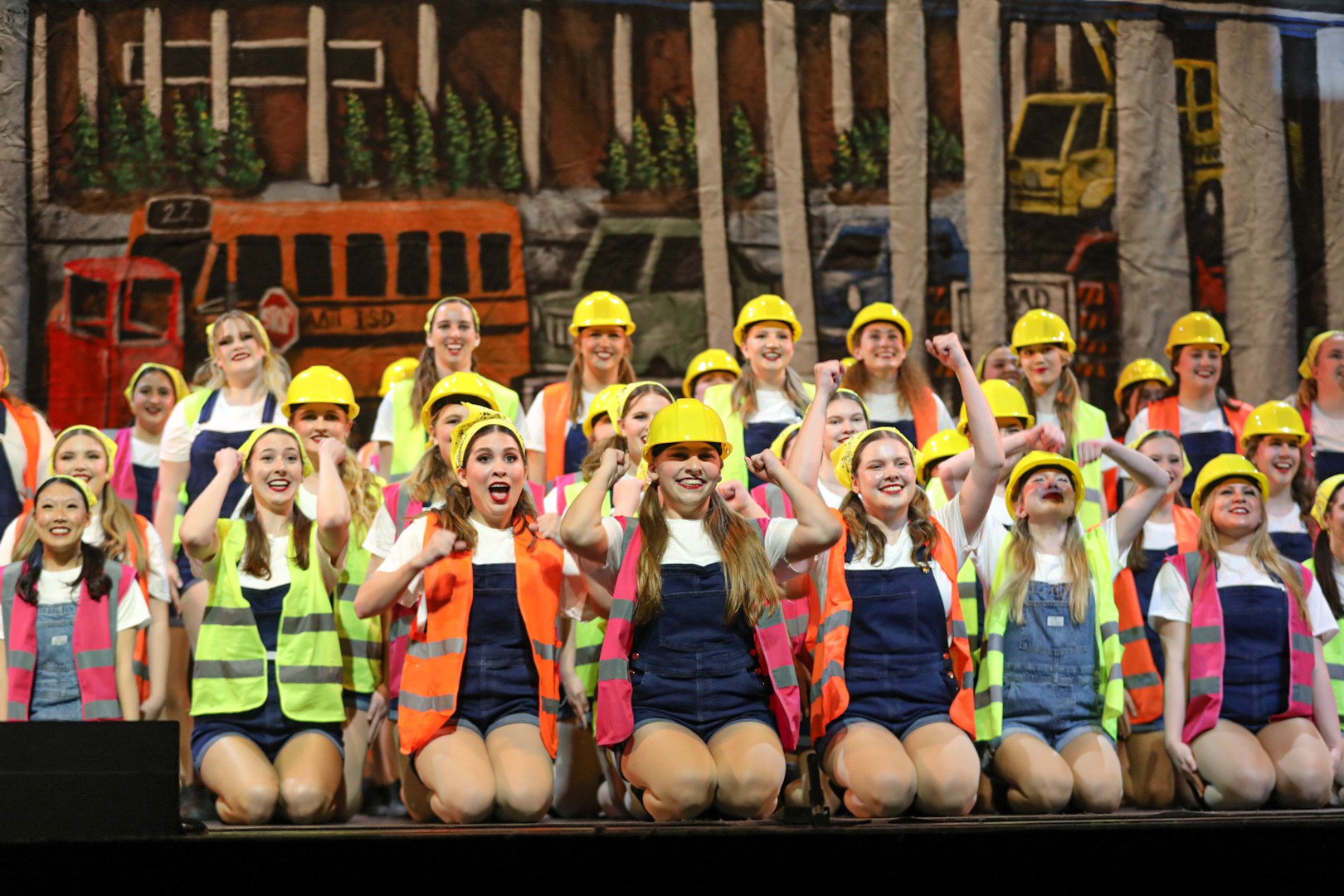
“I-30Pi” (2023)
Alpha Delta Pi’s construction-themed show demonstrated how uniformity and individuality can coexist in effective costume design. Performers wore construction outfits that established a clear group identity, while playful additions, most notably the oversized cone costume cameo, added humor and visual surprise.
These moments of contrast allowed the costumes to enhance both the show’s structure and its personality, creating memorable visual highlights without disrupting the cohesive aesthetic.
“We Got the Reef” (2022)
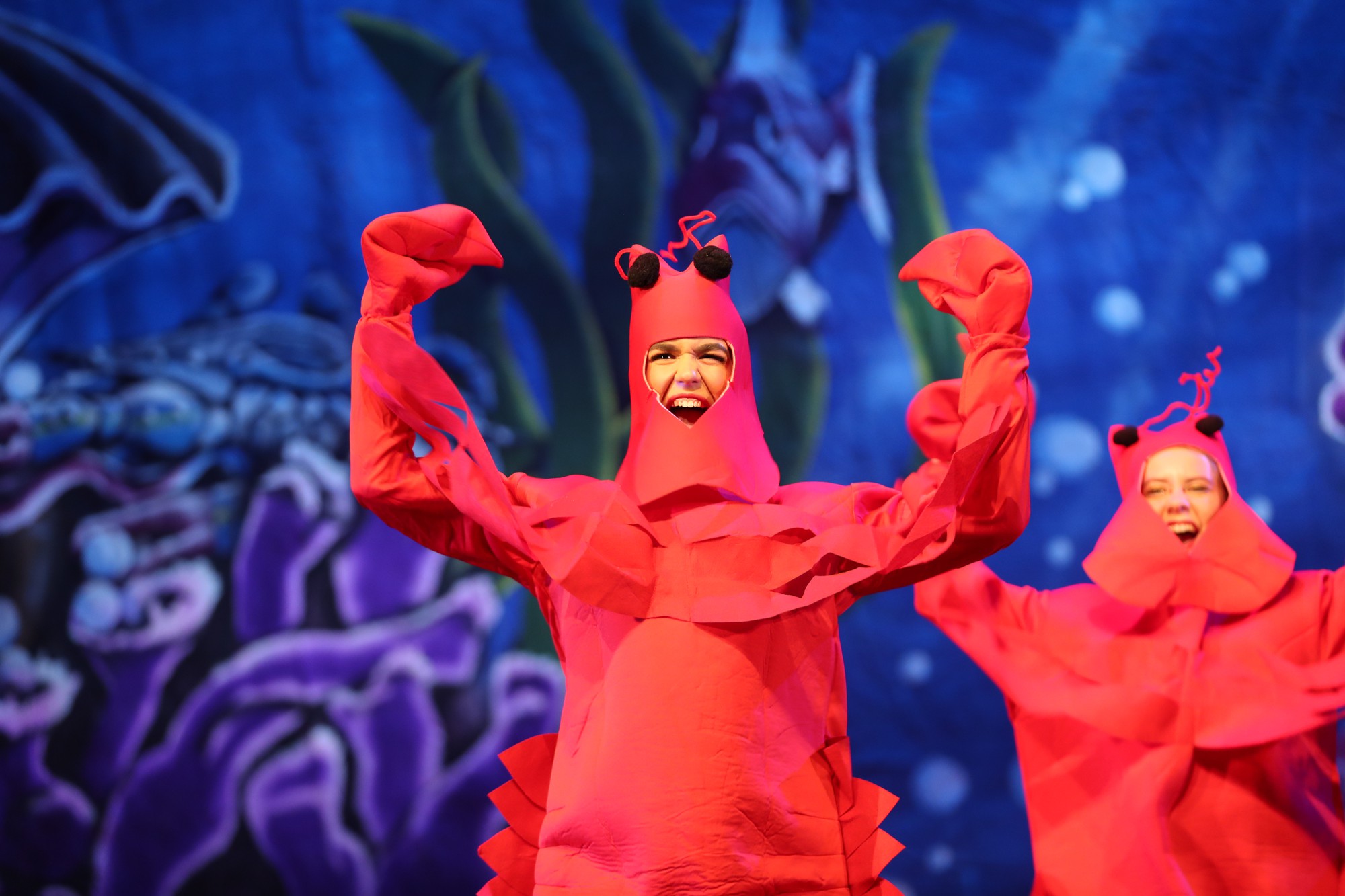
Delta Delta Delta fully embraced comedic costuming with a production that prioritized fun and creativity. Among the most memorable elements were the lobster costumes, which leaned into the show’s underwater theme through bold, exaggerated design.
Rather than aiming for realism, the costumes amplified the show’s humor and theatricality, demonstrating the power of intentional silliness.
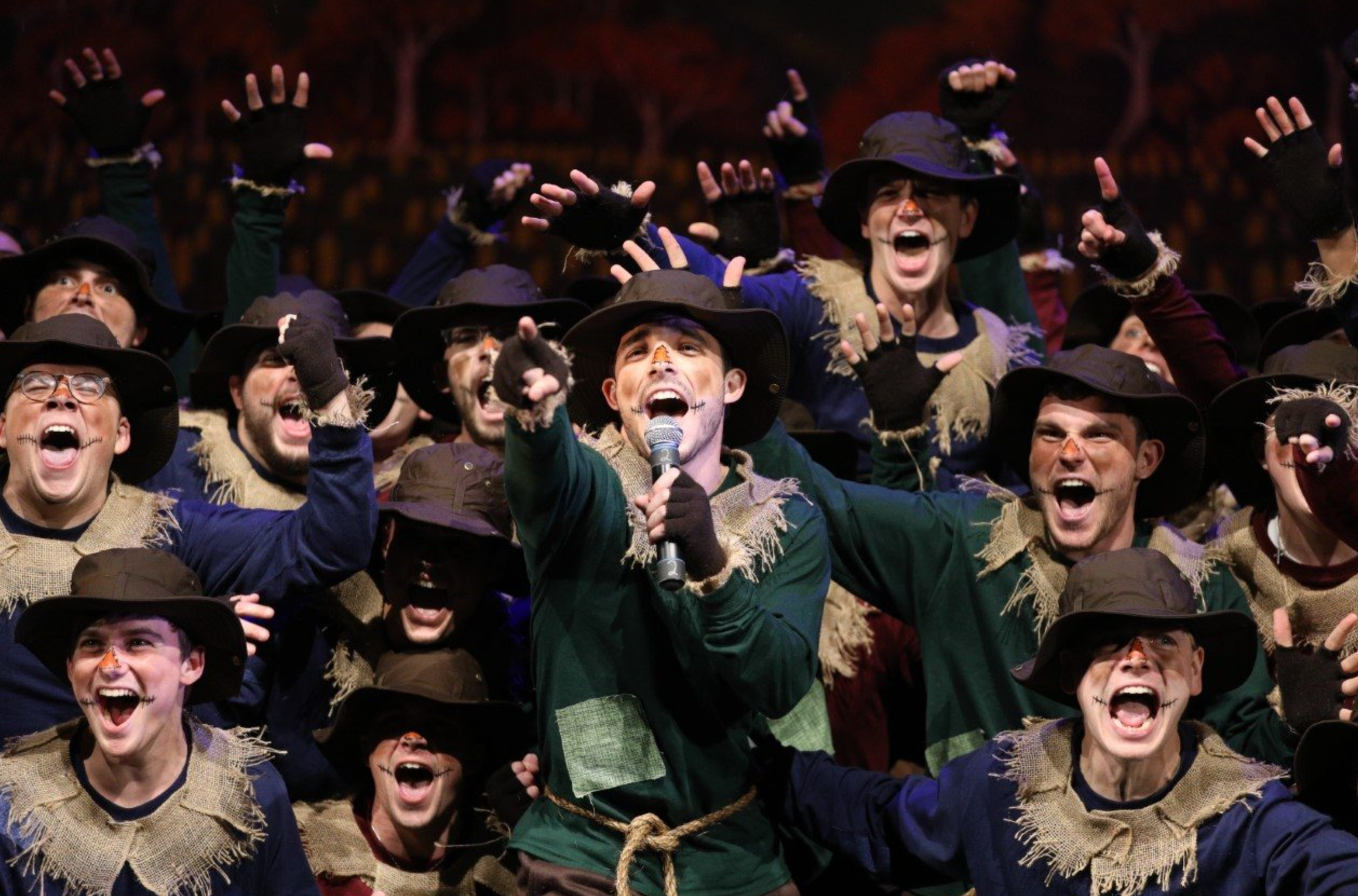
“So Tied Up” (2020)
Phi Kappa Chi stood out in 2020 with intricately detailed scarecrow costumes that reflected a high level of craftsmanship. The designs incorporated texture and layered elements that created visual depth onstage, helping performers fully embody their characters.
In a year where many productions relied on simpler visual approaches, the effort and creativity behind these costumes elevated the show and left a lasting impression.
The most successful Sing costumes add an attention to detail that fully immerses audience members in the performance. Whether through subtle accessories, exaggerated character pieces or immersive thematic design, costuming provides the visual framework that allows Sing productions to fully come to life.
Without an effective costume, the performance lacks the visual elements necessary for a cohesive production. Through careful thought and detailed orchestration, these costumes combined creative visuals with swag, making them among the most successful Sing performances over the years.