By Alexandra Brewer | Arts & Life Writer
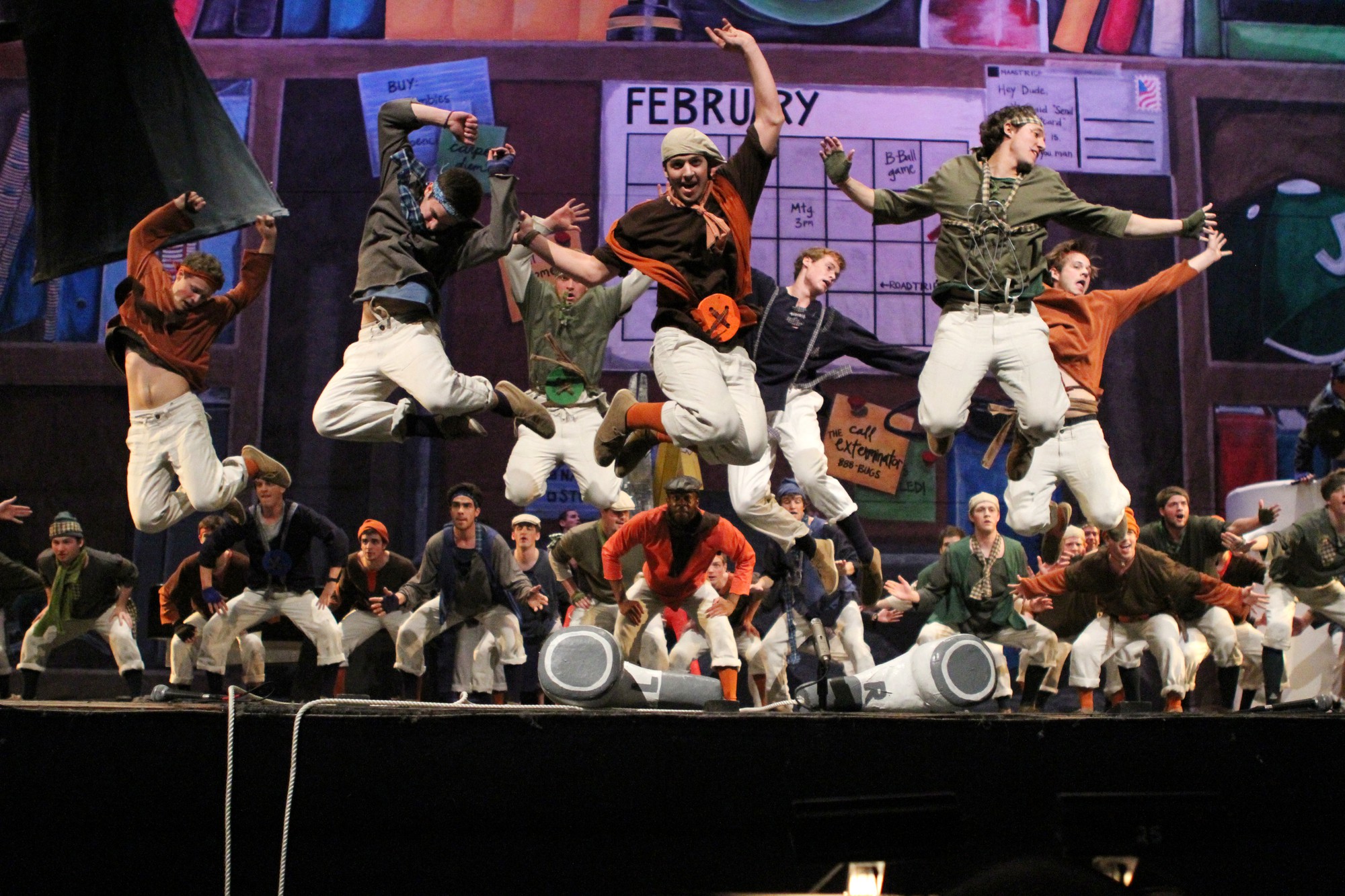
For decades, All-University Sing has been a cornerstone of Baylor life, connecting generations of students through a shared tradition. Alumni still remember the thrill of performances they were once a part of, while current students feel the excitement and responsibility of carrying that legacy forward.
For Brentwood, Tenn., senior Ella Hickman and head Sing chair for Kappa Kappa Gamma, Sing is more than a tradition — it’s a personal passion. Hickman grew up in theater and has been watching the event since high school.
“I would say I’m pretty well-known with it,” Hickman said. “Sing is actually a big reason why I chose Baylor, just because I grew up in theater and I loved it so much.”
Hickman said that past acts often focused on a simple theme with song and dance, whereas today’s performances are more complex, requiring a full storyline with a beginning, climax and ending.
“I think it’s changed tremendously,” Hickman said. “I think at least in the last couple of years, there’s been a shift. In the past, it was more so just a seven-minute act of song and dance, but I think nowadays it’s definitely more in-depth, where there’s a required storyline.”
The change has raised the bar for all participants. Every year, new elements and choreography push other groups to step up their game.
“It feels like this massive off-Broadway production,” Hickman said.
Even with modern technology and polished performances, Sing remains rooted in campus pride and tradition. Students still work to perfect blocking, costumes and choreography, while alumni return to relive the energy of the performances. Hickman said the presence of alumni adds motivation, rather than pressure, for performers.
For alumni from previous decades, Sing was both familiar and different. Shannon Seale, Baylor alumna and former member of Alpha Delta Pi, who performed in a “Charlie’s Angels” themed act in the early 2000’s, recalls rehearsals full of laughter and camaraderie.
“It felt more fun than competitive at the time, but I just don’t think that I realized how competitive it was,” Seale said.
Back then, rehearsal spaces were often unconventional, like small community theaters in Waco, and performers practiced without the modern tools available today. Still, production values were impressive, with complex backdrops, colorful costumes and stage makeup.
While Sing was founded in 1953, through the years, a large part of the magic has come from the hidden preparation.
“It was very important, secrecy and element of surprise,” Seale said. “We didn’t have Stacy Riddle until I was a senior, so we were much more secluded when we practiced.”
Sing in the 2020s continues to evolve while keeping its traditions. Fort Worth senior Katherine White competed with Sing Alliance as a freshman in the spring of 2023. She said her group focused heavily on research at the start of the semester, analyzing previous acts to learn what made them successful.
“We started our rehearsals at the very beginning of the semester by looking at previous sing acts that did really well and either won Sing or went on to Pigskin, and really just took into account what made them so good, whether that was the choreography or the cleanness of their act,” White said.
She hopes future students will remember this era for its originality and dedication.
“I hope that they look back on our performances and take some inspiration from us,” White said. “I think every act has done such a good job with originality of themes and costumes, and just so much hard work and dedication that gets put into it.”
What has changed most is access. Today, tickets can be purchased online, and performances are sometimes recorded for wider audiences. Social media has created new ways to share highlights, whereas past students relied solely on in-person viewing.
“Not a lot feels different except that I saw somewhere you could buy tickets to watch it online, and that’s pretty neat,” Seale said. “If you didn’t get them right away, you were totally out of luck.”