





By Giselle Lee | Staff Writer
Summer internships are often considered a bridge between studying and working. However, the nature and purpose of summer internships have evolved, making it harder for students to secure authentic experiences.
Despite this, the Baylor Career Center has helped students stay competitive with major companies. According to the 2025 Career Center Annual Report, over 8,000 student appointments were made to develop professional skills with the help of Baylor’s Career Success Professionals.
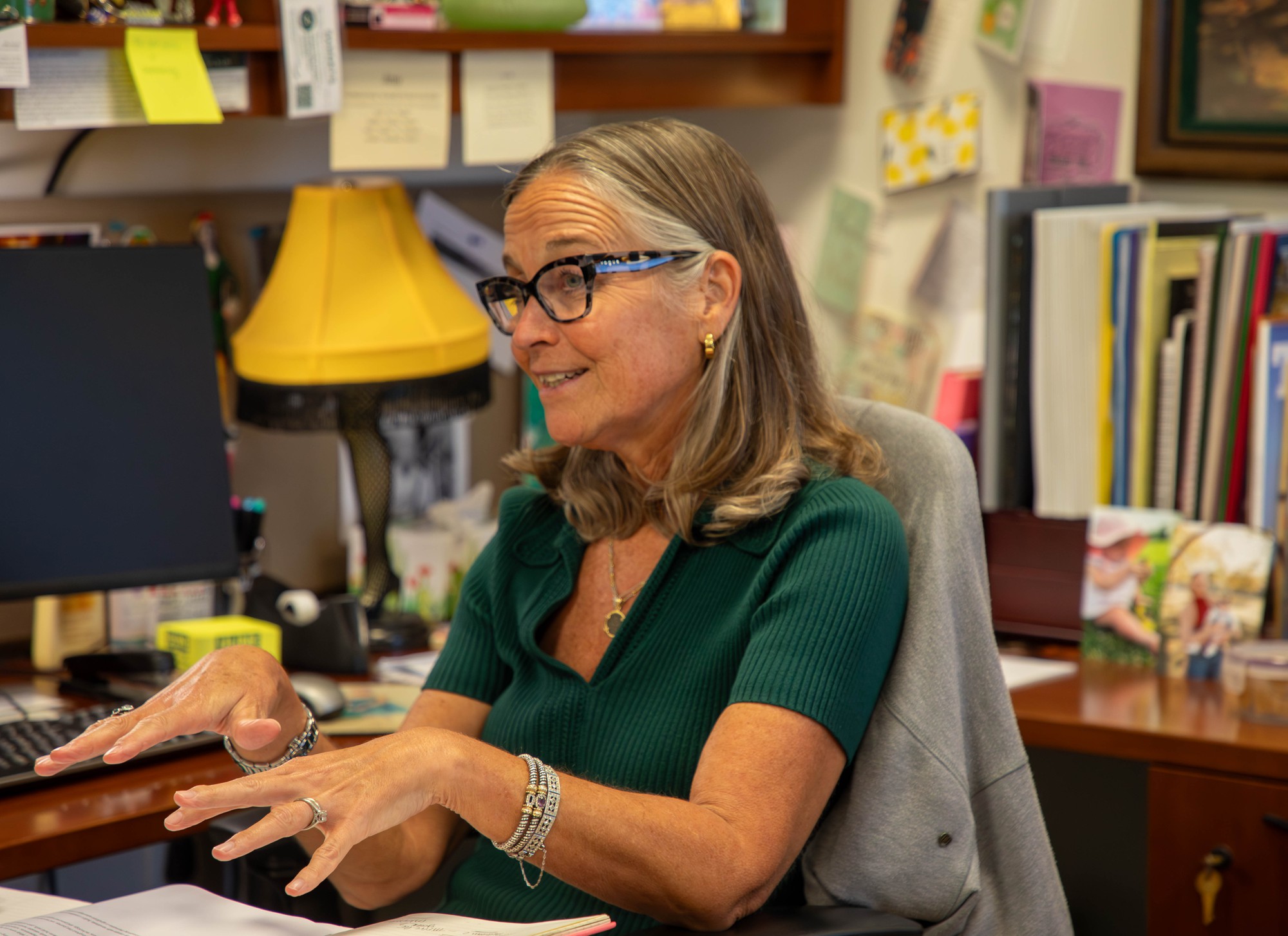
Amy Rylander, one of the Career Center’s directors, said Baylor applications are “good products” for companies.
“Baylor students bring a really strong combination of academic preparation, leadership experience, because we have almost 400 student organizations, [bringing] service-mindedness [and] professional development to the table,” Rylander said. “These are all great things are already out there. Companies that come to campus know that.”
Rylander suggested that “all experience is good experience” as companies don’t expect students to know everything, but rather to see how they fit into the company’s culture.
“If they pick you for an internship, they know you’ve got something that fits with them,” Rylander said. “Don’t be afraid of the imposter syndrome. Internships are meant for you to learn things. It’s all about building skills, that’s all.”
Apex, North Carolina, senior Taylor Gilson engaged in external communications at a North Carolina pharmaceutical company, Nova Nortis. Despite applying for 200 internships and not having “the right connections” to score one, events and programs provided by the Career Center set her up for eventual success.

“Career Day was so helpful in giving me the skills to interview for different positions, such as the STAR story and having people asking you questions about yourself, so you almost have to practice,” Gilson said. “Even though I didn’t end up getting an internship from Career Day, it helped me so much to even learn what to be able to say.”
Gilson said that her summer internship taught her not only about how to “bring people together” in a large company with “many moving parts,” but also how her experience from a business standpoint has better prepared her for a future in external communications.
“Being on a team of 10 people that are all doing public affairs and communications and learning how to communicate well with people gives you an opportunity to use unique events that show employees the value of a company,” Gilson said. “I’ve always wanted to do external communications, so I learned a lot about how you use your assets to benefit employees.”
Kapolei, Hawaii, senior Tristan Demotica, a summer analyst for J.P Morgan in the global private bank division in Houston this summer, had a slightly different internship journey, starting his recruitment process “a year ahead of time.”


“I was recruiting for my … internship [for] that summer between junior year and senior year as a sophomore,” Demotica said. “It began with narrowing down the firms I wanted to recruit for, then I found these individuals on LinkedIn, starting with Baylor alum, before it became a game about how many cold emails could I send before I got a coffee chat and a referral.”
Demotica credited his ProSales classes with enriching his summer internship by strengthening his communication skills, preparing client materials and proposing services to the firm’s prospective connections, which he said built his confidence and networking skills in securing a return offer.
“When I came into my internship and I was talking with bankers who have a lot more experience than myself, it was very easy to do it as it was a regular thing for me to do in ProSales,” Demotica said. “Another example is prospecting; a lot of those processes are finding them on LinkedIn, reaching out, cold emailing and finding information about potential clients, which allowed me to apply the same principles to my internship.”
Demotica said his internship not only helped him better understand the wealth management world but also how to be more efficient with “tiny pockets of time.”
Despite that, Demotica noted that Baylor can improve in “disseminating information” by giving upperclassmen a voice to talk about their own experiences.
“It’s so unfortunate sometimes when I hear juniors or seniors interested in high-level finance roles or other careers where you need to recruit a year ahead of time, and they just didn’t know where the timeline was,” Demotica said. “I think Baylor needs to do their own due diligence on the type of careers their students are interested in more. There is an interest once you tell them about it, but they have no idea how to break in.”
The Career Center will host Career Day Sept. 30 in Foster Pavilion, as well as an alumni-student networking event Oct. 12, to increase students’ exposure to various opportunities.


