By The Editorial Board
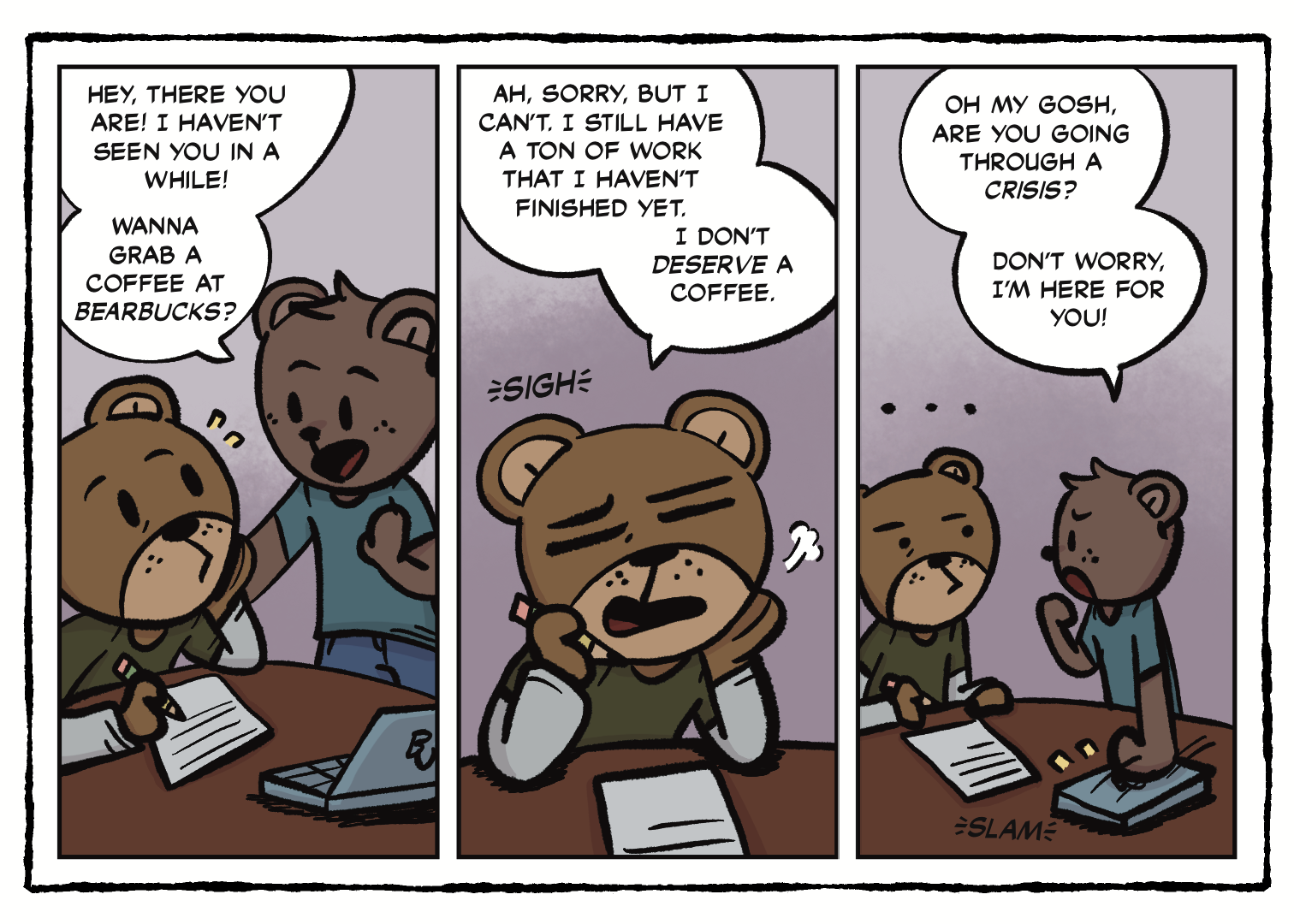
You have heard it before. You may have said it yourself. Something is a “crisis,” and it “needs to be fixed right now.” The word shows up casually in conversations about school, schedules and stress, long before anything has actually gone wrong.
A bad grade becomes an academic emergency. A packed schedule escalates into a mental breakdown waiting to happen. A stressful week is framed as the end of stability itself. The word “crisis” now floats through conversations, group chats and social media with alarming ease, stretched so thin that it has begun to lose its meaning.
This is not to dismiss stress or anxiety. Stress is real. Overwhelm is real. Mental health struggles are real. But not every moment of discomfort, pressure or frustration is a crisis. When we label everything as one, we do real harm to people who experience genuine emergencies and rely on systems designed to respond to true crises.
A crisis signals imminent risk, danger or inability to cope without urgent support. The body cannot stand the physical and emotional strain of a crisis indefinitely, according to the National Interagency Fire Center, which is the logistic support center for the United States. Crises are serious and demand intervention.
When we use that language casually, we dilute its power. Words matter, especially words that activate limited resources. When everything is framed as an emergency, nothing stands out as one.
College campuses see this play out every semester, especially at the beginning of a new one. New classes, new expectations, financial pressure, social adjustment and the constant hum of productivity culture all collide at once. The stress is intense and understandable. But stress does not automatically mean disaster. Stress is often a signal that something matters, that growth is happening and that we are being stretched beyond what is comfortable.
The danger comes when stress is treated as something inherently catastrophic. When every hard moment is framed as unmanageable, we deprive ourselves of the chance to build resilience. We begin to believe that discomfort equals danger, and that belief makes ordinary challenges feel unbearable.
This mindset also has consequences beyond the individual. Mental health resources are not infinite. Crisis hotlines, emergency counseling services and urgent intervention teams exist for people who are at immediate risk. When those systems are overwhelmed by situations that are serious but not emergent, response times slow and care becomes harder to access for those who truly need it most.
Overusing crisis language creates a hierarchy of urgency that is skewed toward noise rather than need.
Being careful with language does not mean being dismissive; it means being precise. Saying “I am stressed,” “I am overwhelmed” or “I am struggling” does not minimize pain but clarifies it. Precision allows others to respond appropriately and allows us to seek the right kind of support.
There is also power in learning how to use stress productively.
“Stress is natural,” assistant professor of psychology at Stanford Alia Crum said in a 2021 podcast. “Stress is inevitable when you’re living a life that’s connected with things you care about. And learning how to embrace it, learning how to work with it is really what helps us thrive and grow and perform at our highest level.”
Stress can motivate planning, communication and problem-solving when it is acknowledged rather than dramatized. Making a schedule, asking for an extension, visiting office hours or reaching out to a friend are not signs of failure. They are signs of engagement.
At the same time, it is essential to know when stress crosses into crisis. If someone is at risk of harming themselves or others, unable to function or experiencing a mental health emergency, that is the moment for crisis resources. Knowing who to contact and when is an act of responsibility, not weakness.
We owe it to ourselves and to each other to protect the meaning of the word “crisis.” When we use it thoughtfully, it retains its urgency. When we reserve it for moments that truly require immediate care, we help ensure that help is available when it is needed most.
Not everything is a crisis. Some things are challenges. Some things are growing pains. Some things are simply hard. Recognizing the difference does not make us less compassionate. It makes us more capable of responding with clarity, care and intention.
Baylor crisis services can be accessed here.