


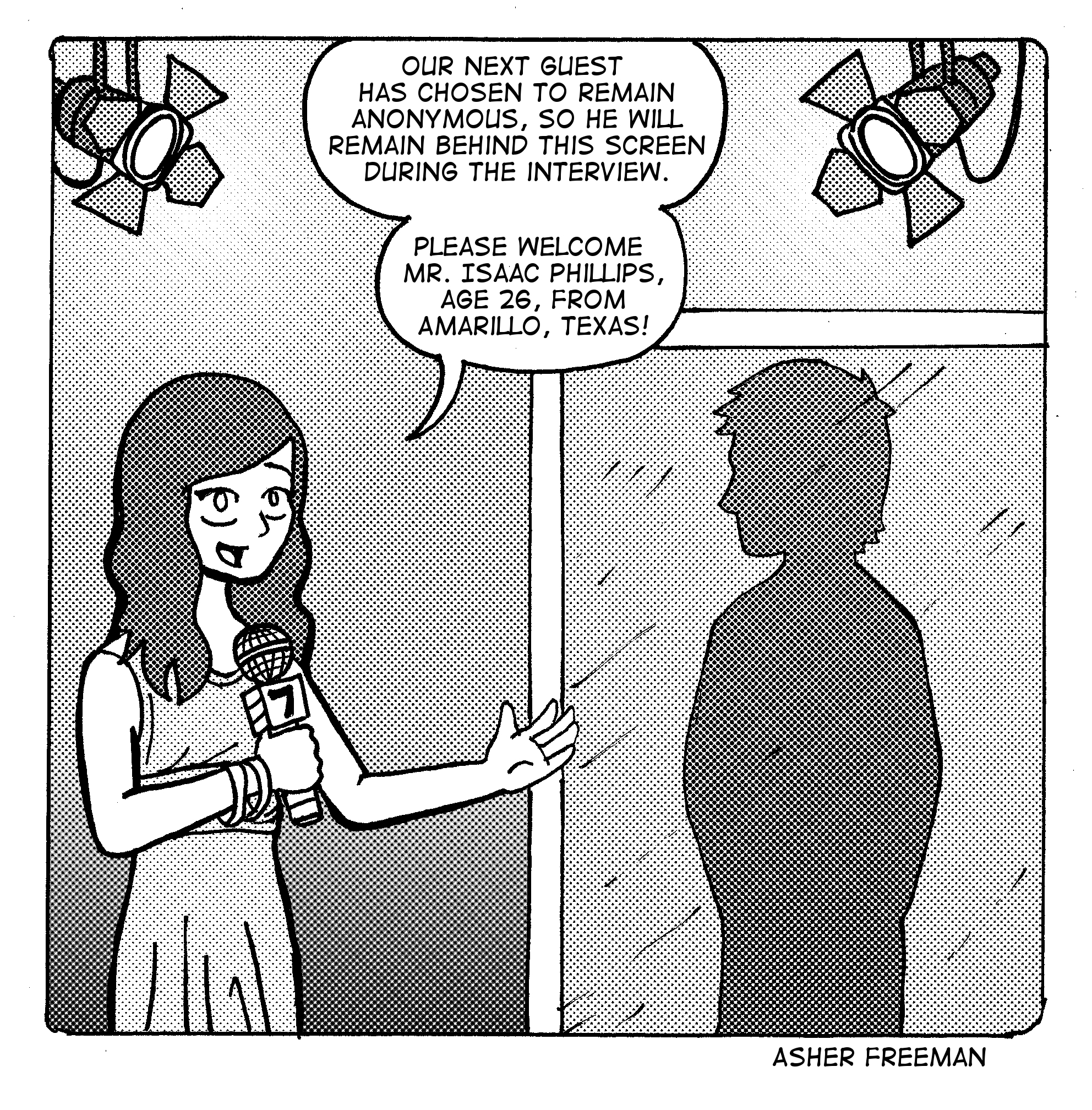
 We’ve all seen them. We all hate them: the countless bloggers, tweeters and commenters who incessantly force their consciousness into the Internet under the faceless mask of anonymity. And let’s face it: We do it, too.
Thanks to constantly developing technology, this is inescapable and pervasive. However, a recent bill proposed by an Illinois senator suggests these commenters should be ripped free of their masks and that anonymous Internet posts should be done away with completely.
Though anonymity on the Internet can be a huge problem contributing to bullying, racism and regular irresponsibility with words, it is a necessary evil. We don’t see it often, but there is a good side to anonymity on the Internet.
Proposed by Illinois state Sen. Ira Silverstein, the Internet Posting Removal Act would require anonymous website comment posters to reveal their identities if they want to keep their comments online. Anonymous posters would also have to agree to attach their names to the post and confirm their IP address, legal name and home address.
First, this bill would be a complete infringement of privacy.
The beauty of the Internet is that it is a unifying medium for people without the need for physical contact. We know the Internet is a dangerous place, but forcing all commenters to reveal their home address and legal name is just asking for unnecessary conflict with anyone who may disagree with their views.
Furthermore, this bill would limit the marketplace of ideas that the Internet provides and endanger people’s confidence to speak their minds on sensitive subjects. Heated subjects like gay marriage, religion, politics and racism, which are still somewhat taboo in the real world, are discussed with great enthusiasm online by people who want to speak out while still protecting their reputations and jobs.
Enacting the anti-anonymity bill would increase the possibility of people’s livelihoods and reputations being damaged by harsh judgments of their comments.
There isn’t supposed to be any retribution at work or school for having given your honest opinion on something you care about, but in reality, there can be serious repercussions for speaking your mind.
We hear stories of people being fired because they posted their political or religious views online, though employers are specifically restricted from hiring or terminating someone based on these beliefs according to federal law. The anti-anonymity bill would only destroy one of the last safe havens we have for truly open discussion on things we are afraid or forbidden to talk about in real life.
What’s more, this bill is unconstitutional. Several Supreme Court cases have upheld the right to publish and distribute anonymous pamphlets or handbills. Being able to distribute information under pseudonyms or even no name at all has been an essential factor in the formation of this country.
In 1960, in the case of Talley v. California, a man was convicted of violating a city ordinance that prohibited the distribution of any information that did not have a name and address attached to it. The man protested the ordinance, saying it was a violation of his First and Fourteenth Amendment rights.
The Supreme Court reversed the man’s conviction and deemed the ordinance unconstitutional, asserting that anonymous leafleting and pamphleteering is protected speech.
Several similar cases appeared in Arizona, Arkansas, Massachusetts and so on. And in every case, the court upheld its tendency to support of anonymous leafleting. There is no reason on earth why this should not apply to online posts as well.
The Federalist Papers were published under fictitious names, along with other anonymous works that helped the colonies of old adopt the very Constitution that is threatened by this bill.
Protestants in the 16th and 17th century England often found that anonymous pamphleteering was their only recourse for protesting the monarchy’s then-repressive and authoritative policies on religion. The most powerful speeches against slavery were published under fake names for fear of public ridicule, being tarred and feathered or even hanged.
Anonymity, while not always necessary, is often essential to maintain freedom of expression.
The most important moments in American history have come about based on this fact. The Internet Posting Removal Act would only serve to repress free speech more than it already has been repressed in this post-9/11 world.
Yes, the world is more dangerous and sensitive than it has ever been thanks to the Internet, but the solution is not to violate our individual rights.
We should know.
It’s never worked before.
