By Elliott Nace | Assistant News Editor
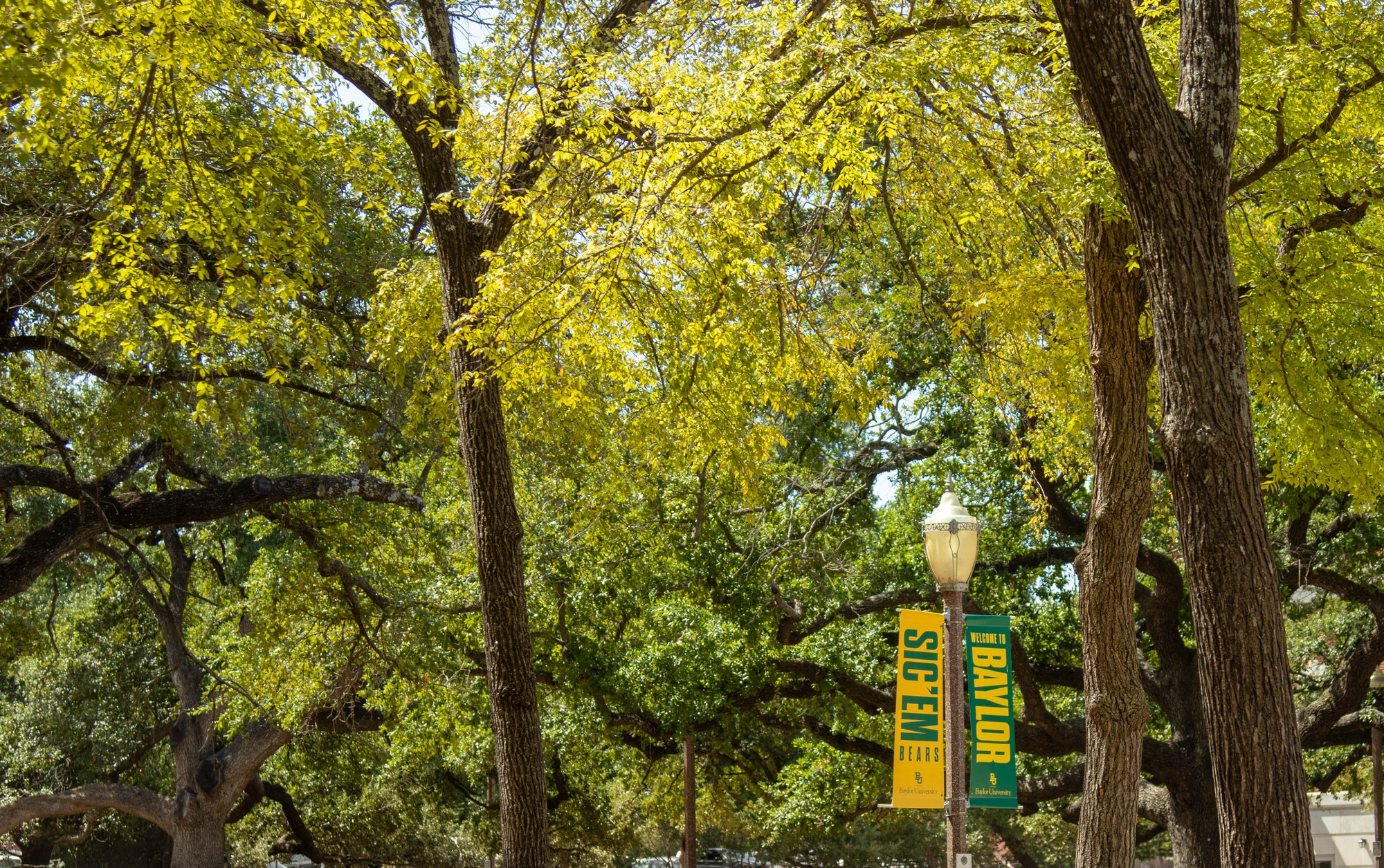
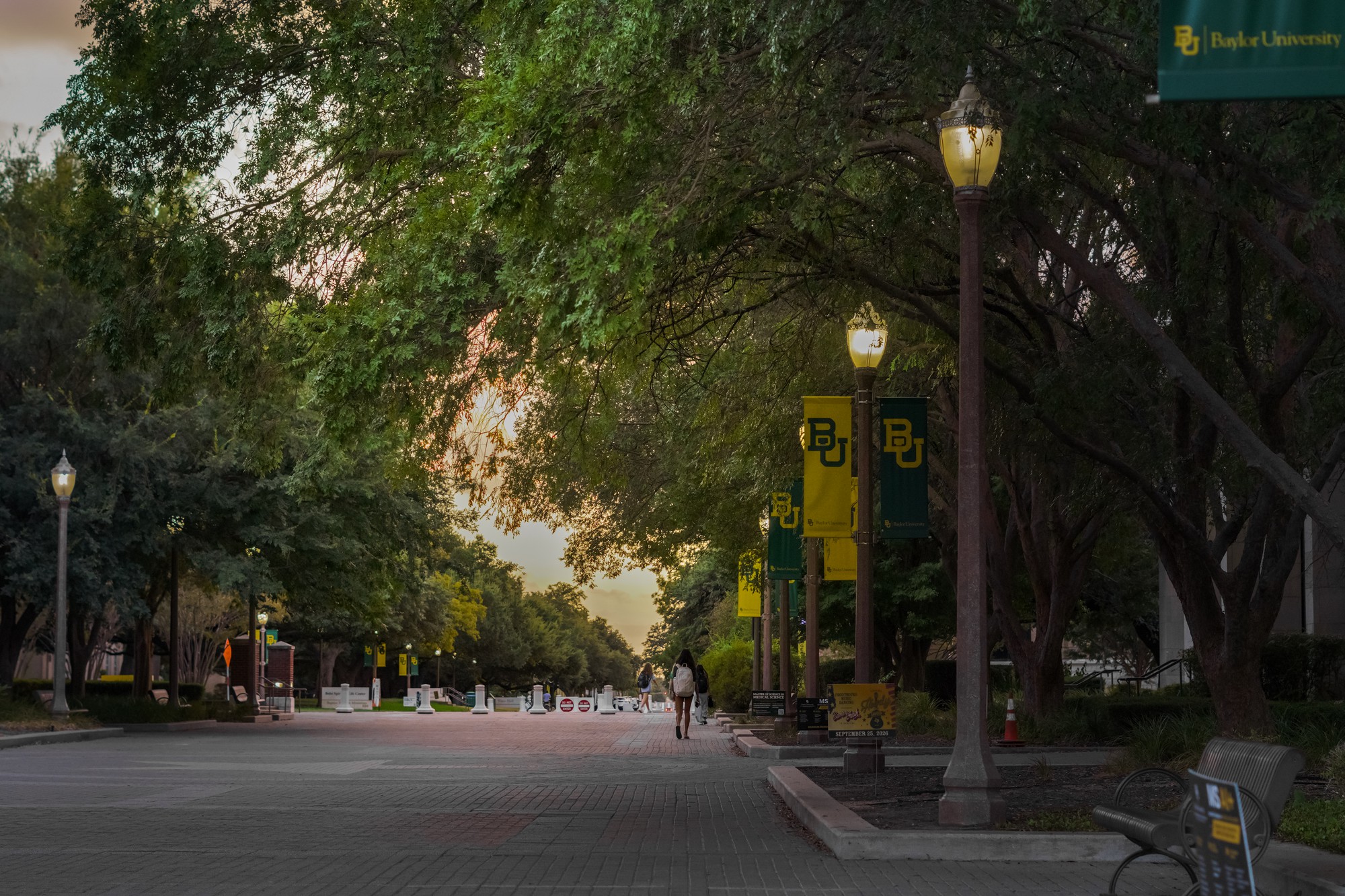
Baylor boasts more than 3,000 trees across its approximately 1,000 acres. The red brick at the heart of campus meets a thick lattice of century-old oaks, shading pedestrians as they move through the university’s most precious testament to its history.
Now more than ever, Baylor seeks to protect its trees at both the institutional and academic level. New initiatives from faculty, staff and students over the past few years have all worked to further the Baylor mission of stewarding God’s creation.
| Photographer
Houston senior Emma Metcalfe said she “had never taken a second to sit with Baylor’s campus.” That was until her junior year, when a well-placed bench gave her a perfect view of one of Fountain Mall’s most sprawling and beguiling trees.
The tree tagged 2733, a 30-foot-tall live oak whose branches stretch out in all directions, sits nestled behind the Bill Daniel Student Center and the bustle around Rosenbalm Fountain.
Metcalfe needed to complete British Literature to graduate. Yet her section, taught by Director of the Environmental Humanities Minor Dr. Joshua King, allowed her and her classmates to give Baylor’s trees voices of their own.
“[My classmates] were like, ‘I never come to this side; I never see this part of campus,’” Metcalfe said. “It was really nice to be able to just slow down and, in the midst of all the chaos, find some joy and tranquility.”
King’s fall 2025 section was the inaugural outing of the Baylor Tree Stories Project, a collaboration between faculty and the Office of Sustainability intended to encourage “affection for our arboreal neighbors at Baylor and beyond.”
Other professors saw the academic potential of a course centered on Baylor’s trees.
Dr. Tamarah Adair, director of undergraduate research in the Office of Engaged Learning, began work in 2019 on a new, catch-all science course designed to familiarize students with the essential building blocks of scientific theory and experimentation.
“We wanted to use the inquiry-based approach, where students [are] working on a real problem, a real challenge, learning how life really matters at some level,” Adair said.
BIO 1105, better known as BU-TREES, now instructs 1,200 STEM and pre-med students a year, with on-campus trees as its primary teaching aids.
The “challenge” BU-TREES addresses, Adair said, is how preserving the environment on Baylor’s campus can serve as a localized remedy for global deforestation.
“When you look at [an] urban forest, it changes the health of the people living in that area because [trees] provide clean air and shade and mental wellness,” Adair said. “We just felt like this was a great opportunity to build out a way for students to learn the processes of science … we put it all together in this one project where each section has a tree and [students] adopt this tree and they go out to the field.”
Students’ classroom engagement with trees naturally tied into Baylor’s next major sustainability development: an interactive map with a tree inventory featuring coordinates and species information.
“You might notice when you walk around that the trees have silver tags on them,” Adair said. “Prior to that, we had an older campus map that Facilities had put together on their own, with some student workers going out to get the GIS coordinates for them.”
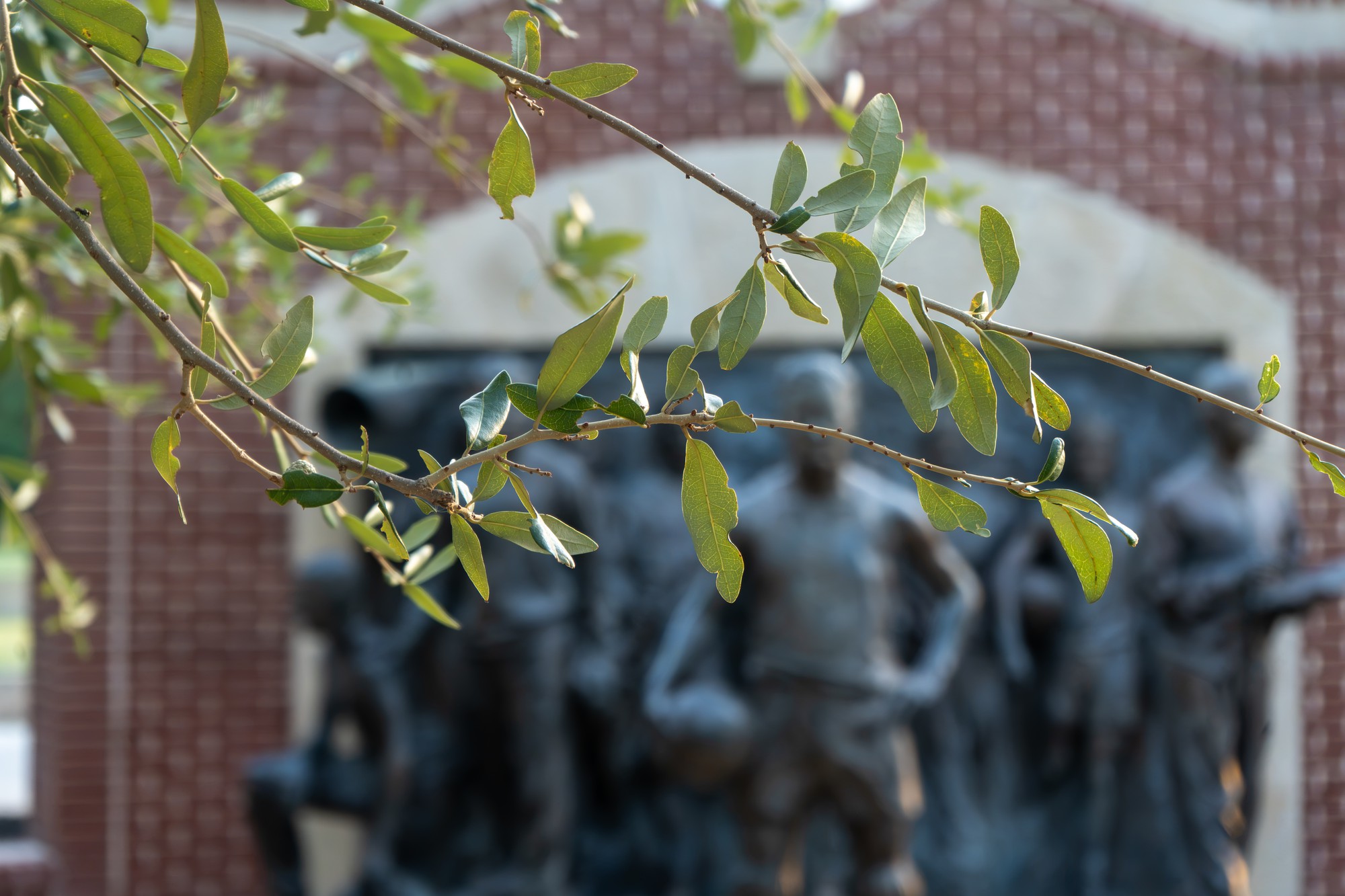
Joint efforts by faculty and Facilities Management to improve tree awareness culminated in Baylor’s campus receiving Tree Campus Higher Education certification from the Arbor Day Foundation in 2025.
Marlo Treece, a Baylor alumna and biodiversity eco rep for the 2024-25 academic year, spearheaded the Office of Sustainability’s effort to help Baylor earn this certification.
According to Senior Director of Sustainability Gary Cocke, Treece worked alongside university groundskeepers, arborists within the Waco area, faculty and students as she assembled an application for the certification on Baylor’s behalf.
“It’s one of those things that makes me feel good because it’s a value to us as a university,” Cocke said. “Marlo, I think, would attest that she learned a lot in this role that she’s carrying forward into her graduate studies, and then hopefully a career related to the environment as well.”
Cocke said Baylor’s collaboration with the Arbor Day Foundation comes with certain requirements for campus maintenance, such as frequent planting and integration of trees into Baylor’s academics. He explained how tree awareness at Baylor has also contributed to a renewed sense of community.
“One foot leads the other,” Cocke said. “As you have more people that care, you’re able to do more and more with how you are able to push the envelope for [caring] for the trees.”
Adair said potential expansions to Baylor’s tree documentation, such as pictures of leaf stomata and DNA sequences, may come in the future.
“These pictures of the mouths of the trees vary across species, and they’re really gorgeous,” she said. “They’re like artwork.”
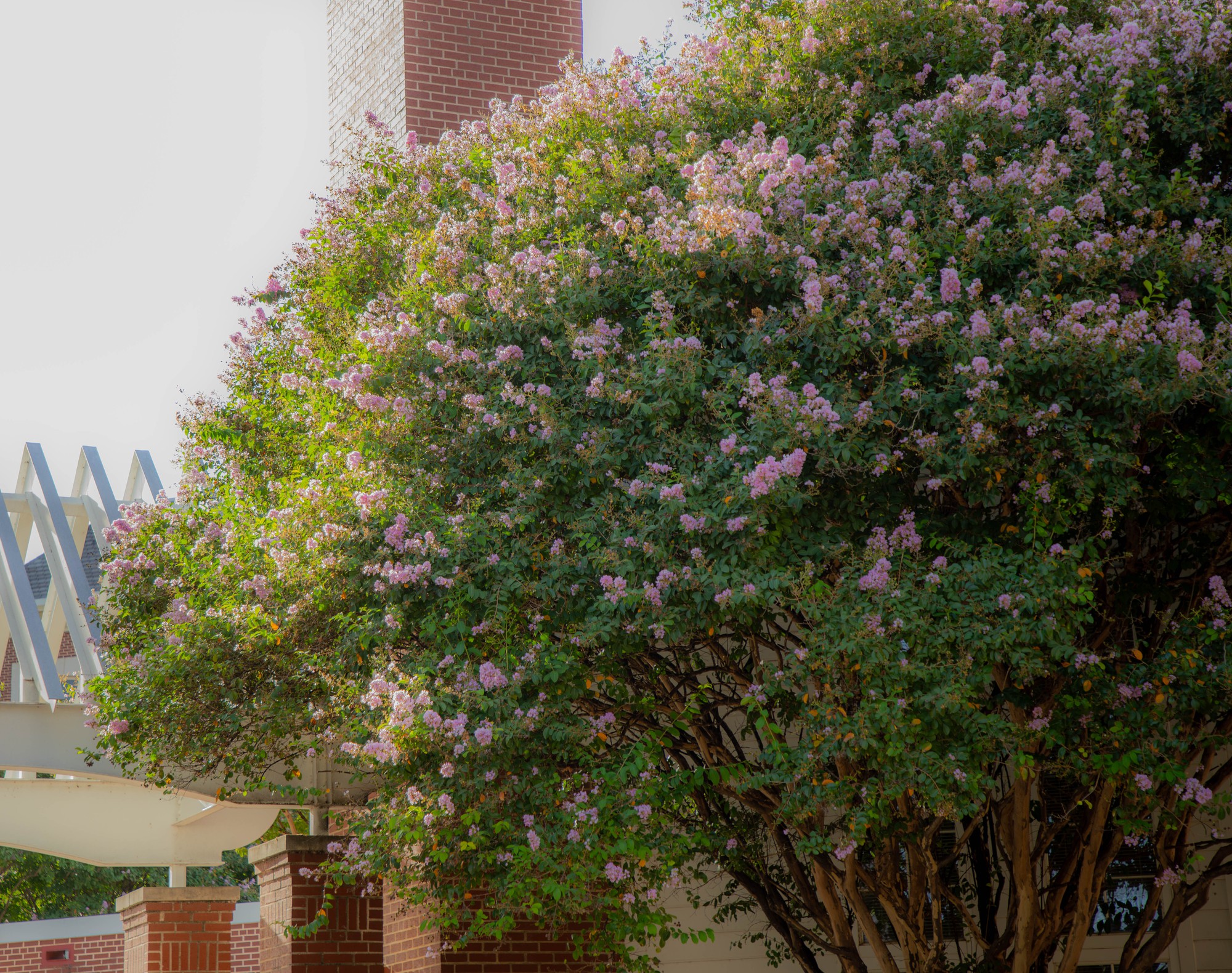
Cocke collaborates closely with leadership in Facilities Management, namely University Architect David Bess and Assistant Vice President for Facility Services Chad Crocker, each time trees need attention or need to populate a new campus development.
“Both [Bess and Crocker] are critical contributors to what we do on campus,” Cocke said. “We’ve talked about what the appropriate canopy coverage would be for our campus overall, and the number … should [be] somewhere around 30% canopy coverage for this area, and we’re very close to that.”
Waco sits in Texas’ Blackland Prairie ecoregion, with Baylor’s campus acting as a riparian zone that leads into the Brazos River, Cocke said.
Adair, whose office looks out at the man-made oak grove weaving throughout the Quad, has a particular love for the mature trees thriving in the Baylor ecosystem.
“I feel like whoever laid out the campus had in mind [that] this needs to be an inviting place, a place where people want to spend time together, to be outdoors and to have conversation,” she said. “It’s very inviting to sit out under the big oaks around here.”
Cocke said he takes pride in Baylor’s ability to bring its academic expertise and Christianity into its campus aesthetic, citing the Baylor Tree Stories Project in particular.
“[The project] is a reflective and individual experience,” he said. “If people are able to find their personal reason for why they should care for nature and the way that their value systems align for caring for the environment, then that is really profound in a way that we aren’t able to engage people in … when we’re just talking about the science of different things.”
Adair credits her faith as the main incentive behind her work with both students and trees.
“I’m a biologist, but I have an idea of good water, good soil, good air, loving the earth: being someone that sees creation as beyond just human creation,” Adair said.
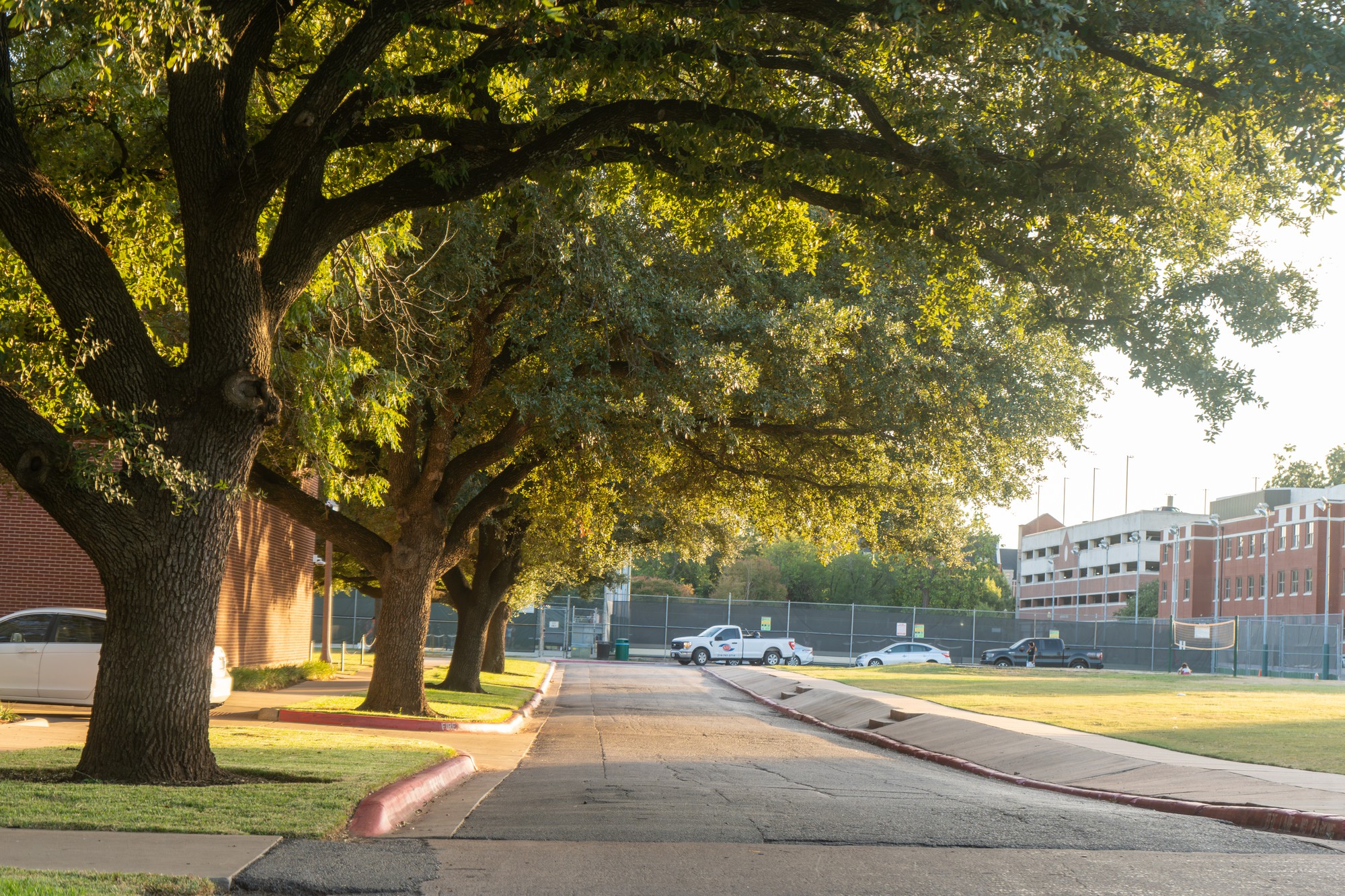
Even though Metcalfe knew that Baylor’s campus would be smaller than others in the Houston area, she said observing her tree helped expand her view of Baylor outside the classroom.
“I didn’t realize how many trees Baylor had on its campus before taking [Dr. King’s] class, and I have grown a fond appreciation of just how much nature and life there is, aside from us, that Baylor has to offer,” Metcalfe said.
Trees may seem like one of the more unassuming features of Baylor’s campus, but as Metcalfe said in her tree story, “something we walk past aimlessly can be your anchor through all seasons of life.”