By Stacie Boyls | Arts & Life Writer
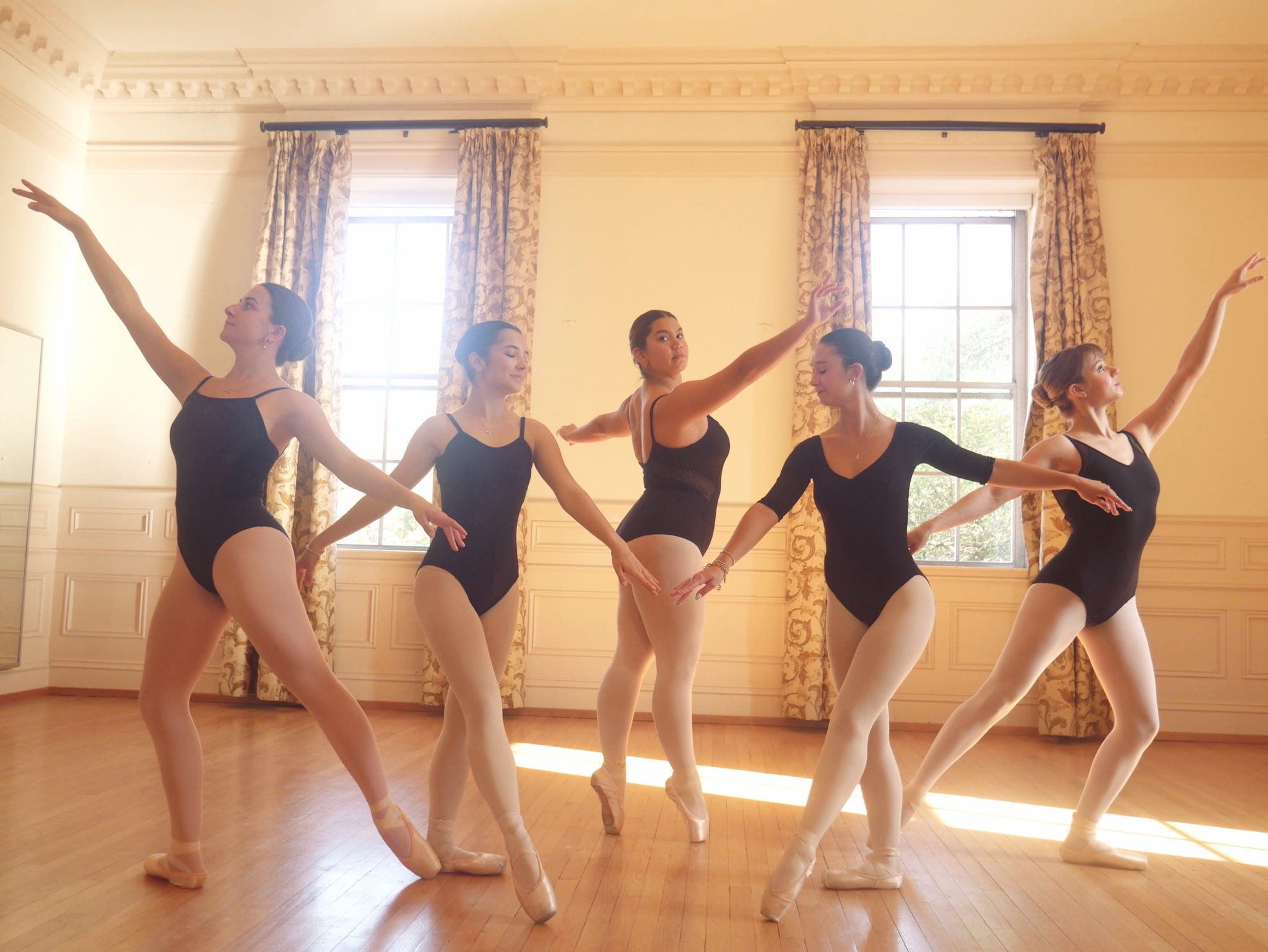
In a recent interview with Matthew McConaughey, Timothée Chalamet sparked controversy by saying he didn’t want to work in ballet or opera because “no one cares about this anymore.” While this has sparked conversation on the relevance of these areas, students across both art forms disagree with Chalamet’s take.
Woodway senior Katy Jones, a ballet teacher and viola performance major, said the criticism reflects a broader disconnect between modern audiences and classical performance traditions.
“Film acting only exists because of theatrical art that came before it, like opera and ballet,” Jones said. “Calling it irrelevant ignores the foundation of the entire industry.”
Jones compared attending opera or ballet to a luxury experience, noting that accessibility, not interest, often limits audiences.
“It’s like fast food versus a Michelin-star restaurant,” she said. “People don’t go because they can’t always afford it, not because they don’t care.”
Across campus, students involved in dance and opera echoed that sentiment, thus challenging the idea that these art forms are fading.
Plano freshman Eva Strauser, who has trained in ballet since childhood, said the emotional depth of ballet is what keeps it enduring.
“Every time I watch a ballet, I get emotional,” Strauser said. “It’s not just dance — it’s storytelling through movement. It connects to painting, sculpture and even cinema. That’s why it’s lasted so long.”
Strauser added that while ballet may not dominate mainstream entertainment, it remains widely practiced.
“Every class I’ve taken is full,” Strauser said. “There are still so many people who love it.”
Deer Park senior and Bear Ballet president Eva Lampasas described the art form as both structured and expressive, a balance that continues to attract dancers.
“Ballet was the foundation for so many other styles,” Lampasas said. “It set the standard for how performers present themselves, whether on stage or on screen.”
Lampasas also emphasized the role of social media in revitalizing interest. Platforms showcasing choreography and training have made ballet more accessible to new audiences, she said, helping reshape its image beyond elitism.
Opera students say their discipline faces similar misconceptions.
Waco senior and vocal performance major Mackenzie Block said opera performers’ demand is often underestimated.
“It’s all the best parts of music and theater combined,” Block said. “It’s intellectually challenging, physically demanding and incredibly rewarding.”
Atascocita senior and vocal performance major Ella Selden emphasized the technical precision required to succeed in opera.
“In musical theater, you have to be good at a lot of things,” Selden said. “But in opera, you have to be really, really good at singing. The technique and training are on another level.”
Opera training requires months of preparation, language study and vocal technique, often without the support systems seen in larger productions. Students frequently build sets, source costumes and rehearse for hours each week, all for the love of the game.
“There’s a misconception that it’s boring or inaccessible,” Block said. “But opera can be hilarious, dramatic — everything you see in modern film already existed in opera hundreds of years ago.”
Students pointed to works like “Le Nozze di Figaro” as examples of storytelling that still resonate today, standing the test of time.
“We’ve been laughing at the same jokes for 500 years,” Selden said.
Beyond entertainment, students argue that opera and ballet offer reflections of the human condition, preserving history, culture and emotion in ways that newer media often build upon.
“Opera has always been a mirror to society,” Block said. “It shows us who we were, and who we are.”
While some students expressed disappointment in Chalamet’s comments, others noted an unexpected outcome: renewed attention.
“It’s kind of united people,” Block said. “Even if it came from something negative, it’s reminded us why these art forms matter.”
Lampasas furthered this sentiment, commenting on the abundant opportunities that participating in these art forms creates, regardless of age.
“There’s a place for everyone in ballet,” Lampasas said. “You don’t have to look a certain way or start at a certain age. You just have to start.”
Lampasas said that opera and ballet are not relics of the past, but living, evolving art forms that continue to influence the very industries that question their relevance.
“They walked so modern entertainment could run,” Jones said. “And they’re not going anywhere.”