By Camille Kelly | Reporter
At the core of Baylor’s guiding principles as a university are its obligations as both a Christian and research-based institution. At this year’s annual Symposium on Faith & Culture, the largest one yet, researchers and experts from around the country will discuss, debate and explore questions surrounding Artificial Intelligence.
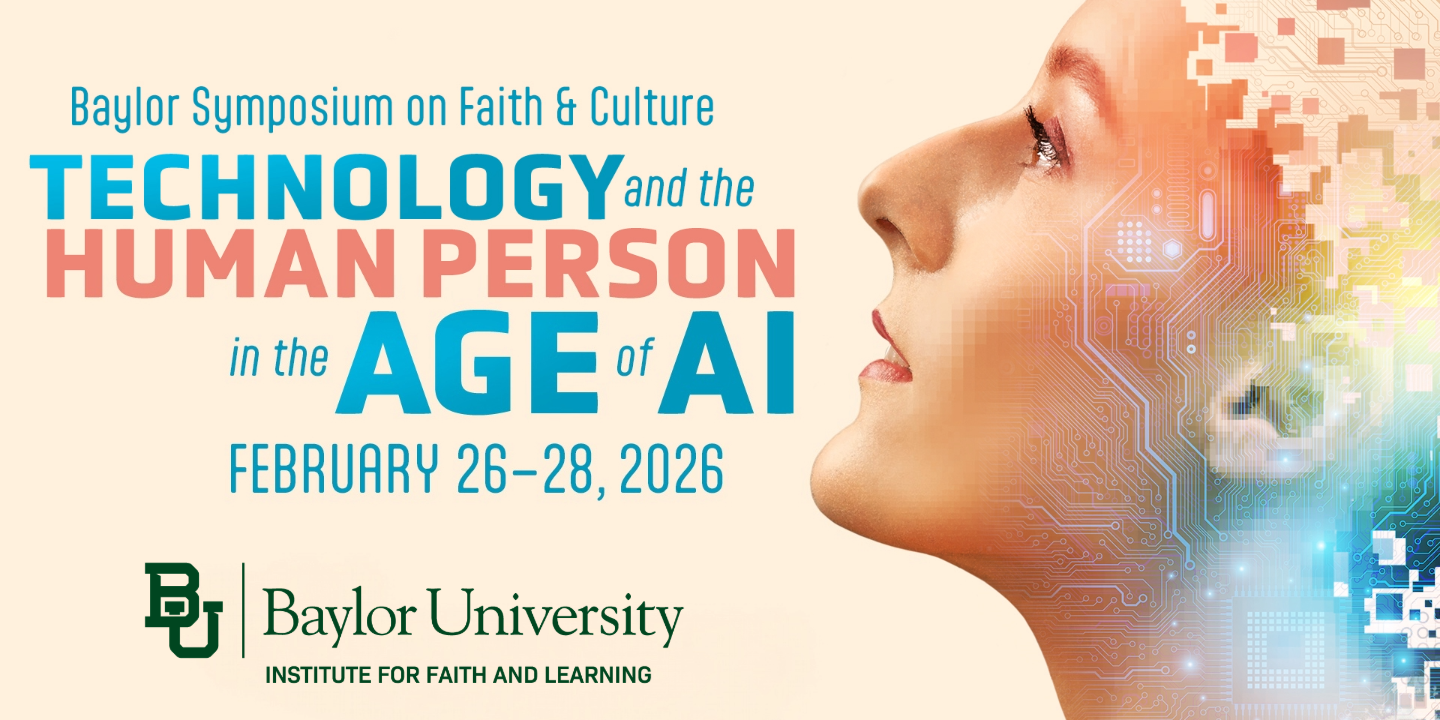
The “Technology and the Human Person in the Age of AI” conference will be held on campus Feb. 26-28 and is free to Baylor students, faculty and staff. The schedule of speakers and events is located in the Guidebook app.
“Part of the reason people are at college is to engage in these hard and challenging discussions that have a huge impact on our life,” Dr. Elisabeth Kincaid, director of the Institute for Faith and Learning, said. “I think it would be a really wasted opportunity to miss it, particularly because … if they preregister, they can also go to the meals for free.”
According to Kincaid, this conference draws from both Christian and secular universities across the country, bringing together interdisciplinary scholars who are interested in examining questions through the lens of faith.
“We’re looking pretty broadly, not just about AI specifically, but about our understandings of what it means to be human, how we should use technology,” Kincaid said. “And of course, from that, thinking about how our relationship with God, our relationships to other people and our relationships with the world are affected and impacted by AI.”
This conference is historically the largest event on the Baylor campus every year, and this year will be the largest yet, with over 700 people currently registered, according to Kincaid.
“I don’t think anyone’s in any doubt about the importance and the impacts of AI,” conference speaker and Baylor professor of theological bioethics Dr. Neil Messer said. “This is a great opportunity to join in the conversation, to learn more together about how we think about these questions and how to respond to them from the standpoint of the Christian faith tradition that Baylor represents.”
Messer said that the conversations about the balance between the benefits, promises and risks of AI make this conference a unique opportunity for attendees.
Messer has also been involved in leading various other pieces of work and ongoing dialogues about AI ethics and faith, including an AI Ethics and Data Research Group with Kincaid and other Baylor faculty.
Baylor’s goal every year with the Faith & Learning Symposium has been to provide a space for people to have difficult conversations in a Christian environment, and this year is no different, with a wide range of opinions and professionals represented.
“We think as Christians that it’s really important that we ask these significant ethical meaning and purpose questions that go beyond just talking about AI as a tool, because we think the world is asking them and that a Christian research university like Baylor offers some really unique perspective that we can bring to that discussion,” Kincaid said.
The conference will include a host of speakers, including theologians, technologists, scientists, administrators, ethicists and educators, all discussing the ethical and theological implications of AI technologies. Students are encouraged not only to attend, but also to engage in the conversation about AI at a university level.
“I hope this conference equips students to be aware of both the opportunities and the challenges of AI and gives them some clear perspectives on how to respond to those opportunities and challenges,” Messer said. “How to recognize the positive things that AI can do for us, but also how to be aware of the ethical concerns that we need to take seriously, and how to think through those concerns.”