By The Editorial Board
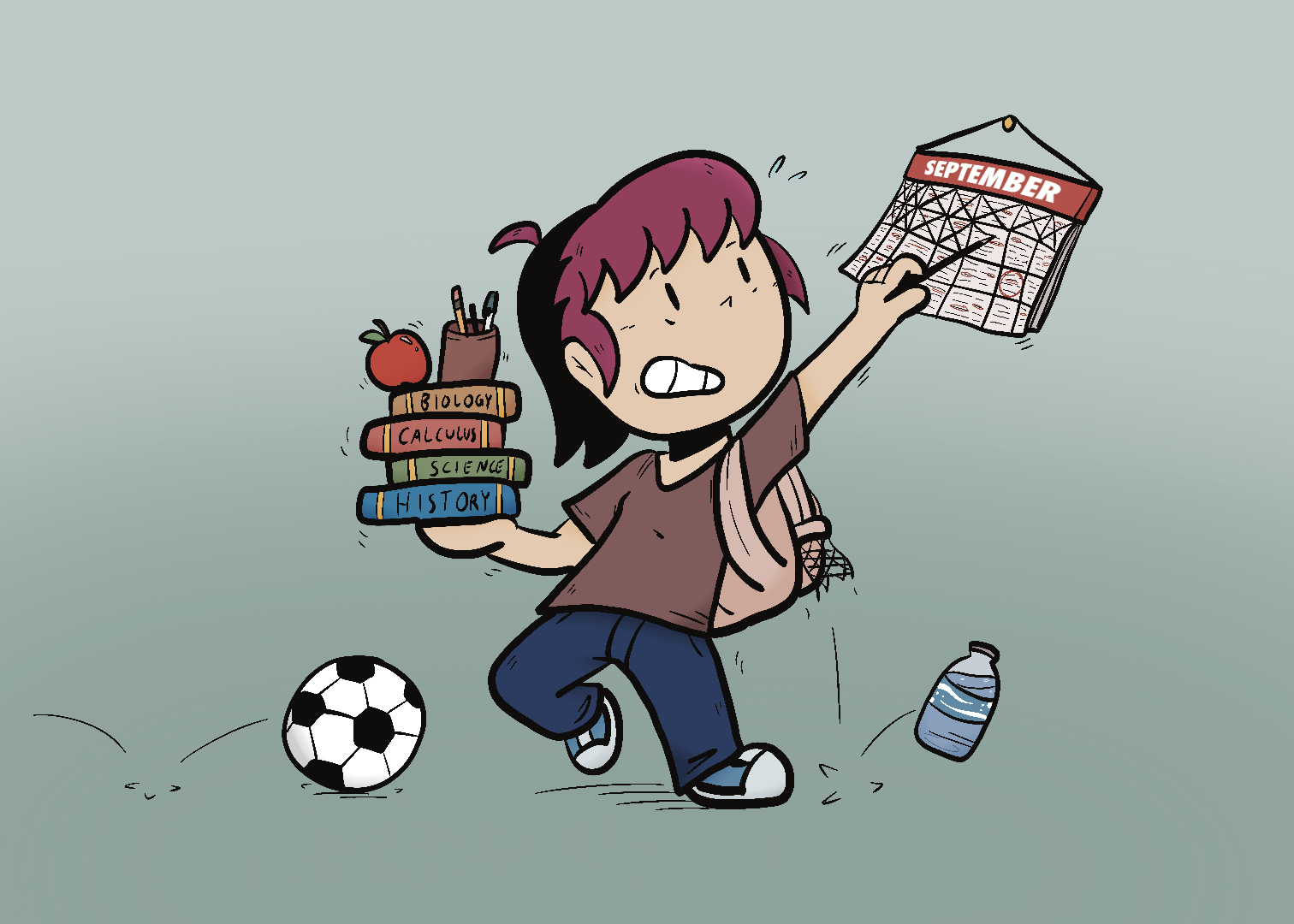
When people warn you about the “freshman 15,” they usually mean too many late-night snacks, Dr Pepper refills and dining hall desserts. But the scary version isn’t the number on the scale. It’s the freshman 15 of distractions — 15 clubs, 15 group chats, 15 events you swore you’d go to and 15 stressors you didn’t actually need.
The moment first-years step onto campus, Baylor makes sure they feel welcome. Maybe a little too welcome. Welcome Week is like a marathon disguised as a party: move-in, new groups, residence hall meetings, nighttime worship and mini golf.
The Celebration of Community and Faith has every congregation in the greater Waco area offering free food, merchandise and a spiritual family. Each booth hints that maybe this is the one you’re meant to join. Next thing you know, it’s Sunday, and you’ve visited four services that are all just “so perfect.”
And then the experience of Late Night comes, where hundreds of booths are crammed onto Fountain Mall. Choirs, cultural clubs, ministries, club sports, pre-professional societies, volunteer programs — all beckoning you with free T-shirts and promises of belonging.
Before you’ve memorized your class schedule, you’ve signed your email away to 10 different interest forms and joined three GroupMe’s you’ll never read. Add to that the clubs your roommate insists you “have to do together,” the floor group chat pinging at all hours of the day and invitations to study groups that never end up studying. Before you realize it, you’ve picked up a load heavier than any fast food dinner from the grease pit could ever be.
At first, this pace feels electric — after all, this is what college was supposed to be, busy, buzzing, overflowing with opportunity, right? You tell yourself that having a fully blocked schedule is proof that you’re doing college right. But underneath, there’s a lingering motivation that no one talks about: fear. Fear of missing out, fear of falling behind, fear that if you don’t say yes, you’ll never find your people. And maybe most of all, fear of sitting still long enough to realize how much you miss home.
Homesickness hits everyone differently. For some, it’s the lonely moments of silence after hanging up the call with your mom. For others, it’s realizing you don’t know anyone well enough yet to call when you’re at your lowest. And instead of letting yourself feel that discomfort, it’s easier to drown it in distractions: another event, another meeting, another late night pretending everything is fine. FOMO doesn’t just push you to the next ice cream social or group hangout — it convinces you that rest is equivalent to loneliness, that stillness means missing out.
But here’s the problem: you don’t yet realize how much work it takes just to be a freshman. Adapting to a new campus, new friends, new professors, new independence, new expectations — all of that is its own full-time job. Add on classes that are harder than high school, adjusting to new study habits and the emotional toll of living away from home, and your plate is full.
Overscheduling, even with positive activities like sports, music and volunteer work, can actually harm mental health rather than help it. According to a study from the National Education Association, students involved in too many activities reported higher levels of stress and anxiety. They often saw their academic performance dip as a result. In other words, even the “good” opportunities can become “too much” if you pile them all on at once.
And then there’s the resume pressure. Freshmen hear over and over again that college is the time to build connections, increase experience and get involved. And sure, internships and graduate schools like to see leadership positions and community involvement. But here’s the hard truth: if your GPA tanks, a mile-long list of extracurriculars won’t save you. Employers and graduate schools care more about how you performed academically than how many clubs you were in for half a semester. A well-chosen handful of activities you’re genuinely invested in will mean far more than 15 surface-level commitments that leave you exhausted and distracted.
And this is exactly the trap so many freshmen fall into. In the rush to find their people and their place, they forget that no one can realistically do it all. It’s easy to confuse “involved” with “fulfilled,” but those are not the same thing. We seek the latter, and believe the former will enable it. The reality is that being stretched too thin from over-involvement keeps you from giving your best energy to the things that actually matter most — the things that give you fulfillment.
So what’s the solution? It’s not avoiding involvement altogether — it’s being intentional. Pick one or two commitments that genuinely excite you, and let the others wait. Baylor’s clubs, ministries and organizations aren’t going anywhere; you can always join later once you’ve found your rhythm. The friendships that last won’t come from showing up to every single event, they’ll come from the people who stick around even when you say no.
The freshman 15 of distractions is heavy, but it’s not inevitable. No one gets a gold medal for having the best color-coded Google Calendar filled from sunrise to midnight. Fulfillment comes from having time to linger in the dining hall with your friend instead of sprinting to the next meeting. It’s giving yourself permission to admit you miss home without compensating for the ache with a new friend group. It’s realizing that rest and reflection are not wasted time, but the foundation of a college experience you’ll actually enjoy.
So when the booths shout your name and the schedules crowd your day, pause before you pile it all on. The heaviest weight you’ll carry at Baylor won’t come from dining hall pizza. It will come from the pressure to be everywhere at once. And if you take away one thing from this article, let it be this: you don’t have to be everywhere.