We’re living in a world where a figure involved with the new administration does a Nazi salute at the presidential inauguration, books about government censorship are being banned by the government and cities are destroyed during “peaceful” protests. We’ve seen this unfold before. Make no mistake, political extremism is alive and and well, feeding off strategically placed propaganda running rampant through our media.
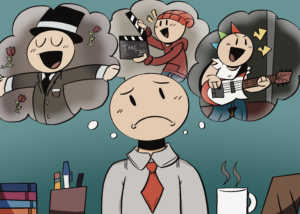
Too often are students told to “get a job that will get you the most money” or “you should be just like so-and-so” or “this career is the only one that’s worth it.” These statements are what causes students to become blinded to all of the opportunities that are available to them –– the opportunities that will make them happy and feel like the work they’re doing is worth something.

While TikTok may start as a harmless distraction, it often evolves into an obstacle getting in the way of productivity. Many students find themselves losing hours to unproductive scrolling, falling into procrastination spirals that eat away at valuable study time.

Sitting 80 years from the reign of concentration camps, some of the most influential people in the world have accepted, forgiven and laughed off a gesture that insulted generations. Hundreds of news publications and thousands of people stated their disbelief, but their opinions were quickly swept under the rug when their reasoning was dubbed “wokeism.”

When it comes to cancer, any risk is too high, especially when that risk is preventable.

Nonchalance is the enemy. It’s birthed out of fear or the assumption that another person might find us “weird” or too talkative. The effects of not opening up out of fear and losing meaningful connections are more harmful than coming off as “too much.”
Nearly 60% of all students experienced some form of depression, anxiety or stress in the 2020-21 school year which has doubled since 2013. Against the growing challenges of student life, one of the most essential steps is making space in your schedule for healthy habits.

America stands at a crossroads. Political divisions run deeper than ever, fracturing not just our ideologies but our relationships and communities. Yet, there are signs that a more peaceful transition and a renewed commitment to democracy might be within reach. The real question is: Can we overcome our differences and build a path forward, or have we passed the point of no return?