By Aarah Sardesai | Intern
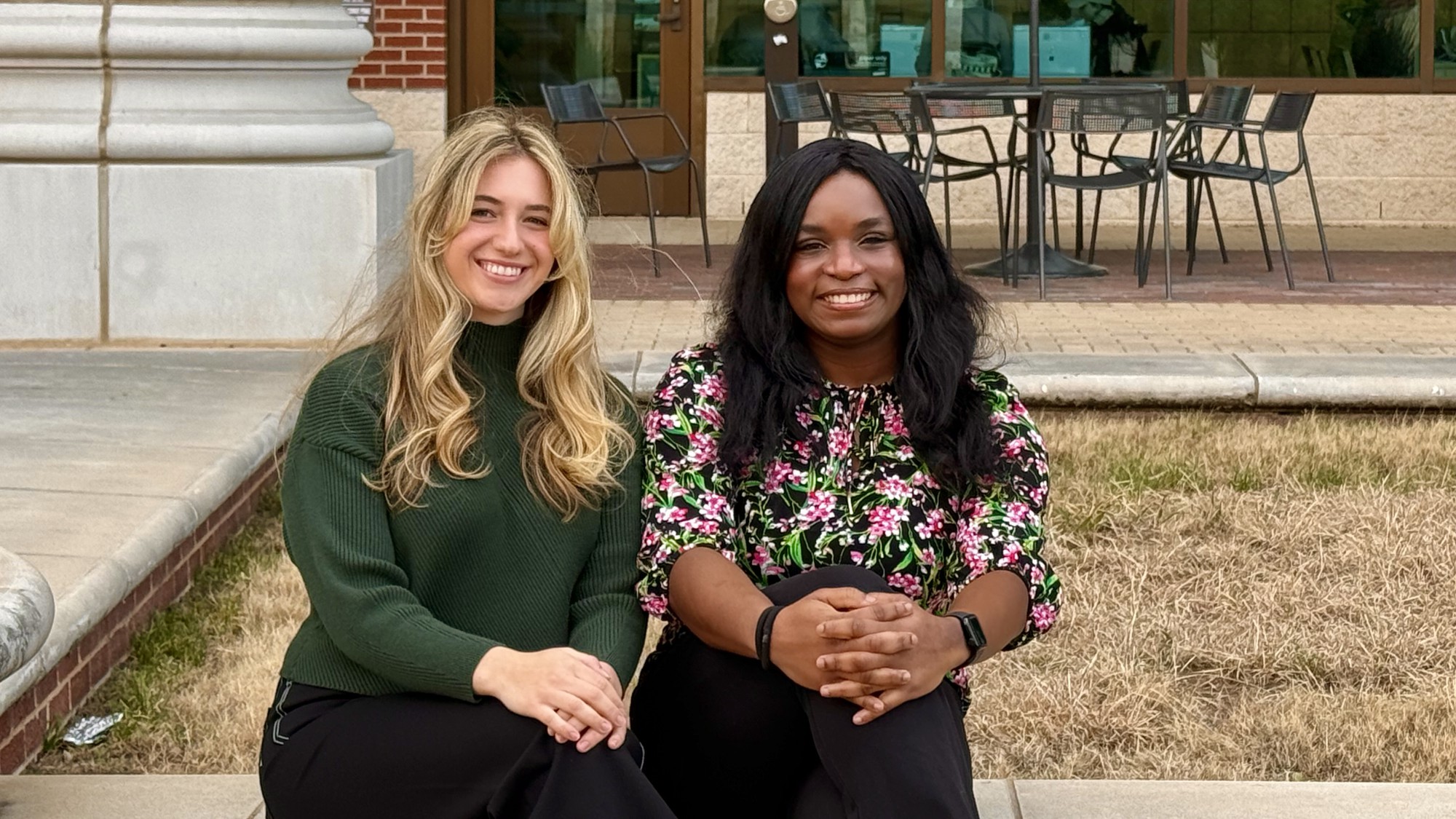
When many students seek leadership opportunities in healthcare or advocacy, they’re often restricted to entry-level internships or administrative roles. But one Baylor student is changing that narrative by putting the power of change directly into her peers’ hands.
The Rare Neurological Disorder Foundation will launch its inaugural Founding Cohort Fellowship this month, a selective fellowship designed to restructure the organization into a national powerhouse for rare disease advocacy by 2027.
The foundation’s roots trace back to high school, when founder and Houston senior Greatness Adewumi started a project to raise awareness for Moebius syndrome, a rare condition characterized by facial paralysis. What began as a local awareness initiative evolved into a mission to empower the next generation of health leaders.
Rare neurological disorders often receive less research funding, public awareness and policy attention, making student advocacy particularly impactful.
“RNDF is about connecting students to lead in spaces of advocacy, global health and equity,” Adewumi said. “Students want to support these causes, but they often lack the resources to lead. We created this because students who want to work in these fields often don’t know where to start, as most established organizations are run by experienced professionals, which can make it difficult for students to step into meaningful roles.”
While many student initiatives opt for a traditional club structure, RNDF chose a fellowship model to maximize its reach. By moving beyond the borders of a single campus, the fellowship aims to create a national network involving other universities, hospitals and advocacy groups. RNDF’s competitive fellowship model ensures that while leadership roles are selective, advocacy and educational opportunities remain open to all students.
The founding cohort consists of 15 students invited to serve as architects for the organization’s future. This group will spend the next year refining bylaws, rebranding the foundation and developing the initiatives that will officially launch to the public in 2027.
“A club would be limited to Baylor,” Adewumi said. “As a fellowship, we can make a national impact.”
One of RNDF’s most striking features is its broad appeal across academic disciplines. While neuroscience and psychology are natural fits, the foundation has gained significant traction within the Baylor Honors College, the Robbins College of Health and Human Sciences and even the Baylor Law School.
The interest list already exceeds 80 students, representing all walks of life. This interdisciplinary approach is intentional, seeking to bring together students interested in ethics, communication and law to solve the complex challenges faced by those with rare disorders.
While RNDF prioritizes rare neurological disorders, members recognize that many challenges faced in rare disease advocacy are shared across the broader neurological community. Temecula, Calif., junior Mary Riley Cachat said the program seeks to encompass many disciplines.
“We don’t want to restrict this to just one field,” Cachat said. “Making it interdisciplinary allows people to contribute their unique skills, whether that’s in law, ethics or child and family studies, to a cause that needs diverse perspectives.”
The 2026 year serves as a redevelopment phase, during which the founding cohort will collaborate on organizational structure, leadership development and programs that will launch in 2027. Fellows will participate in collaborative, discussion-based sessions to learn about the inner workings of nonprofit management, leadership and the realities of conditions like Moebius syndrome.
Beyond structural development, the foundation encourages students to develop an empathetic understanding of the lived experiences of those affected by rare neurological conditions, Adewumi said. For students looking to work in healthcare or law, the fellowship gives a deep dive into the patient experience, growing the empathy and compassion needed to advocate for marginalized populations.
As the founding cohort begins its work this month, their first tasks will include campus speaking engagements with campus organizations, outreach to other universities and building relationships with academic and community partners.
While the fellowship cohort is now set, other students may join the national interest list to receive updates as RNDF prepares for its 2027 relaunch. General fellowship updates and organizational announcements are also shared through RNDF’s Instagram page. Students can email questions to rndf.foundation@gmail.com.